

There are weeknight dinners, and then there are weeknight dinners that make you feel like you have actually got your life together. This Southwest chicken and quinoa skillet is the second kind. It is the one I make when I want something warm, smoky and properly filling, but I do not want to wash three pans and a colander afterwards. Everything goes into one large skillet: spiced chicken, fluffy quinoa, black beans, sweetcorn, peppers and tomatoes, all simmering together until the quinoa has soaked up every bit of flavour in the pan. It takes about forty minutes from start to finish, and most of that time the pan is just sitting there on a low heat, quietly doing the work while you get on with something else.
I came to quinoa the way most people do, which is to say I bought a bag of it because someone told me it was healthy, cooked it badly the first time, and then ignored it in the cupboard for months. My first attempt was a sad, watery pile that tasted like nothing and had the texture of wet sand. It took me a while to realise that quinoa is not rice, and it does not want to be treated like rice. It needs less water than you think, it needs to be rinsed properly, and it needs to rest after cooking so the grains can firm up and go fluffy instead of soggy. Once I learned those three things, quinoa went from a health-food chore to a genuine weeknight favourite. It has a gentle, nutty flavour, it cooks in fifteen minutes, and it is one of those rare ingredients that is both a proper source of protein and genuinely satisfying to eat. The science backs that up too: quinoa is a complete protein, which means it contains all nine essential amino acids, and the health benefits of quinoa are well documented, from its fibre content to its magnesium and iron. That is not why I cook with it, though. I cook with it because it tastes good and it makes dinner easy.
The Southwest flavours are what turn this from a sensible grain bowl into a dinner people actually look forward to. Cumin, smoked paprika and a little chili powder give the chicken a warm, smoky crust. The peppers and onions soften in the pan and go sweet. The black beans add a creamy, earthy richness, and the sweetcorn pops with sweetness against the spice. A squeeze of lime at the end wakes the whole thing up, and a handful of fresh cilantro and crumbled cheese on top makes it look like something you meant to cook, rather than something you threw together on a Tuesday. If you like this flavour profile, my Chipotle Lime Chicken Tacos with Mango Slaw use the same smoky-spicy seasoning on chicken, just in taco form, and they are a great companion recipe for a Southwest-themed week.
Why This Skillet Works
The secret to this dish is that the quinoa cooks in the same pan as everything else, in chicken broth enriched by the browned chicken and the sauteed vegetables. Quinoa on its own, cooked in plain water, is perfectly fine. Quinoa cooked in a pan where chicken has just been seared, with garlic, onion, peppers and spices, is a different thing entirely. The grains absorb all of that savoury liquid as they cook, and the starch they release thickens what is left in the pan into a light, glossy sauce that coats everything. It is the same principle as cooking rice in a flavourful broth, and it is the reason one-pan dinners so often taste richer than the sum of their parts. Nothing is wasted. Every bit of flavour that leaves the chicken goes straight into the grain.
The other reason this works is the structure of the cooking. The chicken gets seared first, hard and fast, so it develops a golden crust and leaves browned bits all over the bottom of the pan. Then the aromatics go in, the quinoa and beans and liquid follow, and the chicken goes back on top to finish cooking gently in the steam. That means the chicken stays juicy, because it is never blasted with high heat for longer than it needs, and the quinoa cooks evenly underneath it, in a covered pan, at a low simmer. It is a forgiving method. The pan does most of the work, and the lid does the rest. If you have made my One-Pan Huevos Rancheros Skillet you will recognise the rhythm: sear, build, cover, wait, eat. It is the same calm sequence, and once you have it in your hands, you can build a dozen different one-pan dinners from it.
Quinoa also brings something practical to the table that rice does not, and that is speed. White rice needs eighteen to twenty minutes of covered cooking and a careful hand with the water. Quinoa is done in fifteen, and it is far more tolerant of being left alone. It does not clump the way rice does, and it does not go starchy and heavy if you leave it sitting for five extra minutes. That makes it a much better choice for a one-pan dinner, where the grain is sharing space with chicken, beans and vegetables and you cannot babysit it the way you can a separate pot. You set the timer, you walk away, and when you come back, dinner is ready.
Ingredients
- 1 1/2 pounds boneless, skinless chicken thighs (about 6 thighs), or 4 chicken breasts
- 1 teaspoon ground cumin
- 1 teaspoon smoked paprika
- 1 teaspoon chili powder
- 1/2 teaspoon garlic powder
- 1/2 teaspoon onion powder
- 1 tablespoon olive oil
- 1 medium yellow onion, diced
- 1 red bell pepper, diced
- 1 green bell pepper, diced
- 3 garlic cloves, minced
- 1 can (14.5 ounces) diced tomatoes, with their juices
- 1 cup quinoa, rinsed well
- 1 3/4 cups low-sodium chicken broth
- 1 can (15 ounces) black beans, drained and rinsed
- 1 cup frozen sweetcorn
- 1 teaspoon ground cumin, extra, for the quinoa (optional, but worth it)
- Salt and black pepper, to taste
For serving:
- Juice of 1 lime
- 1/2 cup shredded Monterey Jack or cheddar cheese
- 1/4 cup chopped fresh cilantro
- Sliced avocado or guacamole
- Sour cream or Mexican crema
- Lime wedges and hot sauce, to pass at the table
I use chicken thighs here, and I would encourage you to do the same if you can. Thighs are more forgiving than breasts in a one-pan dish, because they stay juicy even if the quinoa needs a few extra minutes, and their slightly richer flavour stands up better to the smoky spices. If you only have breasts, they will work perfectly well, just pound them to an even thickness first so they cook at the same rate, and take care not to overcook them during the searing stage. The seasoning is a simple Southwest blend: cumin, smoked paprika, chili powder, garlic powder and onion powder. Smoked paprika is the important one. Sweet paprika will do in a pinch, but the smoked kind is what gives the chicken that campfire warmth, and it is worth buying a tin of it if you do not already own one. It shows up in half my cooking now.
Rinsing the quinoa is the one step you must not skip. Quinoa has a natural coating called saponin, which tastes bitter and soapy if it is not washed off. Most quinoa sold today is pre-rinsed, but a quick rinse under cold water is still worth doing, because it is the difference between quinoa that tastes clean and nutty and quinoa that tastes faintly bitter. Put the quinoa in a fine-mesh sieve, run cold water over it for thirty seconds, and shake it dry. That is all it takes. Use white quinoa for this recipe, not red or black, because white quinoa cooks the fastest and has the mildest flavour, which lets the Southwest seasonings shine through. Red and black quinoa stay crunchier and take a little longer, and they can overpower the dish with their earthier taste.
How to Make One-Pan Southwest Chicken and Quinoa
Start by seasoning the chicken. Mix the cumin, smoked paprika, chili powder, garlic powder and onion powder with a good pinch of salt and black pepper in a small bowl, and rub the mixture all over the chicken thighs, on both sides. Be generous with it. The spices are not just a coating, they are the flavour base for the whole pan, and some of them will end up seasoning the quinoa too, which is exactly what you want. While the chicken sits for a few minutes, rinse the quinoa, dice the onion and peppers, mince the garlic, and open the cans. Having everything ready before the pan gets hot keeps the cooking relaxed, and it matters in a recipe where the timing of the grain is important.
Heat the olive oil in a large, deep skillet with a tight-fitting lid over medium-high heat. When the oil shimmers, lay the chicken thighs in the pan in a single layer and sear them for four to five minutes on the first side, without moving them. You want a deep golden-brown crust, and that only happens if you leave them alone. Flip them and sear for three to four minutes on the second side. They will not be cooked through yet, and that is exactly right. They will finish cooking gently in the quinoa, which keeps them juicy. Remove the chicken to a plate and set it aside.
Reduce the heat to medium and add the diced onion and both peppers to the same pan. Cook them for four to five minutes, stirring often, until the onion softens and the peppers start to go tender at the edges. Add the garlic and cook for thirty seconds more, until it smells fragrant. Do not let it brown. Scrape up the browned bits from the bottom of the pan as you stir, because those bits are flavour, and they are about to become part of the cooking liquid for the quinoa.
Pour in the diced tomatoes with their juices, then add the rinsed quinoa, the chicken broth, and the extra teaspoon of cumin. Stir everything together and bring it to a gentle simmer. Taste the liquid and adjust the salt, remembering that the beans and the cheese will add salt later, so be a little restrained here. Stir in the black beans and the sweetcorn, then nestle the seared chicken thighs back into the pan, on top of the quinoa mixture, so they are partly submerged. Reduce the heat to low, cover the pan with the lid, and cook for fifteen to eighteen minutes. Do not lift the lid during this time. The steam trapped inside is what cooks the quinoa, and every peek lets that steam escape.
After fifteen minutes, lift the lid and check the quinoa. The grains should be tender and translucent, with a little white spiral visible on each one, and the liquid should be mostly absorbed, with just a little moisture left at the bottom of the pan. If the quinoa is still firm, add a quarter of a cup of hot broth or water, replace the lid, and cook for three to five minutes more. Check the chicken with a thermometer: it should read 74 degrees C (165 degrees F) at its thickest part. The USDA safe temperature chart is a helpful reference if you cook chicken regularly and want to be sure. Once the quinoa is tender and the chicken is cooked, take the pan off the heat and let it sit, covered, for five minutes. This rest is important. It lets the quinoa finish absorbing the last of the liquid and firm up into fluffy, separate grains.
Squeeze the lime juice over the top, sprinkle over the shredded cheese, and scatter the chopped cilantro. The residual heat will melt the cheese just enough to go soft and creamy without turning into a solid blanket. Serve straight from the pan, family-style, with avocado, sour cream and hot sauce on the table so everyone can finish their own plate the way they like it.
Tips for Fluffy Quinoa and Juicy Chicken
The most important tip is the liquid ratio, and it is simpler than people expect. One cup of quinoa to one and three-quarter cups of broth is the right ratio for a one-pan dish like this, because the tomatoes add extra liquid too. That is slightly less than the two cups of water per cup of quinoa that most packets recommend, and the reason is that the quinoa is cooking in a covered pan with tomatoes and vegetables, all of which release liquid as they cook. If you add the full two cups, the quinoa will be wet and heavy. If you add too little, it will be crunchy. The ratio in this recipe is tested, so trust it, and only adjust it if your pan is very wide, in which case a little more liquid may evaporate, and a splash of hot broth at the fifteen-minute mark will fix it.
The second tip is about the lid, and it is the same advice I give for every grain cooked in a pan. Leave the lid on. It is tempting to peek, especially the first time you make a new recipe, but every peek lets out steam and drops the temperature, and the quinoa takes longer and cooks less evenly. Set a timer for fifteen minutes and walk away. A heavy lid that fits well helps enormously here. If your lid is loose, you can lay a sheet of foil over the pan first and then put the lid on top, which seals the steam in. It is a small trick, but it makes a real difference to how fluffy the quinoa turns out.
The third tip is about resting the dish. Quinoa needs five minutes off the heat, covered, after it finishes cooking. This is when the grains firm up, the little white spirals unfurl, and the texture goes from slightly wet to properly fluffy. If you serve it straight off the heat, it will look damp and taste a little heavy. Five minutes of patience fixes that completely. Use those five minutes to set the table, slice the avocado, and put the sour cream and hot sauce out. By the time you sit down, the quinoa will be perfect.
The fourth tip is about the chicken. Searing it first and finishing it in the quinoa is what keeps it juicy, but it only works if you do not overcook it at the searing stage. Four to five minutes on the first side and three to four on the second is enough. If your thighs are very thick, you can flatten them slightly with the heel of your hand before seasoning, but do not pound them flat the way you would a breast. Thighs are forgiving, and that is their charm. And always check the temperature with a thermometer rather than cutting into the chicken to look. Cutting it open lets the juices run out, and a thermometer tells you the truth in two seconds.
Easy Variations
This recipe adapts easily to whatever you have in the kitchen. For a vegetarian version, leave the chicken out, use vegetable broth instead of chicken broth, and add a second can of black beans plus a can of chickpeas. The quinoa and beans together give you a complete protein, and the dish is still filling and satisfying without the meat. For a spicier version, stir a finely diced jalapeño into the pan with the onion and peppers, or add half a teaspoon of chipotle powder to the spice rub. The chipotle adds a smoky heat that suits this dish perfectly, and it is my favourite way to turn the heat up a notch without changing anything else.
You can change the vegetables to change the mood of the dish. Diced courgette or zucchini, added with the peppers, cooks in the same time and adds a mild, fresh sweetness. A cup of diced sweet potato, added with the quinoa, needs the full cooking time but turns soft and sweet and goes beautifully with the cumin and paprika. A handful of spinach, stirred through the hot quinoa at the end, wilts in seconds and adds freshness and colour. And if you have leftover roast chicken, you can skip the searing entirely: stir shredded cooked chicken into the quinoa for the last five minutes of cooking, just to heat it through, and finish with the lime and cheese as usual.
The cheese is easy to play with too. Monterey Jack melts beautifully and has a mild flavour that lets the spices speak. A sharp cheddar makes the dish richer and a little more comfort-food. A little crumbled feta on top at the end, instead of melted cheese, gives you a salty, tangy contrast that works wonderfully with the lime. And if you want to lean into the Southwest flavours even further, a spoonful of pickled jalapeños on top, or a drizzle of chipotle crema made from sour cream and a little adobo sauce, will make the whole dish feel like something from a good Mexican restaurant. A very similar smoky chicken, served in a different form, shows up in my One-Pan Shrimp and Chorizo Paella-Style Rice, where the same one-pan technique builds a Spanish-inspired dinner instead of a Southwest one.
What to Serve With It
This skillet is a complete meal on its own, but a few things on the side make the table feel generous. The first thing I reach for is something cool and creamy to balance the warmth of the spices. A bowl of guacamole, or just sliced avocado with a pinch of salt and a squeeze of lime, is the classic partner, and it works because the richness of the avocado softens the heat of the chili powder. Sour cream or Mexican crema does the same job, and a dollop on top of each serving is all you need. If you want something with a little more crunch, a simple shredded cabbage slaw with lime juice and a pinch of salt is a wonderful contrast to the soft, savoury quinoa.
A warm side dish is worth considering too, especially if you are feeding a crowd. A pot of Cilantro Lime Rice with Black Beans might sound like a lot of starch next to a quinoa dish, but it actually works beautifully, because the rice is light and citrusy and the quinoa is smoky and rich, and people help themselves to a little of both. Tortilla chips and salsa on the table before dinner keep everyone happy while the pan finishes, and they mean nobody is standing around the kitchen getting hungry, which is a small thing but it changes the whole mood of the evening.
For a bigger spread, this skillet sits happily next to other Southwest favourites. A tray of tacos, a bowl of elote-style sweetcorn, or a plate of quesadillas will turn it into a proper feast. The flavours all speak the same language, so the table feels coherent rather than random, and you can mix and match the dishes depending on who is coming. I have served this skillet at a casual dinner party with a big salad and a jug of limeade, and at a family supper with nothing but the pan and a stack of bowls, and both worked. It is that kind of dish.
Serving Ideas
This skillet is a natural fit for a casual dinner party, because it is one of those rare dishes that feels impressive without being fussy. I set the pan in the middle of the table on a folded tea towel, put a big serving spoon in it, and let everyone help themselves. The toppings go in small bowls around the pan: shredded cheese, chopped cilantro, sliced avocado, sour cream, lime wedges and hot sauce. People build their own plates, they go back for seconds, and the pan stays warm while everyone eats. It takes all the pressure off getting every plate exactly right, and it makes the meal feel like an occasion rather than just a weeknight dinner.
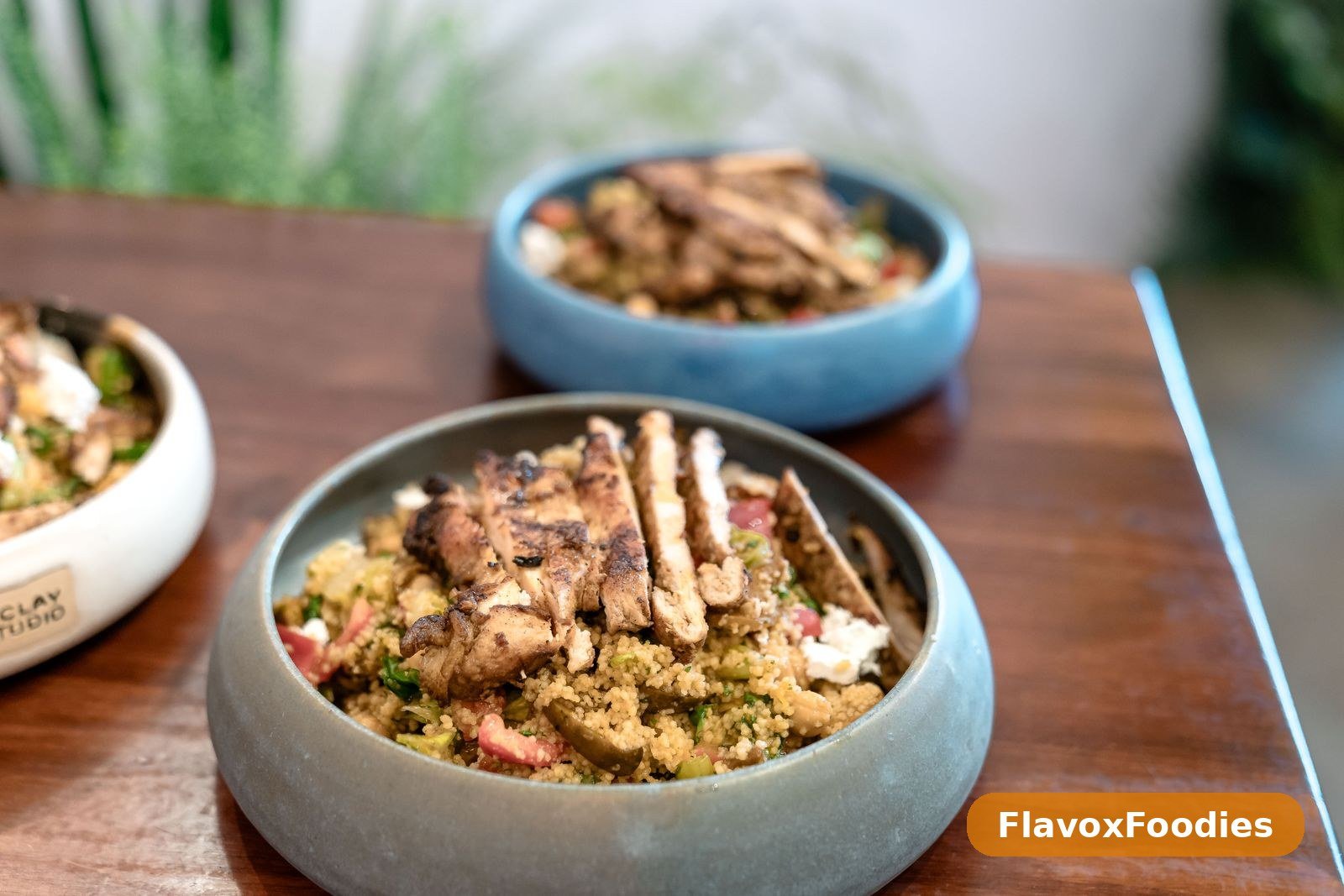
For a weeknight, it is even simpler. The pan, a stack of bowls, and the toppings on the table is all you need. I like to serve it in wide, shallow bowls rather than plates, because the quinoa sits better in a bowl and the toppings stay where you put them. For children, leave the hot sauce off the table and serve the chicken sliced, so it is easy to eat, and let them pick their own toppings. The sweetcorn and beans are usually the bits they go for first, and the cheese on top does a lot of the persuading.
If you are cooking for a smaller household, this recipe is still worth making in full, because the leftovers are excellent. The quinoa keeps its texture far better than rice does, and it reheats without going mushy, which makes it one of the best make-ahead dinners I know. Make it on a Sunday, eat it for dinner, and pack the rest into containers for two more lunches during the week. A container of this in the fridge has saved more busy weekday lunches in my house than I can count, and it is far better than a sandwich eaten standing up at the kitchen counter.
Storing and Reheating
Leftover Southwest chicken and quinoa keeps well in the refrigerator for up to four days, stored in an airtight container. It is one of those dishes that many people think tastes even better the next day, because the flavours have had time to settle together and the spices mellow into the quinoa. To reheat, put a portion in a skillet over medium-low heat with a splash of chicken broth or water, about two tablespoons per serving, and warm it gently, stirring often, until it is heated through. The added liquid loosens the quinoa, which thickens as it sits, and stops it drying out. A fresh squeeze of lime and a sprinkle of cheese on top makes it taste freshly made.
The microwave also works for this dish. Use half power, cover the container loosely, and stir halfway through so it heats evenly. For freezing, this dish freezes well for up to three months, which makes it a good candidate for batch cooking. Freeze it in individual portions, in airtight containers, and thaw overnight in the refrigerator before reheating. The quinoa may be a little softer after freezing, but the flavour will still be good. If you are planning to freeze it, slightly undercook the quinoa by two minutes, so it does not go mushy when you reheat it. The chicken freezes well too, especially thighs, which stay juicier after freezing than breasts do.
The toppings should be stored separately, because avocado browns quickly and sour cream does not freeze well. Keep the lime wedges, cilantro and cheese in their own containers, and add them fresh when you serve the leftovers. A fresh squeeze of lime on reheated quinoa makes an enormous difference, and it is the one thing I would never skip. It wakes the whole dish up and makes it taste like it was made that day, even if it has been in the fridge for three days.
Frequently Asked Questions
Why is my quinoa mushy or crunchy?
Quinoa usually turns mushy because there was too much liquid, the heat was too low and the grain sat in water for too long, or the lid was lifted repeatedly and the cooking time stretched out. It usually turns crunchy because there was too little liquid, the heat was too high and the liquid evaporated before the quinoa cooked, or the lid did not fit tightly and the steam escaped. Use the ratio in this recipe, one cup of quinoa to one and three-quarter cups of broth plus the tomatoes, keep the heat low and steady, keep the lid on, and check at fifteen minutes. If it is not quite done, add a splash of hot broth and cook for a few minutes more. That fixes most quinoa problems. And always let it rest for five minutes off the heat before you serve it, because that is when the grains firm up and go fluffy.
Do I need to rinse quinoa before cooking it?
Yes, and it takes thirty seconds. Quinoa has a natural coating called saponin, which tastes bitter and soapy if it is not washed off. Most quinoa sold today is labelled pre-rinsed, but a quick rinse under cold water in a fine-mesh sieve is still worth doing, because it guarantees a clean, nutty flavour. If you have ever cooked quinoa and found it tasted faintly bitter or odd, unrinsed saponin is almost certainly the reason. Put the quinoa in a fine sieve, run cold water over it for thirty seconds, shake it dry, and you are done. It is the smallest step in the recipe and one of the most important.
Can I use chicken breasts instead of thighs?
Yes, and they will work well, with two small adjustments. First, pound the breasts to an even thickness, about three-quarters of an inch, before you season them, so they cook at the same rate. Second, sear them a little less aggressively, three to four minutes on the first side and two to three on the second, because breasts dry out faster than thighs and they will finish cooking in the quinoa. Check them with a thermometer and take the pan off the heat as soon as they reach 74 degrees C (165 degrees F). If you are worried about dryness, thighs are the safer choice, because they stay juicy even if the quinoa needs a few extra minutes, and they are more forgiving overall.
Can I make this in the oven instead of on the hob?
Yes. Sear the chicken in an oven-safe skillet, cook the onion, peppers and garlic, add the tomatoes, quinoa, broth, beans and sweetcorn, return the chicken to the pan, and then cover the skillet tightly with foil or a lid and bake at 190 degrees C (375 degrees F) for twenty-five to thirty minutes, until the quinoa is tender and the chicken reaches 74 degrees C (165 degrees F). Then take it out, let it rest covered for five minutes, and finish with the lime, cheese and cilantro. The oven method is useful if you are cooking a large batch, because the heat is more even than a stovetop, and it is a good choice if your hob runs hot or your lid does not fit well.
How long does leftover chicken and quinoa last?
It keeps safely in the refrigerator for up to four days, in an airtight container, and it freezes well for up to three months. Reheat it gently in a skillet with a splash of broth or water, or in the microwave at half power, stirring halfway through. Always reheat it until it is steaming hot all the way through, and do not reheat it more than once. If you are unsure whether leftovers are still good, trust your senses. If it smells off or looks unusual, it is better to throw it away than to risk it. A fresh squeeze of lime and a little extra cheese will make reheated quinoa taste almost as good as it did on the first day.