
There is a sound a chimichanga makes when you cut into it properly, and once you have heard it, you will understand why this dish has survived every food trend of the last forty years. It is a shattering kind of crunch, the sort that makes everyone at the table look up from their plates. For years I assumed that sound only came out of a restaurant deep fryer, the kind of equipment no home cook keeps around, so chimichangas stayed firmly in the “order it, don’t make it” column of my brain. Then I tried them in the air fryer on a whim one Friday night, mostly because I had leftover chicken and a pack of tortillas going stale, and the whole column collapsed. The crunch was there. The cheese was melted. The kitchen did not smell like a fast food joint for the rest of the evening. I have been making them this way ever since.
What makes a chimichanga different from a burrito is really just that one step at the end. A burrito is soft and folded; a chimichanga is a burrito that went for a swim in hot oil and came out golden and crackly. The air fryer gives you that same transformation with a light brush of oil instead of a pot full of it, and honestly, I think the result is better. The tortilla crisps up evenly instead of soaking up grease, the filling stays juicy inside, and you can actually taste the chicken and the salsa instead of just tasting fried. My kids call these “crunchy burritos” and request them by name, which is about the highest honour a weeknight dinner can get in this house.
The salsa roja is what ties the whole thing together. Roja just means red, and this is the smooth, smoky tomato sauce you will recognise from a hundred Mexican restaurants, the one they spoon over the top of the plate so it soaks into the edges of the tortilla. You can absolutely use a good jarred salsa here and dinner will still be delicious, I do it myself on busy nights, but the homemade version takes about ten minutes in a blender and it tastes like something else entirely. Roasted tomatoes, a little onion, garlic, a chipotle for smoke, and lime. That is the whole list. Spooned warm over a crispy chimichanga with a little sour cream and some crumbled cheese, it is the kind of dinner that makes an ordinary Tuesday feel like a small celebration.
Why These Chimichangas Work
The first thing to understand about a chimichanga is that the filling has to be fairly dry. That sounds backwards, because nobody wants dry chicken, but there is a difference between juicy and wet. If the filling is swimming in sauce, the tortilla steams from the inside while the outside is trying to crisp, and you end up with a soggy roll that falls apart when you pick it up. So the chicken gets simmered in salsa and spices until the liquid has mostly cooked down into a thick, clingy coating, and then it gets a few minutes to cool before it ever meets a tortilla. That one pause makes all the difference between a chimichanga that holds its shape and one that unravels on the plate.
The second thing is the tortilla itself. Flour tortillas are non-negotiable here, because corn tortillas crack when you fold them, no matter how gently you treat them. And the tortillas need to be warm and flexible before you roll, which is the step most people skip and then regret. Fifteen seconds in the microwave under a damp paper towel, or a quick pass over a dry skillet, and a stiff tortilla turns into something you can fold without a single tear. I warm them one at a time while I am assembling, and it takes maybe three extra minutes total. It is the cheapest insurance in the whole recipe.
The air fryer does the rest, and it does it fast. A light brush of oil on the outside of each roll, seam side down in the basket, and eight to ten minutes at a high temperature is all it takes. The hot air circulates around the tortilla and crisps it from every side at once, which is something a skillet cannot do and an oven does unevenly. The cheese inside melts, the edges seal themselves shut, and the outside turns the colour of toasted bread. You flip them once halfway through, and that is the entire technique. If you have ever been nervous about frying, this version will make you feel like a genius.
Ingredients
- 2 cups cooked shredded chicken (rotisserie chicken works beautifully here)
- 1 tablespoon olive oil
- 1 small yellow onion, finely diced
- 2 garlic cloves, minced
- 1 teaspoon ground cumin
- 1 teaspoon chili powder
- 1/2 teaspoon smoked paprika
- 1/2 cup salsa roja, homemade or your favourite jarred red salsa
- 1 can (4 ounces) diced green chiles, drained
- 1 cup shredded Monterey Jack or Mexican blend cheese
- 4 large burrito-size flour tortillas
- 2 tablespoons vegetable oil, for brushing
- Salt and black pepper, to taste
For the salsa roja:
- 4 medium Roma tomatoes, halved
- 1/2 small white onion, quartered
- 2 garlic cloves, peeled
- 1 chipotle in adobo sauce, plus a teaspoon of the sauce
- 1/2 teaspoon ground cumin
- Juice of 1 lime
- 1/4 cup fresh cilantro leaves
- Salt, to taste
For serving:
- Sour cream or Mexican crema
- Crumbled queso fresco or cotija
- Sliced avocado or guacamole
- Chopped cilantro and lime wedges
- Pickled red onions (optional, but wonderful)
The Salsa Roja
If you have ten minutes, make the salsa roja from scratch, because it is the difference between a good chimichanga and a great one. Start by roasting the tomatoes, onion, and garlic. I do this under the broiler on a sheet pan, cut side down, for about eight minutes, until the tomatoes have softened and the edges have caught a little colour. You can also do it in a dry skillet over medium-high heat, turning the tomatoes every couple of minutes until they are blistered and slumped. Either way, you are after that roasted, slightly smoky flavour that raw tomatoes simply do not have.
Tip everything from the pan into a blender, including any juices, and add the chipotle in adobo, the cumin, the lime juice, and the cilantro. Blend until it is smooth, then taste it. It should be bright and smoky with a gentle warmth at the back of your throat, not a sharp heat. If it tastes a little flat, it almost always needs salt first, and a little more lime second. If it is too spicy for your table, a spoonful of the sauce without the chipotle, or half a chipotle instead of a whole one, will tame it without losing the smoky flavour. This sauce keeps in the fridge for five days, and it is honestly good on everything. Eggs, grilled chicken, rice, a spoon straight out of the jar when nobody is watching. I make a double batch most weeks and use it all week.
If you are using jarred salsa instead, pick a smooth restaurant-style red salsa rather than a chunky pico de gallo. Chunky salsa has too much liquid and too many big pieces for a filling, and it will make the tortillas soggy. Pour the jarred salsa into the skillet with the chicken and let it simmer down for a few minutes until it thickens, exactly the way you would with the homemade version. The filling should hold together in a spoon, not slide off it. That is your test.
How to Make Air Fryer Chicken Chimichangas
Start with the filling, because it needs a few minutes to cool before you roll. Heat the olive oil in a large skillet over medium heat, and cook the diced onion for three or four minutes until it is soft and translucent. Stir in the garlic, cumin, chili powder, and smoked paprika, and cook for just thirty seconds more, until the spices smell warm and fragrant. That short bloom in the hot oil wakes the spices up in a way that sprinkling them in cold never does, and it is a small habit worth building into all of your Mexican cooking.
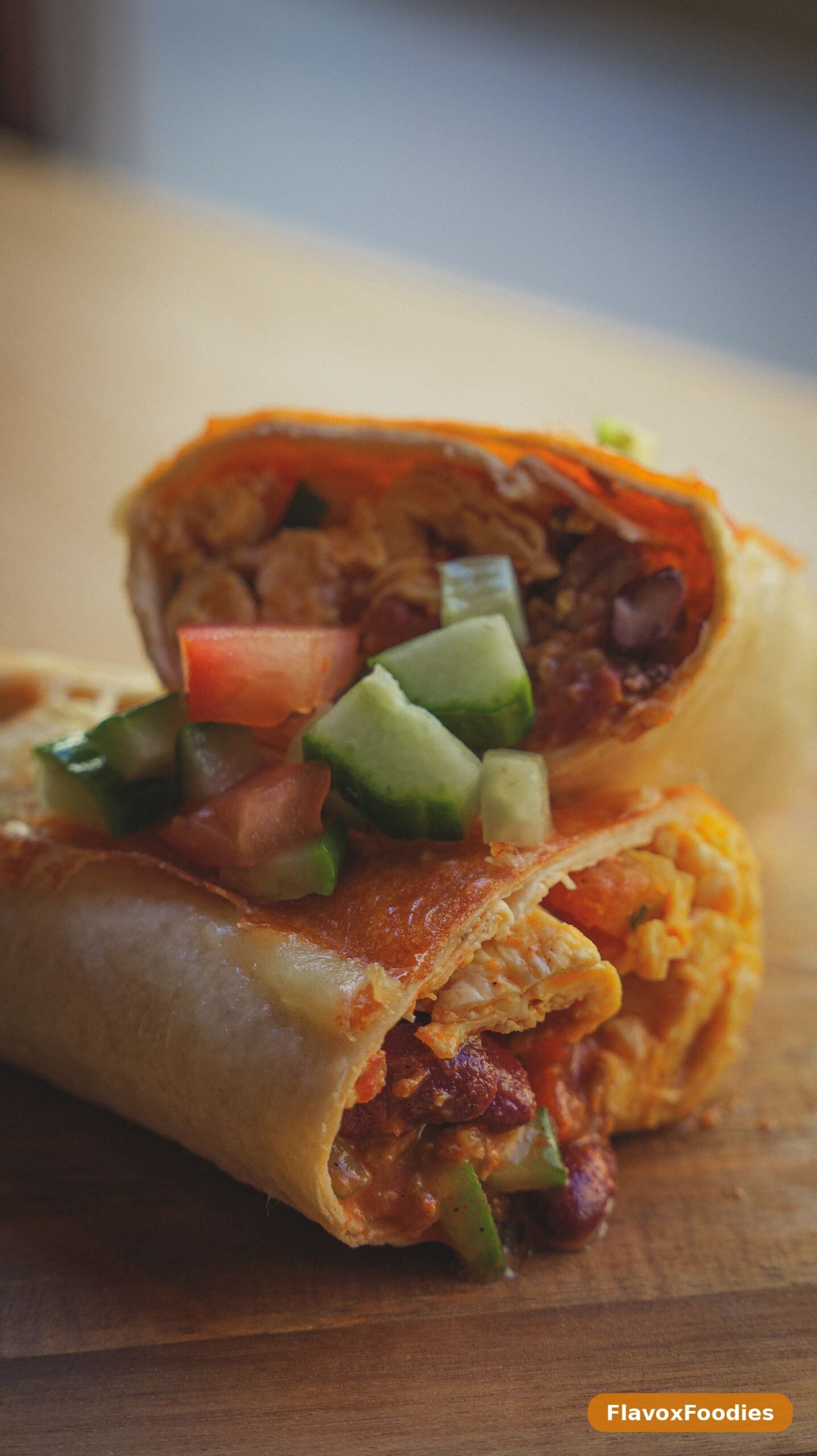
Add the shredded chicken, the salsa roja, and the diced green chiles to the skillet, and stir everything together until the chicken is coated. Let it simmer gently for four or five minutes, stirring now and then, until most of the liquid has cooked down and the mixture looks thick and glossy rather than saucy. Taste it and season with salt and pepper. Then take the pan off the heat and let the filling cool for about five minutes. This is the moment to stir in half of the shredded cheese if you like, though I usually keep the cheese separate so it melts in a distinct layer inside the roll. Either way works, so do whichever sounds better to you.
While the filling cools, warm the tortillas. Stack them on a plate, cover them with a damp paper towel, and microwave for about thirty seconds, until they are soft and bendy. Work with one tortilla at a time and keep the rest covered so they do not stiffen up again. Lay a tortilla flat, spoon about a half cup of filling into a rectangle across the centre, and sprinkle a quarter of the remaining cheese over the top. Fold the two short sides in first, then fold the bottom edge up and over the filling, and roll it away from you into a neat, tight bundle. It should feel snug, not bursting. If the filling is poking out the ends, you have overfilled it, so just scoop a little back out and roll again. No one will know.
Brush each chimichanga lightly all over with vegetable oil, and place them seam side down in the air fryer basket, leaving a little space between them so the hot air can circulate. Do not crowd them. I can fit three in my basket at a time, and I cook the fourth on its own rather than squashing them together, because crowded chimichangas steam instead of crisping and that defeats the whole purpose. Air fry at 400 degrees for eight to ten minutes, flipping them gently halfway through, until they are deep golden brown and audibly crisp. The exact time depends on your air fryer, so start checking at seven minutes. When they come out, let them rest for two minutes before you cut into them. The cheese needs a moment to settle, and the tortilla will be at its crispiest right after that short rest.
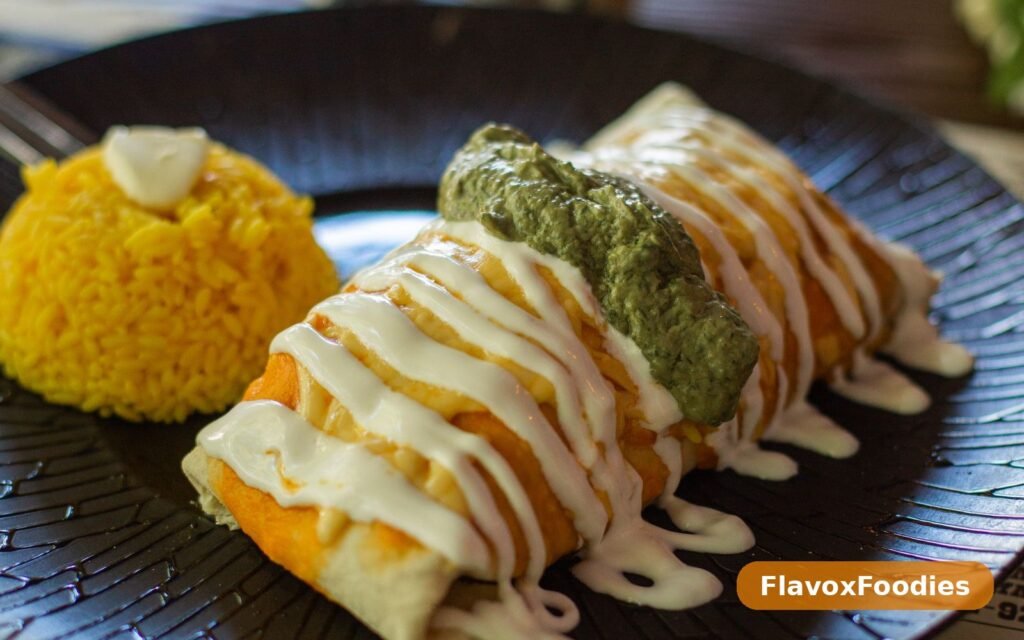
To serve, set each chimichanga on a plate and spoon warm salsa roja generously over the top. Add a dollop of sour cream, a sprinkle of crumbled queso fresco, some chopped cilantro, and a lime wedge on the side. The contrast is the whole point. Hot and crisp underneath, cool and creamy on top, with the smoky sauce tying it together. If you are feeding people who like things very saucy, put a little bowl of extra salsa roja on the table and let them help themselves.
Tips for the Crispiest Chimichangas
The single biggest mistake with chimichangas is a wet filling, and I have already said it once, but it is worth saying again because it is the mistake I made the first three times I tried this recipe. Simmer the filling until it is thick. If you drag a spoon through the pan and the liquid does not rush back in to fill the gap, it is ready. If it is still saucy, give it another two minutes. Patience here is worth more than any gadget.
The second mistake is skipping the oil on the outside. The air fryer needs a little fat to crisp a tortilla properly. A light brush is enough, you do not need to drench it, but a dry tortilla in an air fryer comes out pale and leathery instead of golden and shattering. I use a pastry brush and about half a teaspoon per chimichanga. Cooking spray works too, but hold the can a few inches away and give it a quick, even pass, because a heavy spray can pool and make spots that brown too fast.
Do not overfill them. I know it is tempting, because a generously stuffed chimichanga looks impressive, but an overfilled roll bursts in the basket and leaks cheese everywhere, and then you are scraping melted cheese off the air fryer instead of eating dinner. Half a cup of filling per large tortilla is the right amount. If you want a bigger dinner, make a second chimichanga. Your air fryer will thank you.
And one more thing about timing: chimichangas are at their absolute best in the first ten minutes out of the air fryer. The tortilla is at peak crispness and the cheese is still molten. After that they are still delicious, but the steam inside the roll slowly softens the shell. So have the plates ready, the toppings out, and everyone at the table before the last batch comes out of the basket. I learned this the hard way, standing at the counter assembling toppings while the first batch quietly went soft behind me.
Easy Variations
Once you have the method down, chimichangas become a use-up-what-you-have dinner, and that is half their charm. Swap the chicken for shredded beef, pulled pork, or ground turkey cooked with the same spices, and the recipe works exactly the same way. For a vegetarian version, use a can of black beans, rinsed and lightly mashed, with a cup of roasted sweet potato or sauteed peppers and onions, and the same cheese and salsa. My sister makes the bean version every Lent and swears it is better than the chicken one, and I have stopped arguing with her about it.
You can change the cheese to change the mood. Pepper Jack adds a gentle heat that works beautifully with the salsa roja. A sharp cheddar makes the filling richer and a little more comfort-food. A mix of Monterey Jack and a little crumbled cotija inside the roll gives you melt plus a salty bite. And if you want to lean into the green chile flavour, a spoonful of canned green chiles is already in the filling, but you can also swap the red sauce on top for a green salsa verde and serve them that way. Green on a golden chimichanga looks wonderful on the plate.
For a breakfast version, fill the tortillas with scrambled eggs, cooked chorizo or sausage, diced potatoes, and cheese, then air fry them exactly the same way. Serve with salsa roja and sour cream, and you have a weekend breakfast that will ruin plain toast for everyone at the table. I have made these for overnight guests more times than I can count, and they always ask for the recipe before they leave. It is a very good feeling.
If you like heat, this recipe has room for it. Stir a finely diced jalapeño into the filling with the onion, or add an extra chipotle to the salsa roja, or pass a bottle of hot sauce at the table. I usually make the filling mild and let everyone adjust their own plate, because the fastest way to ruin a family dinner is to make it too spicy for one person. The same trick works in reverse: if you are cooking for kids, leave the chipotle out of the salsa entirely and use a mild jarred salsa, and the chimichangas will still be full of flavour. A very similar slow-cooked, salsa-braised chicken shows up in my Air Fryer Chiles Rellenos with Cheese, where the same filling technique does the work inside roasted poblanos instead of a tortilla.
What to Serve With It
Chimichangas are a complete meal on their own, but a few things on the side make the table feel generous. The first thing I reach for is rice. A pot of Mexican rice, or the cilantro lime rice I keep coming back to, soaks up the extra salsa roja on the plate and turns the meal into something properly filling. If I am in a hurry, plain steamed rice with a squeeze of lime and a pinch of salt does the job just fine, and nobody has ever complained about it. A scoop of refried beans or black beans on the side is the other classic, and if you are already making the bean version of the filling, you are halfway there.
A fresh salad is a nice contrast to all that richness. I usually do a simple shredded cabbage slaw with lime juice, a little olive oil, and a pinch of salt, nothing fancy, because the chimichanga already has so much going on. A bowl of guacamole with tortilla chips on the table before dinner keeps everyone happy while the air fryer finishes, and it means nobody is standing around the kitchen getting hungry. That is a small thing, but it changes the whole mood of the evening.
For a bigger spread, chimichangas sit happily next to other Mexican favourites. A tray of Chipotle Lime Chicken Tacos with Mango Slaw gives everyone a second main to choose from, and the mango slaw echoes the bright, tangy flavours in the salsa roja. On nights when I want something lighter alongside, a plate of Air Fryer Mexican Street Corn Fritters is the perfect crispy companion, and the two dishes share the same air fryer, so the cooking stays simple. If you are planning a whole Mexican night, a pan of Baked Chicken Enchiladas turns it into a real feast, with the red sauce on the enchiladas looking gorgeous next to the golden chimichangas.
Serving Ideas
Chimichangas are a natural fit for a casual dinner party, because they are one of those rare dishes that feel impressive without being fussy. I set up a little toppings bar on the table: bowls of sour cream, crumbled queso fresco, diced avocado, chopped cilantro, lime wedges, and pickled red onions, and let everyone dress their own plate. It takes all the pressure off getting every plate exactly right, and people love building their own. Keep a jug of extra warm salsa roja on the table too, because someone will always want more sauce, and it is usually me.
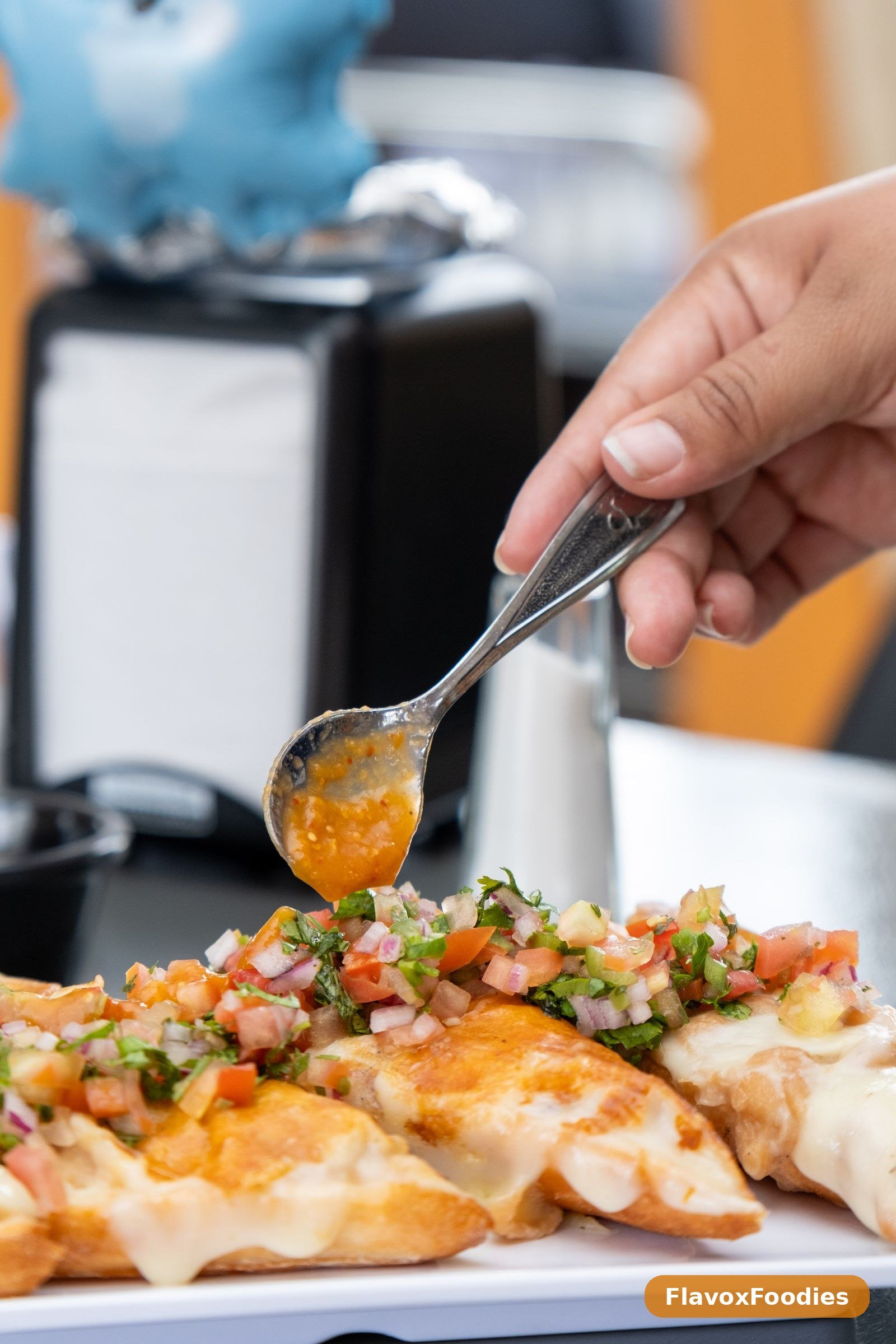
For game day or a family movie night, I make the chimichangas a little smaller using fajita-size tortillas and a scant third of a cup of filling each, so they are easy to hold in one hand. Cut them in half on the diagonal, fan them out on a big platter, and put the toppings in small bowls around the edges. They disappear faster than any snack I have ever served, and they are far more satisfying than a bowl of chips. Just make them in batches and keep the finished ones warm in a low oven, about 200 degrees, on a wire rack so the bottoms stay crisp.
If you are cooking for a smaller household, this recipe is still worth making in full, because chimichangas are one of the best make-ahead freezer meals I know. Assemble them, air fry them until they are just golden but not deeply browned, let them cool completely, and wrap each one tightly in foil, then freeze them in a bag for up to three months. To reheat, unwrap and air fry from frozen at 375 degrees for about ten minutes, and they come out almost as crisp as the day you made them. A bag of these in the freezer has saved more busy weeknights in my house than I can count.
Storing and Reheating
Leftover chimichangas keep in the fridge for three to four days in an airtight container, though the tortilla will soften in the fridge no matter what you do. The good news is that the air fryer brings them right back. Reheat them at 375 degrees for four to five minutes, straight from the fridge, and the shell crisps up again beautifully. The microwave will warm them through, but it will also turn the shell soft and chewy, so I only use it when I am truly in a rush.
The filling on its own keeps even better. Store it in a container in the fridge for up to four days, or freeze it for three months, and you can roll and air fry fresh chimichangas whenever you want them. This is the trick I use when I have leftover rotisserie chicken on a Sunday. I make a double batch of filling, use half for dinner, and freeze the other half in a bag, flattened out so it thaws quickly. A weeknight dinner is then ten minutes away, which on a busy evening feels like a small miracle.
The salsa roja keeps in the fridge for five days in a jar, and it freezes well too, in small containers or even ice cube trays for single servings. I freeze it in half-cup portions, because that is about the right amount for one plate of chimichangas, and it thaws in a few minutes in a small saucepan over low heat. Just give it a stir and a taste before you serve it, because freezing can mute the lime a little, and a fresh squeeze at the end brings it right back.
Frequently Asked Questions
Can I use corn tortillas for chimichangas?
I would not recommend it. Corn tortillas crack and split when you fold them, even when they are warm, and a chimichanga that splits in the air fryer leaks cheese everywhere and falls apart. Flour tortillas are the right choice here because they are flexible enough to roll tightly and strong enough to hold the filling while they crisp. If you need a gluten-free option, look for large gluten-free flour tortillas, which are made to roll the same way, and warm them well before you fold. A good comparison for air fryer technique, including tortilla handling, is the version over at Simply Quinoa, which uses the same roll-and-crisp method with a salsa chicken filling.
Do I have to make the salsa roja from scratch?
No, and I say that as someone who loves the homemade version. A good jarred restaurant-style red salsa works very well here, and on a busy night it is absolutely the right call. The one thing to watch is the liquid. Pour the jarred salsa into the skillet with the chicken and simmer it down for a few minutes until it thickens, exactly as you would with the homemade sauce. You want the filling thick and clingy, not saucy. If you do want to try the classic version for comparison, Taste of Home has a well-tested chicken chimichanga that is a good reference for how the filling should look and taste.
Why did my chimichangas burst open in the air fryer?
This almost always comes down to one of three things: the tortilla was too cold and stiff when you rolled it, the filling was too wet, or you overfilled the roll. Warm your tortillas until they are properly soft and bendy before you fold, simmer the filling until it is thick, and keep it to about half a cup per large tortilla. Place them seam side down in the basket and do not crowd them, because the seam needs contact with the basket to seal itself shut in the first minute of cooking. If a corner does pop open, it is not a disaster. Just press it closed with tongs and keep cooking, and serve that one with the seam on the bottom of the plate.
Can I bake chimichangas in the oven instead of the air fryer?
Yes, and they will still be very good, though not quite as crisp. Brush them with oil the same way, place them seam side down on a wire rack set over a baking sheet, and bake at 425 degrees for fifteen to eighteen minutes, flipping once halfway through. The wire rack matters, because it lets hot air reach the bottom of the roll, and without it the underside stays soft. The oven version takes a little longer and the browning is a little less even, but if you are making a big batch for a crowd, the oven is the practical choice, because you can cook eight at once instead of three.
How do I keep chimichangas crispy for a party?
The trick is a wire rack and a low oven, not a covered dish. A covered dish traps steam and softens the shell in minutes, which is the opposite of what you want. Arrange the finished chimichangas in a single layer on a wire rack set over a baking sheet, and hold them in a 200 degree oven for up to thirty minutes. The gentle heat keeps them warm without cooking them further, and the air circulating underneath keeps the bottoms crisp. Set the toppings out separately and let people dress their own plates, because the salsa and sour cream should go on at the last moment, not sit on top of a hot chimichanga while it waits.