
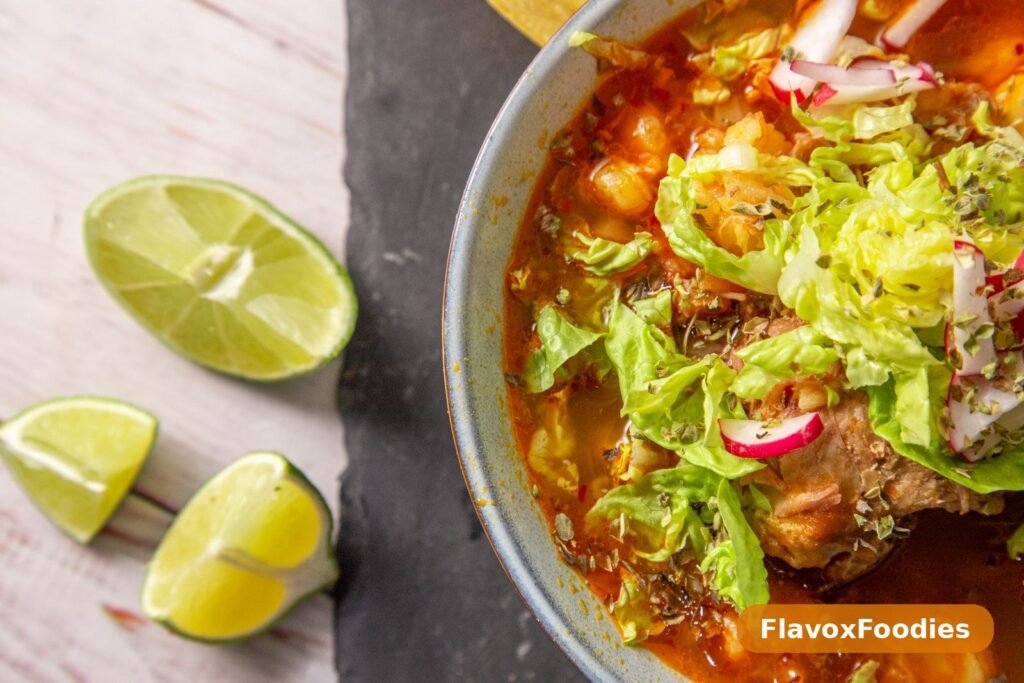

There is a particular kind of cold evening that calls for pozole verde, and I have learned not to argue with it. The light goes early, the kitchen windows fog up, and suddenly all I want is a big pot of something green and steamy on the stove, with a cutting board full of toppings waiting next to it. That is exactly how this chicken pozole verde earned its place in my regular rotation. It started as a recipe I made once, mostly out of curiosity, and it ended up being the soup my family asks for by name whenever the weather turns or someone is feeling a little under the weather.
What I love most about this version is how bright it tastes. Pozole verde gets its colour and its personality from tomatillos, poblanos, and a big handful of cilantro, all blended into a smooth green sauce that goes straight into the pot. It is tangy and herby and just a little bit smoky, which is a completely different mood from the deep red pozole most people know. The chicken simmers right in the broth until it is falling-apart tender, and the hominy soaks up all of that flavour while it cooks. By the time you ladle it into bowls, the whole kitchen smells like a Mexican restaurant, and honestly, that is half the joy of it.
The other half is the toppings. Pozole is one of those dishes where the bowl is only finished when you have piled it high with shredded cabbage, sliced radishes, diced onion, lime wedges, and maybe a little crumbled queso fresco if you have it. Everyone at the table gets to build their own bowl, which means nobody complains, and the kids actually eat their vegetables without noticing because they are too busy squeezing lime over everything. It is a one-pot meal that feeds a crowd, freezes beautifully, and somehow tastes even better the next day. If you have never made pozole at home, this chicken version is the friendliest place to start.
Why This Pozole Verde Works
The secret to a great pozole verde is the green sauce, and the secret to the green sauce is roasting. I roast the tomatillos, poblanos, onion, and garlic on a sheet pan until they are soft and blistered at the edges, and that short trip under the broiler changes everything. Raw tomatillos can taste sharp and almost sour in a way that takes over the whole pot, but roasting mellows them out and brings in a gentle sweetness that balances the tang. The poblanos get smoky and mellow too, and the garlic turns soft and sweet instead of harsh. It takes about fifteen minutes and it is the single step that makes this soup taste like it simmered all day.
Chicken is the right protein for a weeknight pozole, too. I use bone-in, skin-on chicken thighs most of the time because they stay juicy through a long simmer and they give the broth a richness that boneless breasts just cannot match. The bones do real work here, adding body to the broth while the meat gets tender enough to shred with two forks. If you only have breasts on hand, they will work, but pull them out of the pot as soon as they are cooked through so they do not dry out, and let the broth keep simmering without them.
Hominy is the ingredient that makes pozole pozole, and I am a firm believer in the canned kind for a home cook. Dried hominy is wonderful if you have the time and the patience, but canned hominy is already tender, it is consistent, and it means this soup can be on the table in about an hour. Just rinse it well before it goes into the pot, because the liquid in the can is starchy and a little salty, and a quick rinse keeps the broth clear and bright. The hominy puffs up slightly as it simmers and turns into these soft, chewy little kernels that are honestly my favourite part of every spoonful.
The other thing that makes this recipe work is patience at the end, not the beginning. Once the chicken is shredded and back in the pot with the hominy, I let everything simmer together for at least fifteen or twenty minutes. That is when the flavours actually marry. The broth stops tasting like separate ingredients and starts tasting like pozole. Taste it, adjust the salt, squeeze in a little more lime if it needs brightness, and then let everyone loose on the toppings. That final simmer is the difference between a good soup and a great one.
Ingredients
- 2 pounds bone-in, skin-on chicken thighs
- 1 tablespoon olive oil
- 1 teaspoon kosher salt, plus more to taste
- 1/2 teaspoon black pepper
- 1 pound tomatillos, husks removed and rinsed
- 2 poblano peppers, halved and seeded
- 1 medium white onion, quartered
- 5 garlic cloves, peeled
- 1 jalapeño, halved and seeded (leave the seeds in if you like heat)
- 6 cups low-sodium chicken broth
- 2 cans (25 ounces each) white hominy, drained and rinsed
- 1 teaspoon ground cumin
- 1 teaspoon dried Mexican oregano
- 1 bay leaf
- 1 cup fresh cilantro leaves and tender stems, plus more for serving
- 2 tablespoons fresh lime juice, plus lime wedges for serving
- 1/2 cup thinly sliced radishes, for serving
- 2 cups finely shredded green cabbage, for serving
- 1/2 cup finely diced white onion, for serving
- Crumbled queso fresco and tortilla strips, for serving (optional)
How to Make Chicken Pozole Verde
Start by getting the oven ready and the chicken seasoned. Turn the broiler on high and move a rack to the top third of the oven. Pat the chicken thighs dry with paper towels, rub them all over with the olive oil, and season generously with the salt and black pepper. I always pat the chicken dry first because damp skin never browns properly, and even though the skin comes off later, those browned bits add flavour to the broth. Set the chicken aside while you deal with the vegetables.
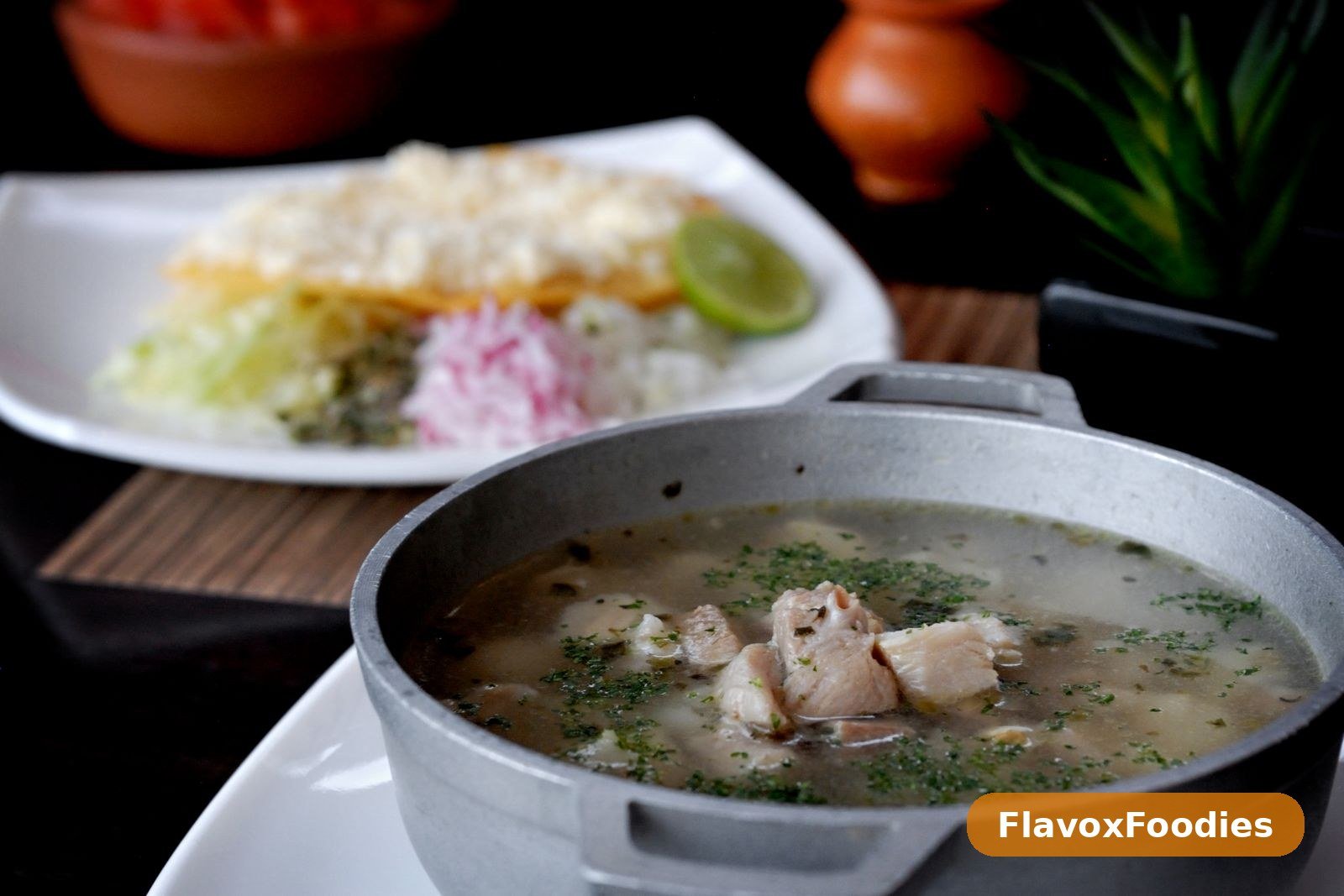
Spread the tomatillos, poblanos, onion quarters, garlic, and jalapeño on a rimmed sheet pan in a single layer, cut sides down where you can manage it. Slide the pan under the broiler and let everything roast for about eight to ten minutes, until the tomatillos have softened and slumped and the peppers have blackened spots on their skins. Keep an eye on the garlic, because it burns faster than everything else, and if it starts getting too dark, just pull it off the pan early. Flip the poblanos once if you remember, but honestly I have forgotten plenty of times and it still turns out fine. Let the pan cool for a few minutes, then peel the loosened skin off the poblanos if it comes away easily, and do not stress about the bits that stick.
Tip everything from the sheet pan into a blender, including any juices that collected on the pan, and add the cup of cilantro, the cumin, and the oregano. Blend until the sauce is completely smooth, which usually takes a good minute on high. It should be a bright, grassy green and pourable, a little thicker than a smoothie. If your blender is struggling, splash in a quarter cup of the chicken broth to get things moving. Give it a taste at this point. It should be tangy and herby with a gentle warmth at the back of your throat. If the tomatillos were particularly sour, a tiny pinch of sugar will round it out, though I rarely need it.
Now grab your biggest pot or Dutch oven and set it over medium-high heat. Pour the green sauce in and let it sizzle for two or three minutes, stirring it around the bottom of the pot. This step matters more than it looks like it should. Cooking the sauce briefly before the broth goes in deepens the flavour and takes the raw edge off the tomatillos and onion. Then pour in the chicken broth, scraping up anything stuck to the bottom of the pot, and add the bay leaf. Nestle the chicken thighs into the pot, skin side up, and bring everything to a gentle boil. As soon as it bubbles, turn the heat down to low, put the lid on slightly ajar, and let it simmer for about thirty minutes, until the chicken is cooked through and tender enough that a fork slides in without any resistance.
Lift the chicken out onto a plate and let it cool just long enough to handle. Pull off the skin and the bones, and shred the meat into bite-size pieces with two forks or your fingers. I like to keep the shreds a little chunky rather than stringy, because they hold up better in the soup. While the chicken is resting, stir the rinsed hominy into the pot and let it simmer on its own for ten minutes so it can start soaking up the broth. Then add the shredded chicken back in along with the lime juice, and simmer everything together for another fifteen minutes. Fish out the bay leaf, taste, and season with more salt until it tastes bright and balanced. Ladle into deep bowls and set out all the toppings so everyone can finish their own bowl.
Tips for the Best Pozole
The single biggest mistake I see people make with pozole verde is skipping the roasting step and just blending everything raw. It will still be soup, but it will taste sharp and one-note, and you will wonder why it does not taste like the pozole you had at a restaurant. Roasting is what gives the sauce its depth, so even if you are in a hurry, do not skip it. A sheet pan under the broiler takes fifteen minutes and it is mostly hands-off time anyway.
Salt in layers, not all at once. The broth, the hominy, and the chicken all bring their own salt to the pot, so if you season aggressively at the start you can easily overshoot. I add a modest amount early, then taste again at the end and adjust. Lime juice works the same way. A squeeze at the end wakes everything up, but too much too early can make the broth taste sour rather than bright. If your finished soup tastes a little flat, it usually needs salt first and lime second, in that order.
Do not rush the final simmer after the chicken goes back in. I know it is tempting to serve it the second the chicken is shredded, but those fifteen minutes are when the hominy finishes absorbing the broth and the whole pot comes together. If you are making this ahead, it is even better the next day, after a night in the fridge. The flavours settle and deepen overnight in a way that is hard to describe until you have tried it. Just reheat it gently and add the toppings fresh.
If you want a thicker, heartier broth, scoop out about a cup of the hominy and broth, blend it until smooth, and stir it back into the pot. It is a trick I use when I want the soup to feel a little more substantial without adding cream or flour, and it works beautifully. For a thinner, more brothy soup, just add an extra cup of chicken broth at the end and let it come back to a simmer. Either way is correct, so make the version you like eating.
One more tip, and this one is about the toppings: do not be shy with them. Pozole is a topping-forward dish, and the crunchy cabbage, the peppery radishes, the sharp raw onion, and the lime are not garnish. They are part of the recipe. The contrast between the hot, rich broth and the cool, crisp toppings is what makes every spoonful interesting. I put everything in little bowls on the table and let people go wild, and I always end up refilling the cabbage bowl at least once.
Easy Variations
If you like your pozole with a bit more heat, leave the seeds in the jalapeño or add a second one, or stir in a spoonful of your favourite green hot sauce at the end. For a smoky version, swap one of the poblanos for a roasted Hatch chile when they are in season, or add half a teaspoon of smoked paprika to the blender. The paprika is not traditional, but it gives the broth a lovely campfire note that works surprisingly well with the tomatillos.
For a pork version, which is the more classic pozole, use about two pounds of boneless pork shoulder cut into large chunks instead of the chicken, and simmer it for an hour and fifteen minutes instead of thirty. Pork shoulder needs the extra time to get tender, but the method is exactly the same, and the result is rich and wonderful. A slow cooker works too: cook the sauce and the meat on low for six hours, add the hominy in the last hour, and shred the meat before serving. I have done it this way on busy days and nobody at the table has ever complained.
Vegetarian friends are not left out either. Swap the chicken for two cans of pinto beans and a couple of diced zucchini, use vegetable broth instead of chicken broth, and simmer just long enough for the zucchini to soften, about twenty minutes. The green sauce is the star anyway, so the soup still tastes like pozole verde. Add a can of drained chickpeas if you want it heartier, and top it with plenty of queso fresco. My sister makes it this way every Lent, and it has converted more than one sceptic.
You can also play with the toppings to make it your own. Thinly sliced avocado, a drizzle of Mexican crema, pickled red onions, or a handful of toasted pepitas all work beautifully. If you want more crunch, crushed tortilla chips or homemade tortilla strips are the way to go. And if you are a fan of green salsa chicken in general, the same roasted tomatillo sauce base works brilliantly in other dishes. A very similar sauce shows up in my Tequila Lime Chicken Skewers with Avocado Crema, where it does the same bright, herby work over grilled chicken.
What to Serve With It
Pozole is a complete meal in a bowl, but a few things on the side make it feel like a proper gathering. Warm corn tortillas are the first thing I reach for, because they are perfect for scooping up the last of the broth and they are how my family has always eaten soup. Flour tortillas work too, but corn is the traditional partner and the flavour just fits better. I warm them directly over a gas burner for a few seconds on each side until they puff and char at the edges, then wrap them in a clean kitchen towel to keep them soft.
A simple side salad is a nice contrast if you want something fresh on the table. I usually do a quick cabbage and carrot slaw with lime juice and a pinch of salt, nothing fancy, because the soup already has so much going on. If I am feeding a crowd and want the table to feel generous, I will also put out a tray of chips and guacamole to snack on while the pozole finishes simmering. That way nobody is standing around the kitchen getting hungry and impatient, and the whole evening feels relaxed from the start.
For a bigger spread, pozole pairs beautifully with other Mexican favourites. A pan of Baked Chicken Enchiladas turns it into a real feast, and the red sauce on the enchiladas looks gorgeous next to the green soup on the table. On nights when I want something lighter alongside, a plate of Chipotle Lime Chicken Tacos with Mango Slaw gives everyone a second main to pick from, and the mango slaw echoes the bright, tangy flavours in the pozole. Either way, keep the sides simple. The soup is the star, and everything else is just there to make the table feel full.
Serving Ideas
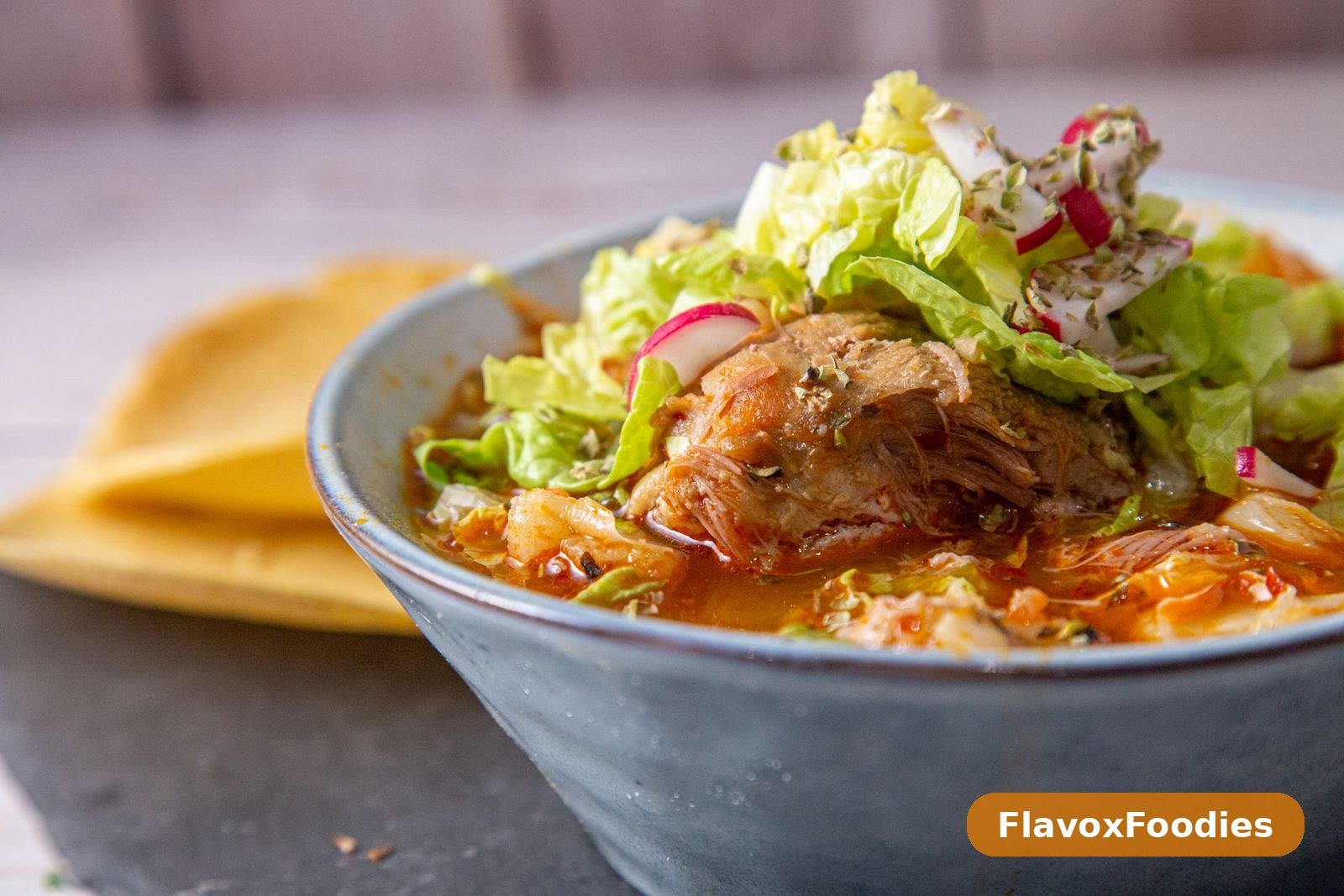
Pozole verde is a natural fit for a casual dinner party, because it is one of those rare dishes that actually gets better when it sits. I make the pot in the afternoon, set out the toppings bar, and let guests serve themselves whenever they are ready. It takes all the pressure off timing, and people love building their own bowls. Set the toppings out in small bowls with a spoon in each one, put a stack of deep bowls and soup spoons at the front of the table, and keep the pot on the stove on the lowest heat so the broth stays hot. A bottle of hot sauce and an extra lime cut into wedges on the table covers everyone.
For game day or a family movie night, I serve pozole in mugs instead of bowls. It sounds odd, but it works perfectly. People can hold a mug in one hand and a tortilla in the other, and nobody has to balance a bowl on their lap. Keep the toppings in small bowls on the coffee table and let everyone top up their own mug. It is cozy, it is informal, and it turns an ordinary evening into something that feels a little special without any extra effort from you.
If you are cooking for a smaller household, this recipe is still worth making in full, because pozole might be the best leftover soup in existence. I portion it into containers with the broth and the chicken and hominy together, and I keep the toppings separate in the fridge. That way the cabbage stays crunchy and the radishes stay crisp, and every bowl tastes freshly made. A container of this soup in the freezer has saved more busy weeknights in my house than I can count.
Storing and Reheating
Leftover pozole verde keeps in the fridge for four to five days in an airtight container, and it freezes beautifully for up to three months. I always let it cool completely before putting it away, and I store the soup and the toppings separately so the cabbage and radishes stay fresh. To freeze it, ladle the cooled soup into freezer-safe containers, leaving about an inch of space at the top for expansion, and label them with the date so you do not end up playing freezer roulette later. Thaw overnight in the fridge when you are ready for it.
To reheat, warm the soup gently in a pot over medium-low heat until it is steaming, about ten minutes, stirring occasionally. Avoid boiling it hard, because that can make the chicken tough and the hominy mushy. If the soup has thickened in the fridge, which it often does, stir in a splash of chicken broth or water to loosen it back up. Taste it again after reheating and add a fresh squeeze of lime, because the lime flavour fades a little in storage. The microwave works fine for a single serving, just heat it in short bursts and stir between each one so it warms evenly.
Frequently Asked Questions
What is hominy, and do I have to use it?
Hominy is dried corn that has been soaked in an alkaline solution, a process called nixtamalization, which puffs the kernels up and gives them a soft, chewy texture and a mild, earthy flavour. It is the defining ingredient of pozole, so I do recommend using it. Canned hominy is already cooked and ready to go, which makes this recipe very weeknight friendly. If you absolutely cannot find it, you could substitute cooked pinto beans or even chickpeas, but the soup will not quite be pozole without the hominy, so it is worth looking for it in the Mexican aisle or at a Latin market.
Can I make pozole verde in a slow cooker?
Yes, and it is a great fit for the slow cooker. Roast and blend the green sauce as usual, then add it to the slow cooker with the broth, the chicken, and the bay leaf, and cook on low for five to six hours or on high for three hours. Stir in the hominy during the last hour so it does not get too soft. Shred the chicken, return it to the pot, add the lime juice, and let it simmer for another fifteen minutes before serving. If you want a second opinion on timing and technique, the slow cooker version over at Isabel Eats is a lovely reference to compare with.
Is pozole verde spicy?
It is mildly spicy, but you are in control of the heat. The poblanos are very mild, and most of the warmth comes from the jalapeño, so the soup is gentle as written. If you are cooking for kids or anyone sensitive to spice, leave the jalapeño out entirely and the soup will still be full of flavour. If you like things fiery, keep the jalapeño seeds in, add a second jalapeño, or pass hot sauce at the table. I usually make it mild and let everyone adjust their own bowl, which keeps the peace at dinner.
Can I use chicken breasts instead of thighs?
You can, but you need to be a little careful with them. Chicken breasts dry out faster than thighs, so take them out of the pot as soon as they reach 165 degrees inside, usually after about twenty to twenty-five minutes of simmering, and shred them right away. Let the broth keep simmering with the hominy while you shred, then add the chicken back in at the end. If you want a lighter version of this soup overall, Skinnytaste has a chicken breast version that is well worth a look for portion and timing ideas.
What toppings go on pozole verde?
The classic toppings are shredded cabbage, sliced radishes, diced white onion, lime wedges, and dried Mexican oregano, with crumbled queso fresco and tortilla strips as optional extras. That combination gives you crunch, peppery bite, sharpness, and brightness all at once, and it is what makes pozole so much fun to eat. Beyond the classics, I love adding diced avocado, a spoonful of Mexican crema, or a little chopped cilantro. Set everything out in small bowls and let everyone build their own, because half the joy of pozole is making the bowl exactly how you like it. If you are already planning a Mexican night, a rice side rounds it out nicely, and my One-Pan Shrimp and Chorizo Paella-Style Rice is a favourite with this soup.