


There is something quietly satisfying about a tray of roasted potatoes coming out of the oven. The edges are golden and crisp, the centers are soft and fluffy, and the whole kitchen smells like garlic and butter. It is the kind of side dish that never gets left behind on the plate, no matter what else is on the table. Kids reach for them, guests ask for the recipe, and somehow the simplest ingredients turn into the thing everyone remembers.
Garlic parmesan roasted potatoes have earned their place as a weeknight staple in my kitchen, and for good reason. They take about ten minutes of hands-on work, they use ingredients I almost always have on hand, and they go with practically everything — roast chicken, grilled steak, baked fish, a simple salad, or even just a fried egg on a busy morning. There is no fancy technique involved, no special equipment, and no long list of steps. Just good potatoes, hot oil, real garlic, and a generous handful of parmesan.
What makes this version worth making again and again is the balance. The potatoes get properly crisp because they are cut evenly, given enough space on the pan, and roasted at a high temperature. The garlic is added at the right moment so it turns sweet and golden instead of bitter. And the parmesan goes on twice — once before roasting so it melts into a savory crust, and once at the end so it stays bright and salty. A little fresh parsley at the finish keeps everything from feeling heavy.
If you have ever been disappointed by roasted potatoes that came out soft or pale, this recipe will fix that. The method below is forgiving, the results are consistent, and once you have made it once you will probably stop measuring altogether. That is the mark of a good side dish: it becomes part of your regular rotation without any effort at all.
Why You’ll Love This Recipe
First, it is genuinely easy. There is no parboiling, no peeling if you do not want to, and no complicated timing. You cut the potatoes, toss them with oil and seasonings, spread them on a pan, and let the oven do the work. While they roast, you have forty minutes free to cook the main dish, set the table, or simply sit down for a few minutes.
Second, the flavor is big for such a short ingredient list. Garlic and parmesan are one of those pairings that just works — savory, salty, a little nutty, and deeply comforting. The garlic softens in the heat and loses its sharp edge, while the parmesan crisps into little golden bits that cling to the potatoes. A squeeze of lemon at the end is optional, but it lifts everything nicely.
Third, this recipe is flexible. It works with whatever potatoes you have, it scales up easily for a crowd, and it adapts to the seasons. In summer I serve it with grilled chicken and a green salad. In winter it goes next to a roast and a pile of sauteed green beans with garlic. Either way, the plate comes back clean.
Finally, it is the kind of dish that makes a plain dinner feel complete. A piece of chicken and a salad is a meal, but add a bowl of crispy garlic parmesan potatoes and suddenly it feels like a proper dinner — the kind of dinner people sit at the table a little longer for.
Ingredients You’ll Need
You do not need anything unusual for this recipe, and that is part of its charm. Here is what goes into it, and why each thing matters:
- 2 pounds baby potatoes or Yukon Gold potatoes — Baby potatoes are my first choice because their thin skins crisp up beautifully and they hold their shape. Yukon Golds are a close second; they are naturally buttery and their flesh stays creamy inside. Russets also work, though they can be a little drier. Cut everything into roughly equal pieces, about one to one and a half inches, so they cook at the same rate.
- 3 tablespoons olive oil — Enough to coat every piece generously. The oil is what carries the heat to the potato surface and creates that golden crust, so do not skimp. A neutral oil like avocado oil works too.
- 4 cloves garlic, minced — Fresh garlic makes a real difference here. Jarred garlic can taste flat and sometimes burns more easily. If you love garlic, add an extra clove or two.
- 1 teaspoon garlic powder — This might seem like overkill next to fresh garlic, but it serves a purpose. Garlic powder seasons the potato itself, while the fresh garlic provides aroma. Together they give a fuller garlic flavor.
- 1 teaspoon Italian seasoning — A simple blend of oregano, basil, and thyme. It adds a gentle herbal background without overpowering the garlic and parmesan.
- 1 teaspoon salt — Potatoes need proper seasoning. Taste a piece when they come out of the oven and adjust if needed, but start with a full teaspoon.
- 1/2 teaspoon black pepper — Freshly ground if you have it.
- 1/2 teaspoon paprika — Mostly for color, but it also adds a faint warmth. Smoked paprika is a nice variation.
- 1/3 cup finely grated parmesan cheese — Use the finely grated kind, not the shredded kind, so it coats the potatoes evenly and melts into a crust. Freshly grated parmesan melts best, but the pre-grated kind works fine.
- 2 tablespoons fresh parsley, chopped — For freshness and color at the end. Chives are a good substitute.
- 1 tablespoon butter, melted (optional) — Tossing the hot potatoes with a little melted butter at the end adds richness and helps the final dusting of parmesan stick.
A note on the parmesan: the real thing, Parmigiano-Reggiano, has a deeper, nuttier flavor than the shelf-stable shaker cheese, and it is worth using if you have it. That said, this is a weeknight side dish, not a special occasion, so use what you have. The method matters more than the brand.
How to Make Garlic Parmesan Roasted Potatoes
Preheat your oven to 425°F (220°C). This temperature is important — it is hot enough to crisp the outside of the potatoes before the inside overcooks. A cooler oven gives you soft, pale potatoes, and nobody wants those. Place a large rimmed baking sheet in the oven while it preheats if you like; a hot pan gives the potatoes a head start on crisping.
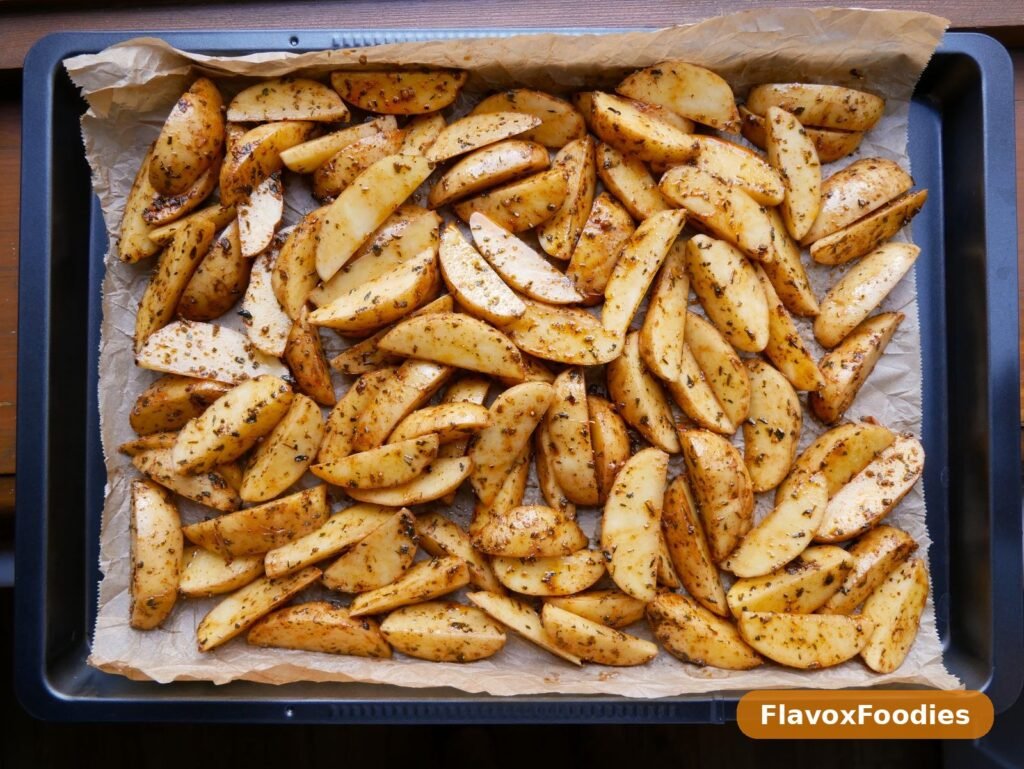
Wash the potatoes well and pat them dry. This step matters more than people think. Wet potatoes steam instead of roast, and steaming is the enemy of crispiness. Cut them into even pieces, about one to one and a half inches across. If you are using baby potatoes, halving or quartering them is usually enough. Leave the skins on — they crisp up, they add texture, and they save you the trouble of peeling.
Put the cut potatoes in a large bowl and drizzle them with the olive oil. Add the salt, pepper, paprika, garlic powder, and Italian seasoning. Toss everything thoroughly with your hands or a big spoon until every piece is coated. You want the seasoning distributed evenly, not sitting in a pile at the bottom of the bowl.
Spread the potatoes on the baking sheet in a single layer, cut side down where possible. This is the single most important step for crispy potatoes. If the pieces are crowded together, they will steam and stay soft. If they have space, the hot air circulates around them and the edges turn golden. Use two pans if you need to — it is always better than crowding one.
Roast for 20 minutes without touching them. I know it is tempting to stir, but leaving them alone lets the cut side develop a proper golden crust. After 20 minutes, take the pan out, flip the potatoes with a spatula, and sprinkle the minced fresh garlic and half of the parmesan over them. Toss gently right on the pan. The reason the fresh garlic goes in halfway through is simple: if it goes in at the start, it burns during the long roast and turns bitter. Added now, it cooks just enough to turn sweet and fragrant.
Return the pan to the oven and roast for another 15 to 20 minutes, until the potatoes are deeply golden and crisp at the edges and a fork slides easily into the center. The exact time depends on the size of your pieces, so start checking at 15 minutes.
When the potatoes are done, take them out of the oven and immediately toss them with the remaining parmesan and the chopped parsley. If you are using the melted butter, drizzle it over now and toss again. The residual heat melts the cheese slightly and the parsley wilts just a touch. Taste one and add a pinch more salt if needed. Serve hot.
Tips for the Crispiest Potatoes
The difference between good roasted potatoes and great ones comes down to a few small details. First, dry the potatoes thoroughly after washing. Even a little surface moisture turns to steam in the oven, and steam is the opposite of crisp.
Second, do not crowd the pan. I mentioned it above, but it bears repeating because it is the most common mistake. A single layer with space between the pieces is non-negotiable. If your potatoes are touching each other on all sides, grab a second pan.
Third, use a heavy baking sheet. Thin, flimsy pans warp at high heat and create hot spots. A sturdy rimmed sheet pan distributes heat evenly and gives you consistent browning. If your pan is dark-colored, check the potatoes a few minutes early, since dark pans brown faster.
Fourth, resist the urge to stir too often. Potatoes need uninterrupted contact with the hot pan to build a crust. One flip halfway through is enough. Every time you stir, you break the crust that was forming.
Fifth, cut the pieces evenly. If some pieces are tiny and some are huge, the small ones will burn before the big ones are cooked through. Take an extra minute to make the pieces uniform — it pays off.
One more trick worth knowing: if you want an extra-crispy exterior, you can soak the cut potatoes in cold water for 30 minutes before roasting, then dry them very thoroughly. Soaking removes some surface starch, which helps the outside crisp. It is an optional step and the recipe is excellent without it, but it is a nice trick when you want to impress. If you want to go deeper on technique, Serious Eats has a thorough guide to roast potatoes that explains the science behind the crisp.
Variations to Try
Once you have the basic method down, this recipe is easy to make your own. Here are a few variations that work well:
Spicy version: Add half a teaspoon of red pepper flakes or a teaspoon of chili powder to the seasoning mix. The heat pairs nicely with the salty parmesan.
Herb version: Swap the Italian seasoning for fresh rosemary and thyme. Toss the herbs with the potatoes before roasting — rosemary in particular turns wonderfully crisp and fragrant in the oven.
Lemon version: Add the zest of one lemon to the seasoning and squeeze half a lemon over the finished potatoes. The brightness cuts through the richness of the cheese.
Cheesy version: Add a handful of shredded mozzarella or cheddar along with the parmesan in the last ten minutes of roasting. It melts into gooey pockets that are hard to resist.
Smoky version: Use smoked paprika instead of regular paprika, and add a pinch of cumin. It gives the potatoes a warm, barbecue-like flavor that is wonderful with grilled meats.
Vegan version: Skip the parmesan and butter, and toss the hot potatoes with two tablespoons of nutritional yeast and an extra drizzle of olive oil. You still get that savory, cheesy flavor without the dairy.
Serving Ideas
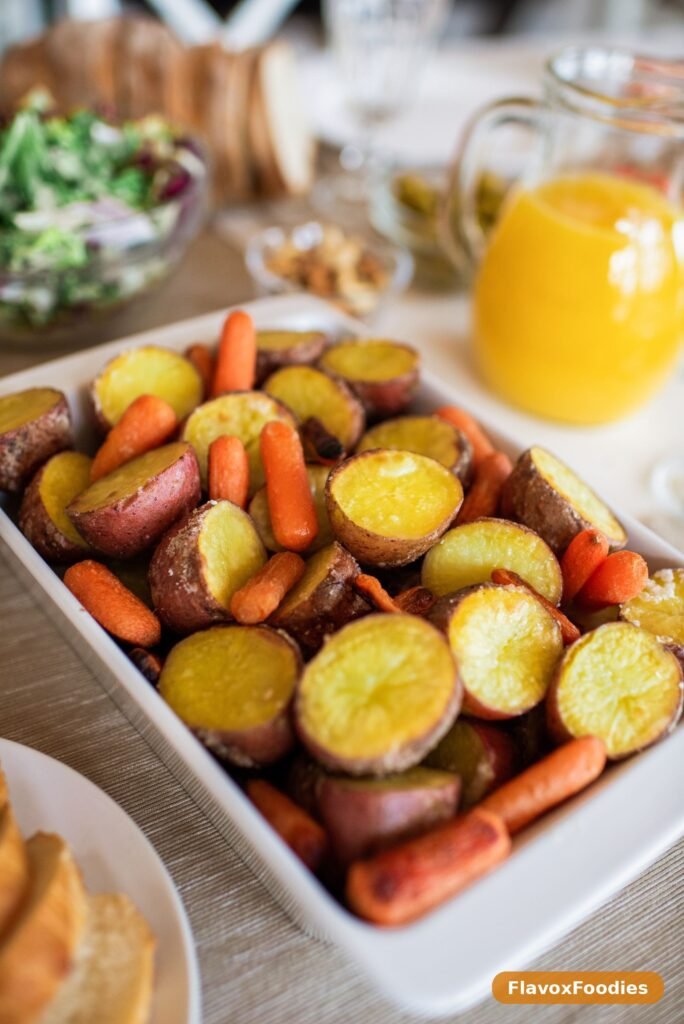
These potatoes are one of the most versatile side dishes I know. They are at home next to almost any main course, and they are equally good as part of a bigger spread.
With chicken, they are a natural match. Try them with a simple roast chicken, with one-pan lemon butter chicken and green beans, or with an easy skillet chicken for beginners on a night when you want dinner on the table fast. The garlic and parmesan echo the flavors of most chicken dishes without competing with them.
With beef or pork, they hold their own next to a steak, a pork chop, or a slow-cooked roast. The crispy edges and salty cheese stand up to rich meats in a way that plain boiled potatoes never do.
With fish, they work surprisingly well — especially with baked salmon or cod, where the potatoes add substance to a lighter main. A simple green salad on the side and dinner is done.
For a vegetarian meal, serve them with a big salad, some roasted vegetables, and a fried or poached egg. They are hearty enough to anchor the plate, and the garlic-parmesan flavor makes the whole meal feel intentional rather than thrown together.
They are also great for brunch. Leftover roasted potatoes crisped up in a skillet with an egg on top make a breakfast worth waking up for. And if you are feeding a crowd, double the recipe and serve the potatoes family-style in a big bowl — they disappear fast.
If you want a lighter second side to balance the richness, baked sweet potato fries are not the right contrast — go with something green and fresh instead. But if the table is all about comfort, both potato dishes side by side will not last long.
Storage and Reheating
Leftover roasted potatoes keep well in the refrigerator for up to four days. Let them cool completely, then store them in an airtight container. They will soften a bit in the fridge, but they crisp right back up with the right reheating method.
The best way to reheat them is in the oven or air fryer. Spread them on a baking sheet and heat at 400°F for about 10 minutes, or air fry at 375°F for 5 to 7 minutes. They come out nearly as crisp as when they were fresh. The microwave works in a pinch, but it will make them soft — fine for a quick lunch, but not ideal.
You can also freeze roasted potatoes, though the texture changes a little. Spread them on a baking sheet, freeze until solid, then transfer to a freezer bag for up to two months. Reheat from frozen in a hot oven. They will not be quite as crisp as fresh, but they are still very good, and they make a fast side dish on a night when you have no time to cook.
One thing to avoid: do not leave cooked potatoes sitting at room temperature for more than two hours. Like all cooked vegetables, they should be refrigerated promptly. The USDA has clear guidance on safe storage times for cooked foods, and it is worth following — food safety is not the place to cut corners.
Frequently Asked Questions
Do I need to peel the potatoes?
No, and I recommend leaving the skins on. The skins crisp up in the oven, add texture and flavor, and they contain fiber and nutrients. Just wash the potatoes well and cut away any bad spots or sprouts. If you strongly prefer peeled potatoes, the recipe still works — just expect a slightly softer texture.
What kind of potatoes are best for roasting?
Baby potatoes and Yukon Golds are my top choices. Baby potatoes have thin skins that crisp beautifully, and Yukon Golds have a naturally buttery flavor and creamy interior. Russets work too, though they can be a little drier and more crumbly. Avoid waxy potatoes like red potatoes if you want a fluffy interior, though they still roast fine.
Why did my potatoes come out soft instead of crispy?
The most common reasons are a crowded pan, a too-cool oven, or wet potatoes. Make sure the pieces are in a single layer with space between them, the oven is fully preheated to 425°F, and the potatoes are patted dry before they go in. Also, do not stir them too often — they need steady contact with the hot pan to form a crust.
Can I make these ahead of time?
You can cut the potatoes up to a day ahead and store them in cold water in the refrigerator — just drain and dry them very thoroughly before roasting. Fully cooked potatoes can be made a few hours ahead and reheated in a hot oven, but they are at their best fresh from the oven.
Can I use garlic powder instead of fresh garlic?
You can, but the flavor will be flatter. The recipe already uses garlic powder for background seasoning; the fresh garlic added halfway through is what gives the dish its aroma. If you must skip the fresh garlic, increase the garlic powder to one and a half teaspoons and add it with the other seasonings.
How do I keep the parmesan from burning?
Parmesan burns when it is exposed to high heat for too long. That is why only half goes on at the halfway point and the rest goes on after the potatoes come out of the oven. If your oven runs hot, you can add the first half of the cheese even later — with about ten minutes left — and it will still melt nicely.
These garlic parmesan roasted potatoes are the kind of recipe that earns a permanent place in your kitchen. They are simple, reliable, and always welcome at the table. Make them once, and you will understand why they disappear so fast. Make them twice, and you will stop looking at the recipe altogether. That is exactly how a good side dish should be — easy enough to remember, good enough to make again and again.



Pingback: Sauteed Green Beans with Garlic – FlavoxFoodies