
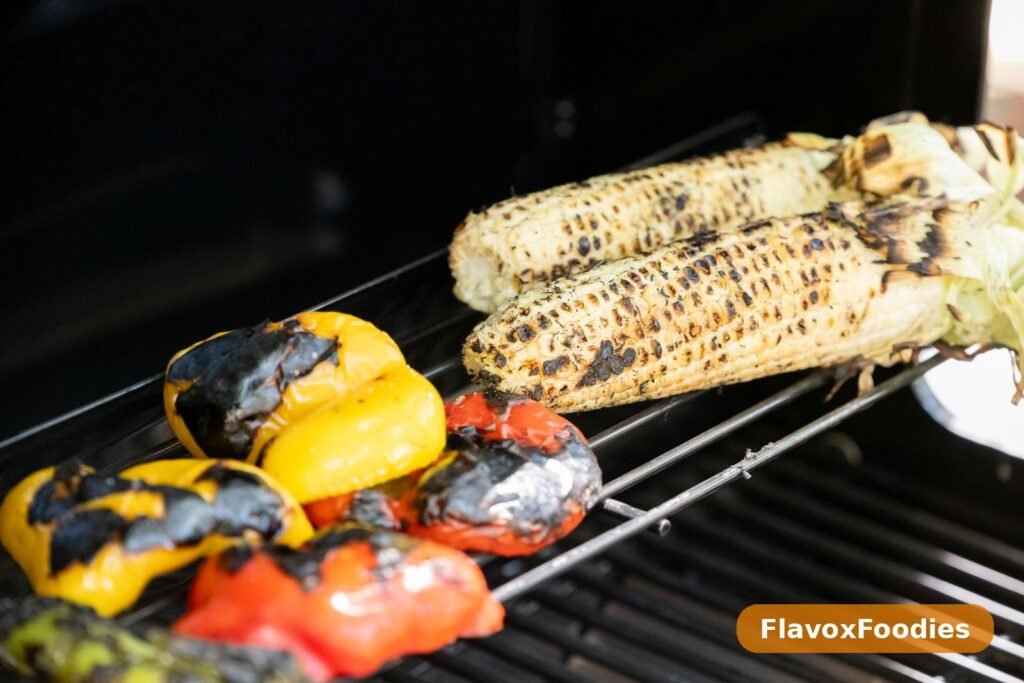

There is a moment at every good cookout when the bowl of salsa disappears faster than anything else on the table, and nobody can quite explain why. It is not the fanciest dish out there. It is corn and beans and onion in a bowl. But when the corn has been charred properly, when the edges are dark and smoky and sweet at the same time, that bowl becomes the thing people hover around. I have watched it happen at my own table more times than I can count: the tacos sit waiting, the chicken goes untouched for a while, and everyone is just standing there with a chip in one hand, going back for one more scoop.
This charred corn and black bean salsa is the recipe I make when I want that moment. It takes about twenty-five minutes, most of it just waiting for the corn to get properly dark on the grill or in a hot pan, and it works with almost anything. Spoon it over tacos, pile it on grilled chicken, eat it straight out of the bowl with tortilla chips, or use it to rescue a plain bowl of rice on a tired weeknight. It is one of those recipes that earns its place in your regular rotation not because it is impressive, but because it is useful, and because it tastes like you tried much harder than you did.
The trick, and really the whole point of the recipe, is the char. Raw corn is sweet and pleasant, but charred corn is something else entirely. The heat caramelizes the natural sugars, the kernels pick up a little smoke, and the edges get a slight bitterness that makes the rest of the salsa taste brighter. You do not need a grill to get there. A screaming hot cast iron skillet does the job beautifully, and honestly, on a weeknight, that is usually what I use. The point is not the equipment. The point is not being afraid to let the corn go dark.
What Makes This Salsa Different
Most corn salsas you find in a jar are fine, in the way that most jarred things are fine. They are sweet, a little flat, and they taste like they were made a long time ago in a factory far away. This one tastes alive. The corn is warm when it goes in, the lime juice is fresh, the cilantro is still bright, and the whole bowl smells like a grill and a garden at the same time. That freshness is the difference, and it is the reason this salsa never lasts long in my fridge.
The other thing that sets it apart is balance. A good salsa is not just heat or just sweetness. It is all of it at once: the smoky sweetness of the corn, the earthy creaminess of the black beans, the sharp bite of red onion, the fresh green note of cilantro, and the acid from lime juice pulling everything together. Take any one of those away and the bowl gets boring. Keep them all in balance and people will ask you for the recipe, which is always the sign that you got it right.
I also like that this salsa is honest food. There is nothing in it you need to feel guilty about, nothing processed, and it happens to be naturally vegan and gluten-free, which means it works for almost everyone at the table without you having to make a separate dish. It is the rare recipe that pleases the person counting calories and the person who just wants something that tastes good, and those two people are often sitting next to each other.
Ingredients You Will Need
The list is short, and that is part of the charm. You need four ears of fresh corn, or about three cups of frozen corn if fresh is not in season, one can of black beans, rinsed and drained, one small red onion, one red bell pepper, one jalapeño, a big handful of fresh cilantro, two limes, a clove or two of garlic, a teaspoon of ground cumin, half a teaspoon of smoked paprika, and salt and pepper. A little olive oil for the pan, and that is it. If you want to get fancy, a diced avocado folded in at the end is lovely, but it is optional, and I would rather you make the basic version well than the fancy version badly.
A note on the corn, because it matters more than anything else here. Fresh corn on the cob, in season, will always give you the best char and the sweetest kernels. But frozen corn is not a compromise to be embarrassed about. It chars beautifully in a hot skillet, sometimes even better than fresh, because the kernels are already cut and they make full contact with the pan. If you are using canned corn, drain it well and pat it dry before it hits the heat, because wet kernels steam instead of charring, and steamed corn is not what we are after.
For the beans, canned black beans are completely fine. Rinse them well, because the liquid in the can is starchy and salty and it will make the salsa cloudy. If you have the time and inclination to cook dried beans, they will taste a little better, but this is a twenty-five minute recipe and nobody is going to judge you for opening a can. I certainly will not.
How to Char the Corn
This is the step that makes the salsa, so it deserves your full attention for about ten minutes. If you are using a grill, heat it to medium-high, brush the corn lightly with oil, and lay the ears directly on the grates. Turn them every couple of minutes until the kernels are charred in spots all over, which takes about eight to ten minutes. You want real dark spots, not just a light golden toast. If a few kernels look almost burnt, that is fine. That is the flavour.
If you are using a skillet, and this is my usual method, get a large cast iron pan as hot as you can stand it, add a thin slick of oil, and pour the kernels in a single layer. Then, and this is the hard part, leave them alone. Do not stir for two or three minutes. Let them sit and darken. When you hear them popping and smell something toasty, give the pan a shake or a stir, and let them sit again. Repeat until you have dark, charred spots on a good share of the kernels, about eight minutes total. The corn will tell you when it is ready: it smells like a campfire in the best possible way.
One mistake I see people make is crowding the pan. If the kernels are piled on top of each other, they steam, and steamed corn never chars. Work in two batches if your pan is small. It takes a few extra minutes, but it is the difference between a salsa that tastes smoky and one that tastes like plain boiled corn with beans in it. And whatever you do, do not walk away from the pan. Charred turns to burnt faster than you think, and there is a fine line between smoky and bitter.
Once the corn is done, let it cool for five minutes before you cut the kernels off the cob, or just tip the skillet corn into a bowl. Warm corn is fine and even good here, but you do not want it so hot that it wilts the cilantro and the onion the second it touches them.
Putting the Salsa Together
While the corn cools, dice the red onion and the bell pepper small, about the size of a corn kernel, so that every spoonful gets a bit of everything. Mince the garlic. Seed the jalapeño if you want a gentle warmth, or leave the seeds in if you like a real kick. I usually seed half of it, which lands right in the middle, enough heat to notice, not enough to regret. Chop the cilantro, stems and all, because the stems carry plenty of flavour and throwing them away is a waste.
Tip the corn, beans, onion, pepper, jalapeño, garlic, and cilantro into a big bowl. Squeeze both limes over the top, add the cumin and the smoked paprika, and season generously with salt and a few grinds of black pepper. Then toss it all together gently, taste, and adjust. This tasting step is not optional. Salsas live or die on their seasoning, and the right amount of salt and lime will wake the whole bowl up. If it tastes flat, it almost always needs more lime or more salt, not more of anything else. Add a squeeze, stir, taste again. You will know when it lands.
Let the salsa sit for at least fifteen minutes before serving if you can manage it. The flavours need a little time to get to know each other, and the lime juice needs time to work its way into the beans. That said, I have served it straight away plenty of times and nobody has ever complained. If you are making it ahead, it keeps beautifully in the fridge for three or four days, and the flavour actually gets better on day two, which makes it a great make-ahead dish for a party.

Ways to Serve It
The obvious move is tortilla chips, and it is a good one. But this salsa is far more versatile than a chip dip. My favourite way to eat it is piled on chipotle lime chicken tacos, where the smoky corn and the cool mango slaw play off each other in a way that makes the whole taco taste bigger than the sum of its parts. It is also wonderful spooned over grilled fish, folded into a burrito, or served next to rice and beans as a proper side dish.
For a weeknight dinner, try it over a bowl of rice with some shredded chicken or a fried egg on top. It turns plain pantry food into something you actually look forward to eating, and that is a useful trick to have. I have also used it as a topping for baked potatoes, which sounds odd until you try it, and as a filling for quesadillas, where the cheese melts around the corn and beans and holds the whole thing together. If you have leftovers, and you might not, try it on toast with a smear of cream cheese in the morning. Trust me on that one.
It also makes a great party dish, because it scales easily. Double the recipe for a crowd, put it in a big wide bowl so people can actually get a spoon in, and set out a stack of warm tortillas next to it so people can make their own little tacos. At a barbecue, it sits happily next to grilled meats without needing to be kept hot, which is more than you can say for most side dishes. For more ideas in the same spirit, my one-pan shrimp and chorizo paella-style rice is another crowd-pleaser that leans on the same smoky, Spanish-inspired flavours.
Make It Your Own
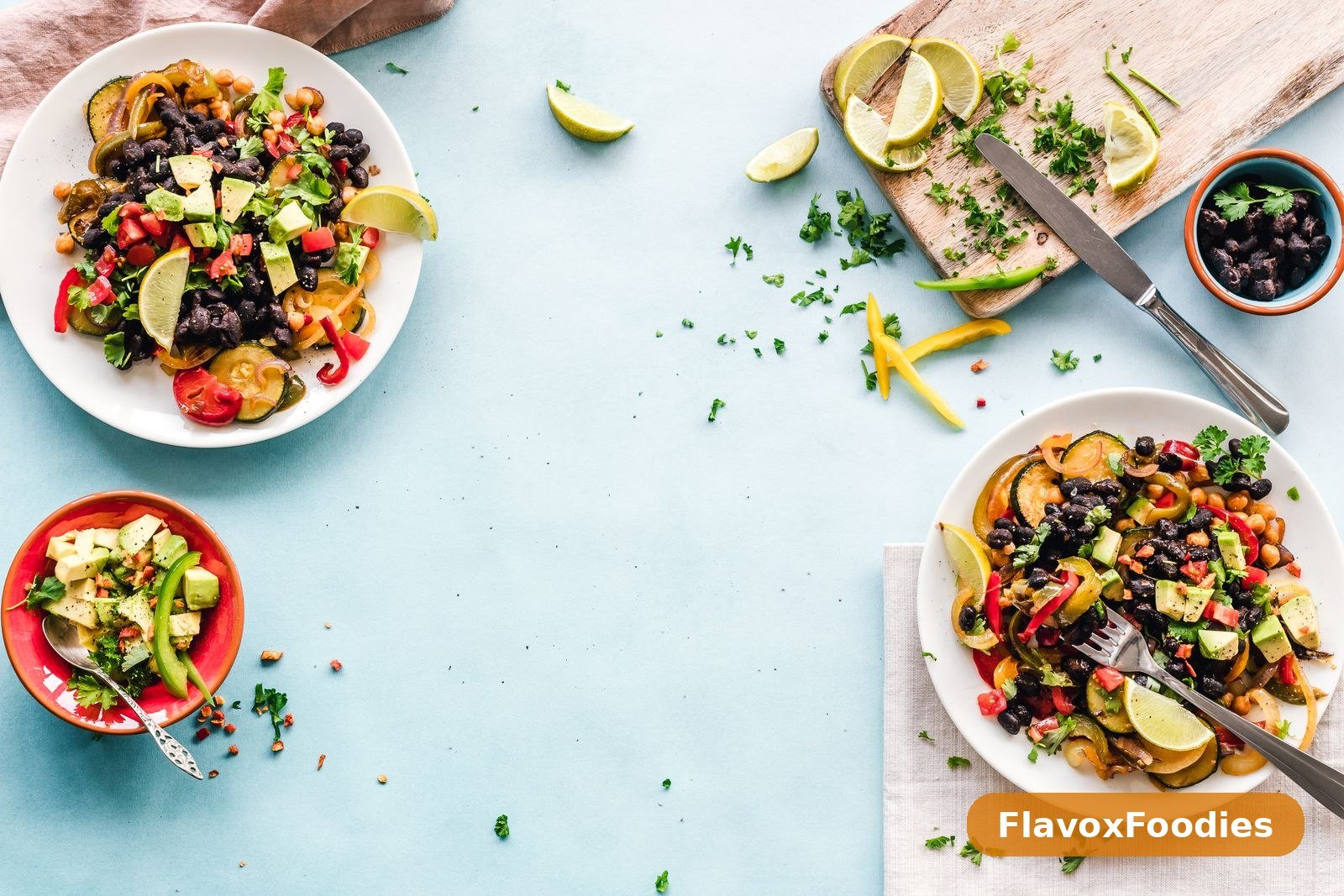
Once you have the basic version down, the salsa is very forgiving about changes. Swap the black beans for pinto beans or chickpeas. Add diced mango or pineapple for a sweet and smoky contrast. Stir in some crumbled cotija or feta for a salty, creamy note. A diced avocado folded in at the end makes it richer, though you should only add it if you are serving the salsa right away, because avocado browns quickly. A spoonful of adobo sauce from a can of chipotles will push the smokiness further, and a pinch of sugar will round out the lime if your limes are especially sharp.
The heat level is yours to control. Leave the jalapeño out entirely and the salsa is mild enough for kids. Use a serrano instead and it gets a sharper, brighter heat. Add a pinch of cayenne if you want warmth without chopping another pepper. There is no wrong answer here, only the answer that tastes right to you, and the only way to find it is to make the salsa a few times and pay attention to what you like. That is how every good cook builds their own version of a recipe, one small change at a time.
One change I would not make is skipping the char. You can change the beans, the peppers, the herbs, and the heat, but if you do not char the corn, you have a different dish, and a less interesting one. The char is the whole idea. Everything else is just good company for it.
Tips for the Best Results
First, use the freshest cilantro you can find. Wilted cilantro tastes like nothing, and a salsa with dead herbs tastes tired no matter how good the corn is. If your cilantro looks sad, soak it in cold water for ten minutes and it will often perk right back up. Second, cut everything small and even. Big chunks of onion are a shock in a salsa, and even pieces mean every bite tastes the same, which is what you want.
Third, season in layers. Salt the corn lightly while it chars, then season the finished salsa and taste again. Salt added at the end sits on the surface, but salt added during cooking gets into the food, and the difference is real. Fourth, and this is the one people forget, serve it at room temperature. Cold salsa straight from the fridge tastes muted, because cold dulls flavour. Take it out twenty minutes before serving and let it come up to room temperature, and you will taste the difference immediately.
Finally, do not be shy about the lime. Two limes might sound like a lot, but the juice is what lifts the whole bowl and keeps it from tasting heavy. If your limes are small or dry, use three. Roll them on the counter before you cut them, press firmly, and you will get more juice out of each one. Fresh lime juice is non-negotiable here. The bottled kind tastes flat and slightly bitter, and in a recipe this simple, there is nowhere for it to hide. If you enjoy fresh, bright sides like this one, you might also like my creamy coleslaw with apple, which brings the same crisp, tangy energy to the table.
Storing and Making Ahead
This salsa keeps in an airtight container in the fridge for three to four days, and as I said, it is often better on the second day, once the flavours have had time to settle in together. The corn stays firm, the beans soak up a little of the lime and cumin, and the whole bowl tastes more like itself. Give it a good stir before serving, and taste it again, because cold food needs a little more seasoning than you think. A fresh squeeze of lime and a pinch of salt will bring it right back to life.
I would not freeze it. The corn and beans freeze fine, but the onion and cilantro go soft and sad, and the texture is never the same after thawing. This is a fresh salsa, and fresh salsas are meant to be eaten within a few days. The good news is that it rarely lasts that long anyway. If you find yourself with a big batch and no plan for it, spoon it over eggs in the morning, fold it into a grain bowl at lunch, or use it as a filling for a wrap. It is a problem that solves itself.
For a cookout, make the salsa the night before and keep it covered in the fridge, then bring it to room temperature while the grill heats up. That is one less thing to do on the day, and the salsa will taste better for the rest. If you are planning a whole spread, a tray of baked sweet potato fries alongside it gives people something warm and salty to scoop with, and the two dishes look beautiful next to each other on a table.
Frequently Asked Questions
Can I use frozen corn instead of fresh?
Yes, and it works very well. Frozen corn chars beautifully in a hot cast iron skillet because the kernels are already cut and make full contact with the pan. Use about three cups, thaw it first, and pat it dry so the kernels char instead of steaming. You will not be able to tell the difference in the finished salsa.
How spicy is this salsa?
With one seeded jalapeño, it is mild to medium, warm enough to notice but not enough to make anyone reach for water. Leave the seeds in for more heat, swap in a serrano for a sharper bite, or leave the pepper out entirely if you want it completely mild. The recipe is built so the heat is easy to adjust without changing anything else.
Can I make this salsa ahead of time?
Yes, it is actually better the next day. Make it up to a day ahead, cover it, and keep it in the fridge. Let it come to room temperature for about twenty minutes before serving, then taste it and add a fresh squeeze of lime and a pinch of salt if it needs waking up. It keeps for three to four days in total.
What is the best way to char corn without a grill?
A cast iron skillet over high heat is the best indoor method. Spread the kernels in a single layer, leave them alone for two or three minutes at a time, and stir only when you see dark spots forming. A heavy stainless steel pan works too. The key is high heat, a single layer, and patience. If you want to read more about how salsa fits into Mexican cooking traditions, the history of salsa is a good place to start.
What can I serve with charred corn and black bean salsa?
Almost anything grilled or Mexican-inspired. It is great with tacos, burritos, grilled chicken, fish, and rice bowls, and it works as a dip with tortilla chips on its own. For a bigger spread, pair it with rice, beans, and a fresh salad, or check out a collection of Mexican recipes for more ideas in the same spirit.


Pingback: Air Fryer Mexican Street Corn Fritters – FlavoxFoodies