
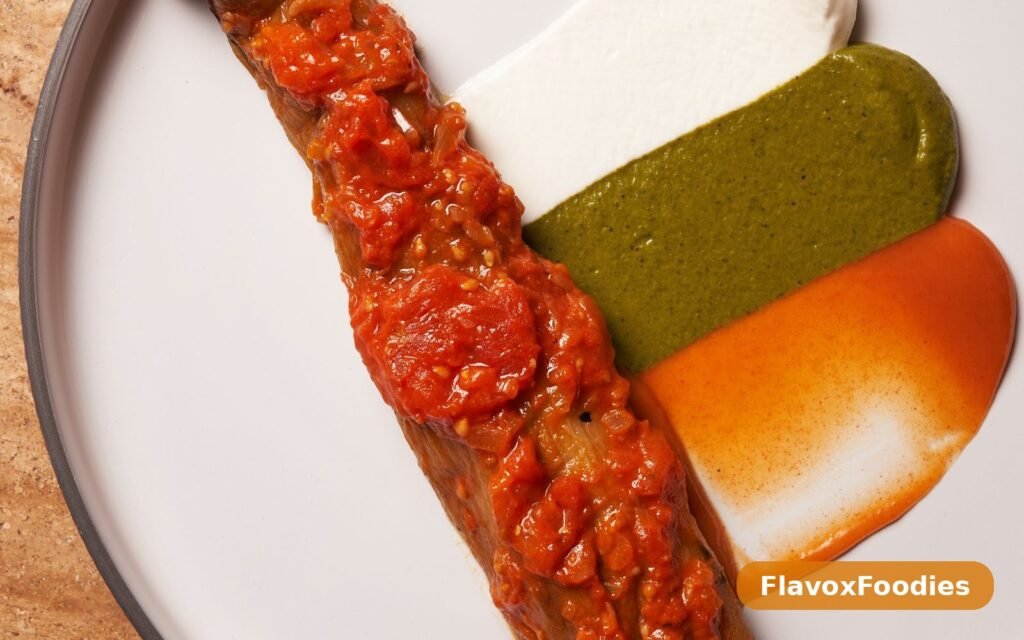

There are some dishes that feel like a project before you even start them, and for years chiles rellenos sat firmly in that category for me. Roasting the peppers, peeling them without tearing, stuffing them without the cheese escaping, whisking an egg batter, heating a pot of oil — it was a whole afternoon’s work for something that disappeared from the plate in about ten minutes. I loved eating them, but I almost never made them at home. Then I tried the whole thing in the air fryer, and honestly, I have not gone back. These air fryer chiles rellenos with cheese give you everything that makes the classic so good — a soft, smoky roasted poblano, a pocket of cheese that goes properly gooey, and a golden, crisp coating — with a fraction of the mess and about half the time.
The first time I made them this way, I was half expecting a compromise. Air fryers are wonderful, but they do have their limits, and a stuffed pepper seemed like one of them. What I got instead was a pepper that held its shape beautifully, cheese that melted all the way through without leaking out everywhere, and a coating that actually stayed crisp after it came out of the basket. My family did not notice anything was different from the deep-fried version, and I noticed everything: no pot of oil to deal with, no splattering on the stove, no kitchen smelling like a fryer for the rest of the evening. That is a trade I will make every single time.
If you have never made chiles rellenos before, do not let the name put you off. It sounds fancy, and the finished plate certainly looks like something from a good Mexican restaurant, but the steps themselves are simple. Roast the peppers, peel them, stuff them with cheese, coat them, and let the air fryer do the rest. There is one slightly fiddly moment — getting the skin off the roasted poblanos — and even that becomes easy once you know the trick of letting them steam in a covered bowl. After that, it is smooth sailing. This is a dinner that works for a weeknight when you want something a bit special, and it is also good enough for a weekend when friends are coming over and you want the table to look like you tried harder than you did.
Why the Air Fryer Works So Well for Chiles Rellenos
The air fryer is basically a small, very efficient convection oven, and that is exactly what a chile relleno needs. The traditional version is deep-fried, which is delicious but also the reason most people never make it at home. The hot oil crisps the egg batter in seconds, but it also means a big pot of oil, a thermometer, splattering, and a kitchen that needs wiping down afterwards. The air fryer gives you the same crisp, golden outside using nothing more than a light spray of oil and fast-moving hot air. The coating sets and browns, the cheese inside melts, and the pepper stays tender without going soggy.
There is another advantage that people do not talk about enough: control. In a pot of oil, a stuffed pepper can fall apart in a moment, and once the cheese starts leaking, there is not much you can do about it. In the air fryer, the peppers sit still in the basket, undisturbed, while the hot air does its work around them. You can peek in halfway through, check how the colour is coming along, and turn them gently if they need it. Nothing is sloshing around, nothing is sticking to the bottom of a pan, and you are not juggling a slotted spoon over bubbling oil. It is a calmer way to cook something that used to feel stressful.
The texture is genuinely close to the original, too. The outside goes golden and crisp, the pepper underneath is soft and smoky, and the cheese inside is molten. The one difference is that the coating is lighter — a little less rich than a deep-fried batter, a little more delicate. I actually prefer it that way, because you can taste the pepper itself instead of mostly tasting the crust. If you have tried other air fryer recipes and liked how they turned out, you will know what I mean. The air fryer has a way of making fried food feel lighter without making it feel like a compromise, and these air fryer BBQ chicken thighs are another good example of that — juicy inside, caramelised outside, no grill or fryer needed.
One more thing worth saying: this is a much lighter dish than the restaurant version, and that matters if you make it regularly. A traditional chile relleno can soak up a surprising amount of oil. The air fryer version uses a teaspoon or two of oil spray for the whole batch. The cheese is still cheese, so nobody is calling this health food, but the difference in fat is real, and you can taste the poblanos and the filling instead of the oil they were cooked in. It is the kind of small change that lets a special-occasion dish become a regular dinner.
Picking the Right Poblanos
Everything starts with the peppers, so it is worth taking a minute at the shop to choose well. Poblanos are the dark green, heart-shaped peppers you will usually find in the chilli section, wider and flatter than a bell pepper, with a gentle point at the end. They are mild — most of the time they have barely any heat at all, though every now and then you will meet one with a surprising kick, which is part of their charm. For this recipe you want four large poblanos that are roughly the same size, so they cook evenly. Look for peppers with smooth, firm, shiny skin and no soft spots or wrinkles. A pepper that feels heavy for its size is a good sign; it means thick, meaty walls that will hold up to stuffing.
Size matters more than you might think. A small, skinny poblano is hard to stuff without tearing, and the cheese-to-pepper ratio ends up wrong — too much pepper, not enough filling. A big, broad poblano gives you a proper pocket and a generous amount of cheese in every bite. If the peppers at your shop are all on the small side, buy five or six instead of four and plan on smaller portions. If you can only find very large ones, that is fine too; just add a couple of extra minutes in the air fryer and use a little more cheese. The recipe is forgiving, and a slightly bigger pepper just means a slightly more generous dinner.
One question I get asked a lot is whether you can use a different pepper. The honest answer is that you can, but it will not quite be a chile relleno. Anaheim peppers are the closest substitute — they are a similar shape, mild, and they roast and peel in the same way, though their walls are thinner and they tear more easily. Bell peppers are too sweet and too thick-walled, and they do not peel well after roasting. Jalapeños are far too small and far too hot for a whole stuffed pepper. If poblanos are available, use poblanos. They are the pepper this dish was built around, and their mild, earthy flavour is the whole point.
The Cheese Filling That Actually Stays Inside
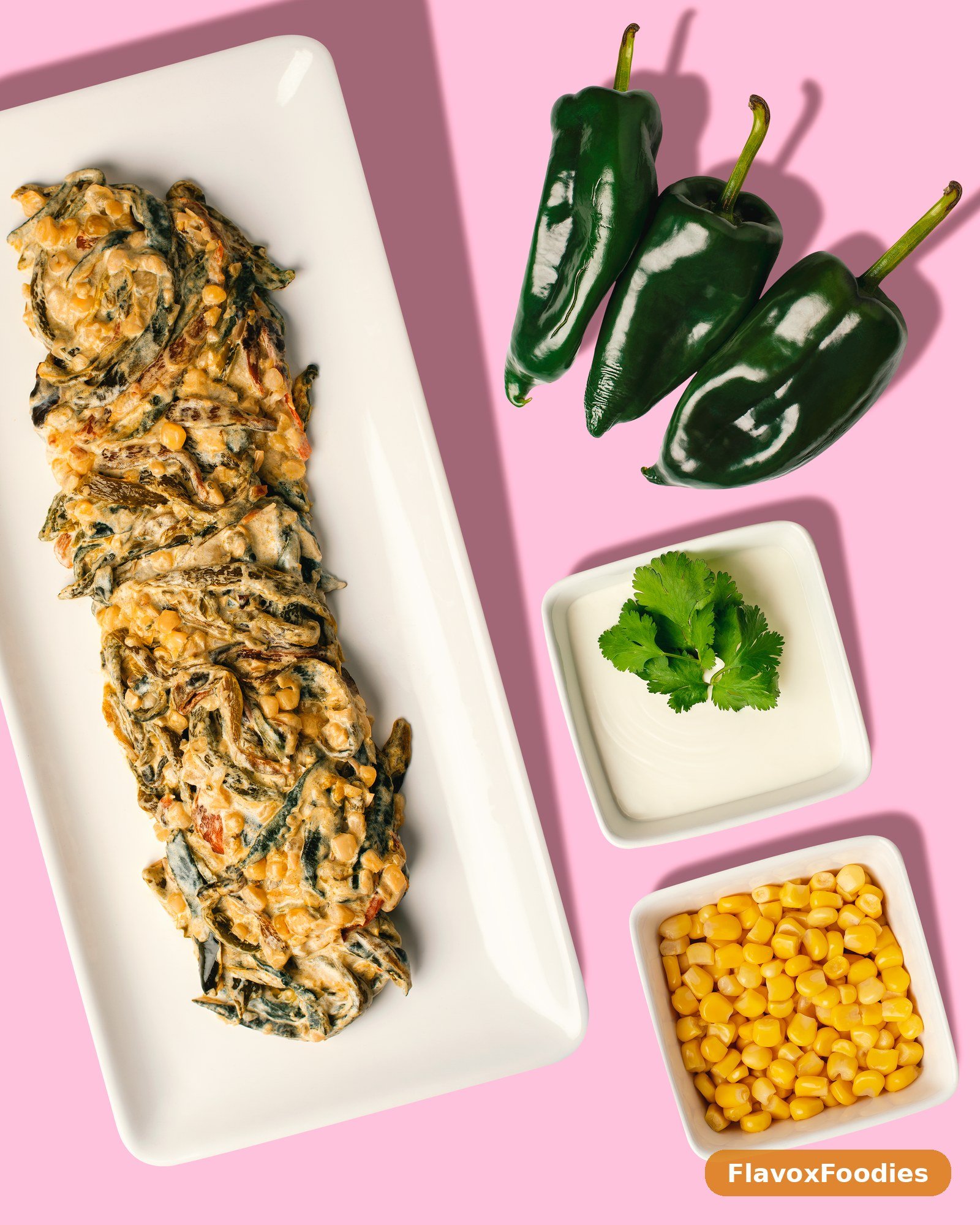
The filling is where a lot of chiles rellenos go wrong, and it usually comes down to the cheese. The classic filling is a mild, melty white cheese — Oaxaca cheese if you can find it, which is the traditional Mexican choice and melts into beautiful long strings. Monterey Jack is the easiest substitute and works brilliantly. Low-moisture mozzarella is another good option, and a mix of Monterey Jack with a little crumbled queso fresco gives you both melt and flavour. What you want to avoid is a cheese that releases a lot of oil when it melts, like a very aged cheddar, or a soft cheese that turns to liquid and runs straight out of the pepper.
Here is a small trick that makes a real difference: use a block of cheese and cut it into sticks, rather than using pre-shredded cheese from a bag. Bagged shredded cheese is coated with anti-caking agents, and those stop it from melting quite as smoothly. A stick of cheese tucked inside the pepper melts into one gooey core and stays put. If you do use shredded cheese, pack it in firmly and do not overfill — a pepper that is bursting at the seams is a pepper that will leak. Fill it generously but leave a little room at the top, and fold the pepper closed over the cheese like you are tucking in a blanket.
A lot of traditional recipes add something else to the filling — a spoonful of refried beans, some seasoned ground meat, a few strips of roasted corn. All of those are delicious, and you can absolutely add them if you like. But for this version I have kept it simple: just cheese, with a little seasoning. There is a reason for that. When the filling is only cheese, the flavour of the roasted poblano comes through properly, and the whole thing stays light and clean-tasting. Once you have made the plain version a couple of times and you know how the peppers behave, then start experimenting. A spoonful of black beans and a pinch of cumin is a lovely next step, and some cooked chorizo tucked in with the cheese is genuinely wonderful.
Ingredients
Serves 4 as a main dish, or 8 as a starter. You will need:
- 4 large poblano peppers
- 200 g (about 2 cups) Monterey Jack or Oaxaca cheese, cut into thick sticks or coarsely grated
- 2 large eggs, separated
- 60 g (about 1/2 cup) plain flour
- 1/2 teaspoon ground cumin
- 1/2 teaspoon smoked paprika
- 1/2 teaspoon garlic powder
- 1/2 teaspoon fine salt, plus a pinch more for the egg whites
- 1/4 teaspoon black pepper
- Olive oil spray or a light brushing of vegetable oil
- To serve: warm tomato salsa, soured cream, chopped coriander, lime wedges
A note on the flour: plain white flour works perfectly here, but if you want an even lighter, crisper coating, use half plain flour and half cornflour. The cornflour crisps up beautifully in the air fryer and gives the coating a delicate crunch that regular flour does not quite match. It is a small swap and it makes a noticeable difference, so it is worth trying if you have cornflour in the cupboard.
How to Make Air Fryer Chiles Rellenos with Cheese
Step 1 — Roast the poblanos. Set the air fryer to 200°C (400°F). Place the whole poblanos in the basket in a single layer and cook for 10 to 12 minutes, turning them once halfway through, until the skins are blistered and blackened in patches all over. They do not need to be black all over — a good amount of char in patches is what you want. If your air fryer is small, roast them in two batches. You can also do this step under a hot grill or directly over a gas flame if you prefer, but the air fryer does a very even job of it.
Step 2 — Steam and peel. Transfer the hot peppers to a bowl and cover it tightly with a plate or cling film. Leave them to steam for 10 minutes. This is the step that makes peeling easy — the trapped steam loosens the skin so it slips off in big pieces. After 10 minutes, peel the skin away gently with your fingers. It should come off easily. Do not worry about getting every last speck off; a few small patches of skin are completely fine and nobody will notice. Whatever you do, do not rinse the peppers under the tap — you will wash away the lovely smoky flavour you just created.
Step 3 — Open and seed. Make a slit down one side of each pepper, from just below the stem to just above the tip. Keep the stem attached — it helps hold the pepper together and looks lovely on the plate. Reach inside carefully and pull out the seeds and the pale membrane. Use a small spoon if your fingers cannot reach. Try not to tear the pepper. If a small tear happens, do not panic; you can usually fold the pepper back together and the batter will seal it. Discard the seeds and give the inside a quick shake to get any loose ones out.
Step 4 — Stuff with cheese. Season the inside of each pepper with a tiny pinch of salt. Tuck the cheese sticks inside, folding the pepper closed around them. The cheese should sit snugly, not poking out of the slit. If a little cheese peeks out at the top, that is fine — it will melt and crisp slightly at the edges, which is delicious. Once stuffed, set the peppers aside on a plate, slit-side up, while you make the coating.
Step 5 — Make the coating. In one shallow bowl, mix the flour with the cumin, smoked paprika, garlic powder, salt and black pepper. In a second bowl, whisk the egg whites with a pinch of salt until they hold soft peaks — this takes about two minutes by hand or one minute with an electric whisk. Gently fold the egg yolks into the whites with a spatula, just until combined. You want a light, airy batter, so do not stir it hard or the air will come straight back out. This is the same kind of light batter that gives the traditional version its puffy golden jacket.
Step 6 — Coat the peppers. Working with one pepper at a time, roll it gently in the seasoned flour, tapping off the excess. Then dip it into the egg batter, turning it to coat all over, and let the extra batter drip off for a second or two. Place it on a plate while you coat the rest. The flour layer is important — it is what the egg batter clings to. Without it, the batter slides straight off the smooth pepper skin, and you end up with a patchy coating.
Step 7 — Air fry. Preheat the air fryer to 190°C (375°F) for three minutes. Spray the basket lightly with oil, then place the coated peppers in a single layer, slit-side up, leaving a little space between them. Spray the tops lightly with oil. Cook for 12 to 14 minutes, turning them very gently halfway through with tongs, until the coating is deep golden and crisp and the cheese inside is melted. If the tops are browning faster than the sides, you can tent a small piece of foil loosely over them for the last few minutes.
Step 8 — Rest and serve. Let the peppers rest for three or four minutes before serving. The cheese inside is extremely hot and needs a moment to settle, and the coating stays crisper if it is not cut into straight away. Serve warm, with salsa spooned over or on the side, a dollop of soured cream, a scattering of chopped coriander, and lime wedges for squeezing over. That squeeze of lime at the end is not optional — the acidity cuts through the richness of the cheese and wakes the whole plate up.
The Egg Batter, Without the Fuss
The batter is the part people worry about most, and it is also the part that is most forgiving. The traditional method separates the eggs, whips the whites to soft peaks, and folds the yolks back in — and that is what I have written above, because it gives you the lightest, puffiest coating. But if you are short on time or you simply do not want to separate eggs, you can skip it. Beat two whole eggs with a tablespoon of milk and use that as your dip instead. The coating will be thinner and a little less puffy, but it will still be golden and crisp, and honestly, on a busy weeknight, nobody at the table is going to complain. The peppers will still be delicious.
There is also a breadcrumb option that a lot of people prefer. After dipping the pepper in beaten egg, roll it in fine breadcrumbs or panko instead of using the whipped egg batter. Panko gives you a wonderfully crunchy, golden crust in the air fryer — arguably even crunchier than the egg batter. Season the breadcrumbs the same way, with the cumin, paprika and garlic powder, so the flavour is built into the crust. This version is a little more robust, too, which is helpful if you are cooking for people who like a bit of crunch. If you go this route, spray the crumbed peppers generously with oil before cooking, because dry breadcrumbs stay pale and powdery instead of going golden.
Whichever coating you choose, there are two rules that apply to all of them. First, make sure the peppers are dry before you start coating. Any moisture on the surface will make the flour clump and the batter slide off. Pat them gently with kitchen paper after peeling. Second, do not overload the basket. The peppers need hot air circulating around them to crisp up properly. If they are packed in tightly, the coating steams instead of crisping, and you end up with something soft and pale. Cook in two batches if you need to — it is worth the extra ten minutes. While the second batch cooks, keep the first batch warm in a low oven, on a rack so the bottoms stay crisp.
How to Keep the Cheese From Leaking
Cheese leaking out of a chile relleno is the most common frustration with this dish, and it is almost always preventable. The first thing to check is how much cheese you are using. It is tempting to stuff the pepper until it is bursting, but that is exactly when the cheese finds its way out. Fill the pepper generously but leave a little room, and fold the pepper closed so the opening faces up in the basket. Gravity is on your side if the slit is on top.
The second trick is the flour. A good dusting of seasoned flour over the whole pepper — including over the slit — creates a seal that helps hold everything in. Then the egg batter goes over the top of that, and as it cooks, it sets into a shell. If you skip the flour, the batter has nothing to grip, and the seal is much weaker. It is a small step, but it does a lot of the work.
Temperature matters too. If the air fryer is not properly preheated, the coating takes longer to set, and in that extra time the cheese melts and starts to escape. Always preheat for at least three minutes, and do not open the basket every two minutes to check — every time you open it, the temperature drops. Let the peppers cook undisturbed for the first six or seven minutes so the coating can set properly, then turn them gently once and leave them alone again. And if a little cheese does escape, do not worry about it. It crisps up in the basket and tastes wonderful — scoop it up and put it on top of the pepper when you serve it. Some of the best bites in my kitchen have been happy accidents like that.
One more practical tip: use cheese straight from the fridge, not cheese that has been sitting out on the counter getting soft. Cold cheese takes longer to melt, which gives the coating time to set before the cheese turns fully liquid. It is a tiny detail, but it is the difference between a pepper that holds together and one that does not. The same principle applies to other stuffed and fried foods — cold filling, hot cooking environment, and the outside sets before the inside can escape.
What to Serve With Chiles Rellenos
A chile relleno is a rich, satisfying thing, and it wants sides that are fresh and bright rather than heavy. Mexican rice is the classic partner — fluffy, tomatoey, and perfect for soaking up any salsa or cheese that escapes. A simple pot of black beans, seasoned with cumin and a little lime, is just as good and adds some protein to the plate. If you want something lighter, a crunchy cabbage slaw with lime and coriander is wonderful against the soft, cheesy pepper, and it takes five minutes to make.
For the sauce, you have options. A spoonful of warm, smooth tomato salsa over the top is the traditional way to serve them, and it is hard to beat. A roasted tomato sauce with a little chipotle in it is even better if you have the time. Soured cream or Mexican crema drizzled over the top adds a cool, tangy contrast, and a scattering of crumbled queso fresco on top gives you a salty finish. I usually put a bowl of salsa and a bowl of crema on the table and let everyone help themselves, which also means people can adjust the heat to their liking.
If you are building a full Mexican dinner around these, they sit beautifully alongside other dishes on the table. A plate of baked chicken enchiladas turns it into a proper feast, and the two dishes share enough flavours that they feel like they belong together. Or keep it lighter and serve the rellenos as the main event with a big salad and some warm tortillas for scooping up the salsa. Either way, the peppers are the star, and everything else is there to support them.
For drinks, the usual Mexican pairings work well. A cold Mexican lager with a wedge of lime is the classic, and the light bitterness of the beer is perfect with the rich cheese. A margarita is a natural choice for a weekend dinner. And if you are not drinking, a sparkling lime and mint cooler, or even just a jug of iced water with lime and cucumber, is refreshing and does the same job of cutting through the richness. The point is something cold, something with a bit of acid, and something that cleanses the palate between bites.
Storing and Reheating Leftovers
Chiles rellenos are best eaten fresh from the air fryer, when the coating is at its crispiest and the cheese is still molten. But they do keep, and if you have leftovers, they reheat surprisingly well. Let them cool completely, then store them in an airtight container in the fridge for up to three days. Do not stack them on top of each other — lay them in a single layer with a piece of baking paper between them if you have to layer them, so the coating does not stick and tear.
To reheat, the air fryer is your best friend again. Set it to 175°C (350°F) and cook the peppers for five to seven minutes, until they are hot all the way through and the coating has crisped up again. It works remarkably well — the coating comes back to life in a way that a microwave never manages. The microwave will heat them, but it will also turn the coating soft and a little soggy, so save that for when you are truly in a rush. If you do use the microwave, heat them in short bursts and let them stand for a minute before eating, because the cheese gets very hot in the middle.
You can also freeze them, though the coating will never be quite as crisp after freezing as it was on day one. Freeze them in a single layer on a tray until solid, then transfer them to a freezer bag. They keep for up to two months. Reheat from frozen in the air fryer at 175°C (350°F) for 12 to 15 minutes. The cheese will be melted and the pepper tender, and while the coating will be a little softer than fresh, it is still a perfectly good lunch. For more on the history of this dish and how it evolved from the kitchens of Puebla, the Chile relleno page on Wikipedia is a good, clear read, and if you are in the mood to plan a whole Mexican menu, the BBC Good Food Mexican recipe collection has plenty of ideas.
Frequently Asked Questions
Are poblano peppers spicy?
Most of the time, barely at all. Poblanos are one of the mildest chillies you can buy, usually measuring between 1,000 and 2,000 on the Scoville scale, which is about the same as a mild jalapeño at its gentlest and far below a serrano. Most people, including children, find them completely comfortable. Every now and then you will get a poblano with a bit of a kick, which is just the nature of chillies, but it is rare and it is never extreme. If you are worried, taste a tiny piece of the raw pepper before you cook it, and remove the seeds and membrane thoroughly — that is where most of the heat lives.
Can I make chiles rellenos ahead of time?
Yes, and this is one of the reasons the dish works so well for a dinner party. You can roast, peel, seed and stuff the peppers up to a day ahead, then cover them and keep them in the fridge. When you are ready to eat, take them out of the fridge about 20 minutes before cooking so they are not ice cold, then coat them and air fry as normal. The coating should be done just before cooking, though — if you coat them hours ahead, the batter absorbs moisture from the pepper and the coating will not crisp properly. Do the coating step at the last minute and everything else can be done in advance.
What cheese is best for chiles rellenos?
Oaxaca cheese is the traditional choice and the best if you can find it — it melts into long, stretchy strings and has a mild, buttery flavour. Monterey Jack is the closest and easiest substitute and works beautifully. Low-moisture mozzarella is another good option, and a mix of Monterey Jack with a little queso fresco gives you both melt and a salty tang. Avoid pre-shredded cheese if you can, because the anti-caking coating stops it melting smoothly, and avoid very soft cheeses that turn to liquid. A block of cheese cut into sticks is the simplest way to get a filling that stays where you put it.
Can I make this recipe without eggs?
You can. The egg batter gives you the classic puffy coating, but it is not essential. Instead, brush the stuffed peppers lightly with oil, then roll them in seasoned breadcrumbs or panko. The breadcrumbs crisp up beautifully in the air fryer and give you a crunchy golden crust without any egg at all. You can also use a thin batter made from chickpea flour and water, which is a common egg-free coating and crisps up nicely. Whichever route you take, spray the coated peppers with oil before cooking so the coating goes golden rather than staying pale and dry.
What do I serve with air fryer chiles rellenos?
Mexican rice and black beans are the classic partners, and they turn the peppers into a complete, satisfying meal. A crunchy cabbage slaw with lime and coriander is a lighter option that works beautifully against the rich, cheesy pepper. Warm tomato salsa and soured cream on the side are almost essential — the acidity cuts through the cheese and brightens the whole plate. If you are serving them as part of a bigger spread, they sit very happily next to tacos or enchiladas, and a plate of chipotle lime chicken tacos with mango slaw makes a wonderful companion. For a simple side that cooks in the same air fryer, try these air fryer parmesan green bean fries — they take about the same time as the peppers and they are the kind of crispy, salty snack that disappears from the table first.



Pingback: Air Fryer Chicken Chimichangas with Salsa Roja – FlavoxFoodies