

There are some dinners that feel like a small act of kindness to yourself, and one-pan creamy mushroom pasta is one of them. It is the meal you make when you are tired, when the day has been long, and when the thought of washing up a pile of pots makes you want to order takeaway instead. Everything cooks in one pan — the mushrooms, the garlic, the pasta, the sauce — and about thirty minutes later you are sitting down to something silky, garlicky, and deeply comforting, with only one pan to wash. It is hard to overstate how good that feels at the end of a long day.
I first made a version of this pasta on a night when the fridge was nearly empty and I had no plan at all. There was a punnet of mushrooms that needed using up, some garlic, a little cream, and a box of pasta. I was not expecting much. But the moment the mushrooms started to brown in the butter and the garlic hit the pan, the whole kitchen smelled so good that I knew I had stumbled onto something worth keeping. The pasta cooked right in the sauce, soaking up all that flavour, and by the time I sat down to eat, I was already planning to make it again the next week.
What I love most about this dish is how the one-pan method changes the pasta itself. When you cook pasta in a pan of sauce rather than in a big pot of water, the starch from the pasta thickens the sauce as it cooks, and the pasta absorbs the flavour of the mushrooms and garlic instead of just sitting in it. The result is a sauce that clings to every strand, silky and rich without needing much cream at all. It is a technique that sounds like a shortcut, and in a way it is, but it also makes the pasta taste better than the traditional method. That is the best kind of shortcut.
This is also a recipe that forgives small mistakes. If your sauce is a little thin, you just let it simmer for a few more minutes. If it is a little thick, you add a splash of pasta water or stock. If the mushrooms are not as brown as you would like, it still tastes wonderful. There is nothing complicated here, no special equipment, no technique that takes years to learn. You just need a large pan, a little patience while the mushrooms brown, and a willingness to let the pasta do its work. I will walk you through every step, including the small details that make the difference between a good pasta and a great one, like not crowding the mushrooms and adding the cream at the right moment.
Why You’ll Love This Creamy Mushroom Pasta
The first reason is the flavour. Mushrooms, when they are cooked properly, develop a deep, savoury richness that is hard to get from any other vegetable. They brown in the butter, soak up the garlic, and release their own earthy juices into the pan, and all of that becomes the foundation of the sauce. Add a little cream and Parmesan, and you have something that tastes like it took hours to make, when really it took about thirty minutes. It is the kind of dish that makes people ask for the recipe.
The second reason is how little washing up there is. One pan, one chopping board, one spoon. That is the whole list. On a busy evening, that matters almost as much as the taste. I have lost count of the number of times I have chosen a recipe purely because it only uses one pan, and this one has earned its place in that category. You cook the mushrooms, you add the liquid, you add the pasta, and you stir. When dinner is over, you wash one pan and you are done. It is a small thing, but it makes a real difference to how you feel about cooking on a weeknight.
The third reason is that it is endlessly adaptable. The basic version is delicious, but you can change it to suit whatever you have in the fridge. Add spinach for colour, or peas for sweetness, or a handful of sun-dried tomatoes for a tangy edge. Swap the Parmesan for pecorino, or add a pinch of chilli flakes for warmth. You can make it with any pasta shape you like — tagliatelle, penne, fusilli, or whatever is in the cupboard. The method stays the same, and the result stays good. Once you learn how to cook pasta in a pan of sauce, you will find yourself doing it with all sorts of ingredients.
And finally, it is a dinner that pleases almost everyone. It is not spicy, it is not strange, and it does not rely on an ingredient that half the family dislikes. It is vegetarian, which makes it a good option when you are cooking for mixed company, and it is hearty enough that even the most committed meat-eaters will not miss the meat. If you are looking for one pasta recipe to learn properly and keep forever, this is a very strong candidate. And if you want a similar one-pan pasta with a different flavour, this one-pan creamy garlic shrimp pasta uses the same technique with seafood instead of mushrooms. This creamy mushroom pasta from BBC Good Food is the classic version of the same dish, if you want to compare.
Ingredients You’ll Need
You do not need a long shopping list for this recipe, and that is part of its charm. Most of the ingredients are things you probably already have in your kitchen, and the few you might need to buy are inexpensive and easy to find in any supermarket. Here is what you will need, and why each thing matters.
- 2 tablespoons unsalted butter
- 1 tablespoon olive oil
- 400g mushrooms (button, chestnut, or a mix), sliced
- 1 small onion, finely chopped
- 4 cloves garlic, minced
- 1 teaspoon fresh thyme leaves, or ½ teaspoon dried thyme
- 250g pasta (tagliatelle, fettuccine, penne, or fusilli)
- 500ml vegetable or chicken stock, low sodium if possible
- 120ml double cream
- 50g Parmesan cheese, finely grated, plus extra for serving
- 1 teaspoon Dijon mustard (optional, but lovely)
- Salt and black pepper, to taste
- 2 tablespoons fresh parsley, chopped, for serving
- A squeeze of lemon juice (optional, for brightness)
The mushrooms deserve a moment of attention, because they are the heart of this dish. Chestnut mushrooms are my first choice — they have a deeper flavour than plain white button mushrooms and they hold their shape better in the sauce. A mix of mushrooms is even better, if you can find one: chestnut, button, and a few shiitake or oyster mushrooms together give you a range of textures and flavours that a single type cannot match. Whatever you choose, slice them evenly, not too thick and not too thin, so they cook at the same rate. And do not wash them under the tap — mushrooms absorb water like sponges. Wipe them clean with a damp cloth or a paper towel instead.
The pasta shape matters more than you might think. Long pasta like tagliatelle or fettuccine works beautifully here, because the strands tangle together and hold the sauce well. Short pasta like penne or fusilli is also good, and it is easier to serve and eat. What you want to avoid is very small pasta like orzo or very thin pasta like angel hair, which can overcook quickly in the pan. Whatever shape you choose, check the packet cooking time and add a couple of minutes, because pasta cooked in sauce takes a little longer than pasta cooked in boiling water.
As for the stock, use the best you can. The pasta absorbs the stock as it cooks, so the flavour of the stock becomes the flavour of the dish. A good vegetable stock is perfect here, and it keeps the dish vegetarian. Chicken stock works too, and it adds a slightly richer flavour. Either way, choose a low-sodium stock so you can control the seasoning yourself. The sauce will reduce as it simmers, and a salty stock can turn over-seasoned before you notice. You can always add salt at the end, but you cannot take it away.
How to Make One-Pan Creamy Mushroom Pasta
Start by heating the butter and olive oil in a large, deep pan or a wide, heavy skillet over medium-high heat. You need a pan that is wide enough to hold the pasta in a single layer once you add it, and deep enough to hold the stock without spilling. A large sauté pan or a wide casserole dish is ideal. Let the butter melt and foam, then add the mushrooms in a single layer. Do not crowd the pan — if the mushrooms are piled on top of each other, they will steam instead of browning, and you will lose all that lovely golden colour. Cook them in two batches if you need to.
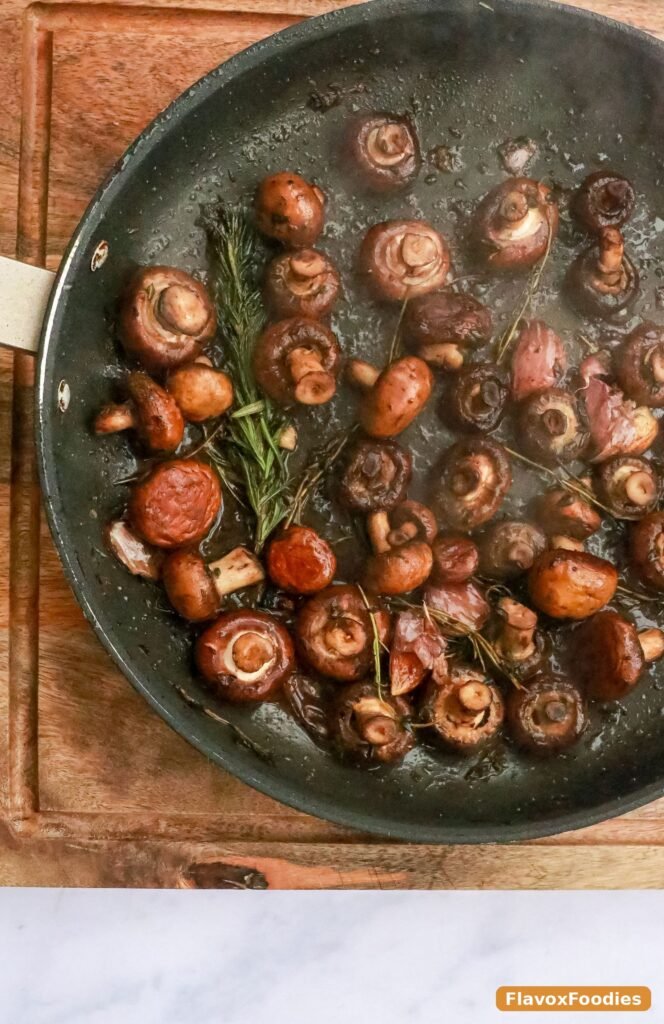
Let the mushrooms cook without moving them for three to four minutes, until the undersides are golden brown. Then stir them and cook for another three to four minutes, until they are browned all over and have shrunk to about half their original size. This step takes patience, and it is the most important part of the recipe. Mushrooms release a lot of water as they cook, and if you stir them too often, they will sit in their own liquid and never brown properly. Let them sit, let the water evaporate, and let the edges catch a little colour. When they are properly browned, they taste completely different from mushrooms that have just been steamed — deeper, richer, almost meaty.
Push the mushrooms to one side of the pan and add the chopped onion to the empty space. Cook the onion for three to four minutes, stirring occasionally, until it is soft and translucent. Then add the garlic and the thyme, and cook for just one minute, until the garlic smells fragrant. Garlic burns quickly, so do not walk away at this point. Stir everything together, and you should have a pan full of golden mushrooms, soft onions, and fragrant garlic. It will smell wonderful.
Now pour in the stock, scraping the bottom of the pan as you go. Those browned bits stuck to the bottom are pure flavour, and you want them in your sauce, not scrubbed off. Bring the stock to a gentle simmer, then add the pasta. Push the pasta down into the liquid so it is mostly submerged — it does not need to be completely covered at first, because it will soften and sink as it cooks. Turn the heat down to medium-low, put a lid on the pan, and let the pasta cook for about ten minutes, stirring every couple of minutes so it does not stick together or catch on the bottom.
After ten minutes, take the lid off and check the pasta. It should be nearly tender, with most of the stock absorbed. If there is still a lot of liquid, let it simmer uncovered for another couple of minutes. If the pasta is already dry and still firm, add a splash of stock or water. When the pasta is almost done — still a little firm in the centre — stir in the cream, the Parmesan, and the Dijon mustard if you are using it. The sauce will turn silky and golden. Let it simmer gently for two to three minutes, stirring, until the pasta is tender and the sauce coats the strands thickly. Taste it and add salt and pepper as needed. A squeeze of lemon juice at the end brightens everything, but it is optional — try it and see what you think.
Take the pan off the heat, stir in the chopped parsley, and serve immediately, with extra Parmesan on the table. This is a dish that does not wait well — the pasta keeps absorbing the sauce as it sits, and after ten minutes it will be noticeably thicker. Serve it straight from the pan, while the sauce is still silky and the pasta is hot.
Tips for the Best Mushroom Pasta
Brown the mushrooms properly, and do not rush them. This is the single most important detail in the recipe, and it is the one people are most tempted to skip. Mushrooms need space, heat, and time to brown. If you crowd the pan, they steam. If you stir them constantly, they never get hot enough to brown. If you take them out too early, they taste watery and bland. Give them a hot pan, a single layer, and four minutes without touching them, and they will reward you with a deep, savoury flavour that makes the whole dish. If you are looking for more ways to cook mushrooms well, browning them in butter with garlic is the same technique used in a pan-cooked chicken dish, and it works just as well there.
Stir the pasta regularly while it cooks. Pasta cooked in a pan of sauce has a tendency to stick together and catch on the bottom, especially in the first few minutes before it softens. Stir it every couple of minutes, scraping the bottom of the pan gently, and you will not have any trouble. A wooden spoon is ideal for this — it is gentle on the pan and it reaches into the corners where pasta likes to hide. If you are using long pasta, you may need to break it in half to fit it in the pan. That is fine — nobody will mind, and it makes the pasta much easier to stir and serve.
Add the cream at the end, not the beginning. Cream that simmers for a long time can split or turn grainy, especially if the heat is too high. By adding it in the last few minutes, you get all of the richness without any of the risk. The same goes for the Parmesan — add it off the heat or on very low heat, and stir it in gradually so it melts smoothly into the sauce instead of clumping. If your sauce does split, take the pan off the heat and whisk in a splash of cold cream or a knob of butter. It will usually come back together.
Taste and adjust before you serve. Pasta dishes need a good amount of salt, and the amount depends on your stock, your cheese, and your own taste. Taste the sauce once the pasta is nearly done, and add salt a little at a time. A squeeze of lemon juice at the end is worth trying, too — it does not make the pasta taste lemony, it just lifts the flavours and stops the cream from feeling heavy. And do not forget the black pepper. Freshly ground pepper makes a real difference in a creamy sauce, and a generous amount is rarely a mistake.
Serve it immediately. This is not a dish that improves with waiting. The pasta continues to absorb the sauce as it sits, and after ten minutes it will be thick and stodgy instead of silky. Have your bowls ready, put the pan on the table, and serve it straight away. If you do need to hold it for a few minutes, stir in a splash of stock or hot water to loosen the sauce before you serve it. It is a small thing, but it makes a real difference.
Variations to Try
For a spinach version, stir in two large handfuls of fresh baby spinach at the same time as the cream. It will wilt into the sauce in about a minute, adding colour and a fresh flavour that balances the richness of the cream. This is a good way to get some greens into a pasta dinner without any extra work, and it makes the dish feel a little lighter. If you like spinach with creamy sauces, this creamy garlic chicken with spinach uses the same pairing in a chicken dish.
For a chicken version, add sliced cooked chicken to the pan with the cream. Leftover roast chicken is perfect for this, or you can cook a couple of chicken breasts in the pan before you start the mushrooms, then slice them and add them back at the end. The chicken makes the dish heartier, and it is a good way to use up leftovers. If you want a chicken pasta that cooks in one pan from the start, this one-pan lemon butter chicken and green beans is a different one-pan dinner with the same easy method.
For a spicy version, add a pinch of red pepper flakes with the garlic, and finish the dish with a little extra black pepper. The heat sits in the background and gives the sauce a gentle warmth without overpowering the mushrooms. A teaspoon of smoked paprika also adds a lovely depth. If you are cooking for children, leave the spice out and let people add chilli oil at the table instead.
For a lighter version, use half the cream and replace the rest with stock, and use a little less Parmesan. The sauce will be thinner and less rich, but the mushrooms will still give it plenty of flavour. You can also add a handful of peas or some asparagus tips for freshness. Serve it with a big salad instead of bread, and it becomes a perfectly reasonable weeknight dinner that still feels like a treat. The technique stays the same, and the result stays good. This creamy mushroom pasta from RecipeTin Eats shows a similar approach with a slightly different method.
Serving Ideas
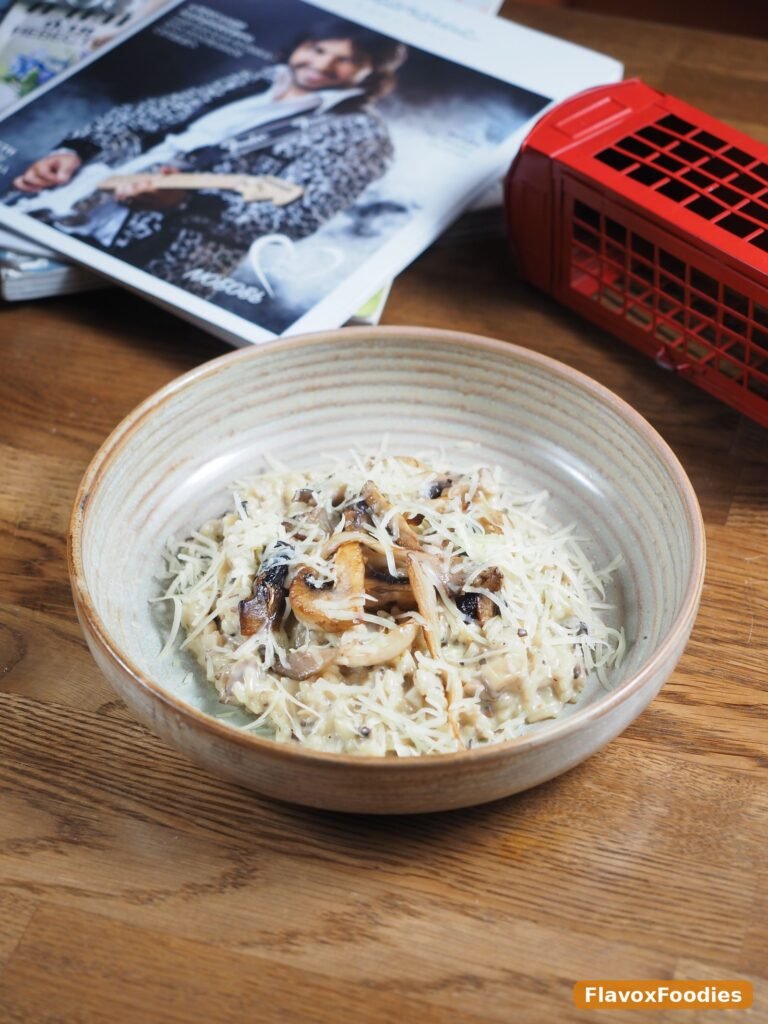
This pasta is a complete meal on its own, but it benefits from a little something fresh on the side. A simple green salad with a sharp vinaigrette is the perfect contrast to the rich, creamy sauce — the acidity cuts through the cream and cleanses the palate between bites. Crusty bread is also worth having on the table, not because the pasta needs it, but because the sauce is too good to leave in the pan. A slice of good bread for mopping up the last of the sauce is one of the great pleasures of a pasta dinner.
For a heartier meal, serve the pasta with a piece of grilled chicken or a few slices of garlic bread on the side. The garlic bread is particularly good, because it echoes the garlic in the sauce and gives you something crisp to contrast with the soft pasta. If you are cooking for guests, you can serve the pasta family-style from the pan, with a bowl of salad and a basket of bread, and let everyone help themselves. It is the kind of meal that makes people linger at the table.
This is also a good dish for a quick lunch the next day, if there is any left. The pasta will have absorbed most of the sauce overnight, so stir in a splash of milk or stock when you reheat it, and it will loosen up nicely. It is not quite as silky as it was fresh, but the flavour is still excellent, and it makes a much better lunch than a sandwich. If you are looking for another one-pan dinner for the same kind of night, this one-pan cheesy chicken and rice cooks in a single pan with the same easy method.
Leftovers can also be turned into a baked pasta. Put the cold pasta in a baking dish, top it with extra Parmesan and a handful of breadcrumbs, and bake it at 190°C (375°F) for fifteen to twenty minutes, until the top is golden and crisp. It is a completely different dish from the original — crunchy on top, creamy underneath — and it is a wonderful way to make leftovers feel like a new meal rather than a repeat.
Storage and Reheating
Leftover mushroom pasta keeps in the fridge for two to three days in an airtight container. Let it cool completely before you put it away, and do not leave it sitting out on the counter for more than a couple of hours. The pasta will absorb the sauce as it sits, so it will look thicker and drier when you take it out of the fridge. That is normal, and it is easy to fix when you reheat it.
To reheat, put the pasta in a pan over low heat with a splash of milk, cream, or stock, and warm it gently, stirring often, until it is hot all the way through. The added liquid will loosen the sauce back to a silky consistency. The microwave works too, but the stovetop is better, because you can control the heat and stir the sauce so it stays smooth. Heat it in short bursts if you use the microwave, and stir between each burst. Do not reheat it on high heat, or the sauce can split and the pasta can turn rubbery.
You can freeze mushroom pasta, but the texture will not be quite the same when it thaws. Cream sauces can separate when frozen, and pasta can go soft. If you do freeze it, cool it completely first, pack it in a freezer-safe container, and use it within a month. Thaw it overnight in the fridge, then reheat it gently on the stove with a splash of cream or stock, stirring well. It will not be as silky as it was fresh, but it will still taste good, especially if you stir in a little extra Parmesan at the end.
Frequently Asked Questions
Can I use any type of mushroom?
Yes, and a mix is best. Chestnut mushrooms have the deepest flavour and hold their shape well, button mushrooms are mild and widely available, and shiitake or oyster mushrooms add a more interesting texture. You can use any combination, or just one type if that is what you have. Avoid very delicate mushrooms like enoki, which disappear into the sauce, and avoid dried mushrooms unless you rehydrate them first. Whatever you choose, slice them evenly so they cook at the same rate, and do not wash them under the tap — wipe them clean instead, so they do not absorb water.
Why is my sauce too thin?
The most common reason is too much liquid, or not enough simmering time. The sauce thickens as the pasta cooks and releases starch into it, so give it the full cooking time before you judge it. If the sauce is still thin at the end, take the lid off and let it simmer uncovered for a few more minutes — the extra time will reduce and thicken it. You can also stir in a little more Parmesan, which thickens the sauce as it melts. If you added the cream too early, the sauce may have thinned out; next time, add it in the last few minutes. For a similar technique with a different sauce, this one-pan creamy garlic shrimp pasta shows how the same one-pan method works with seafood.
Can I make this pasta without cream?
Yes, you can, though the sauce will be lighter. Replace the cream with an equal amount of stock and stir in an extra handful of Parmesan at the end — the cheese will give the sauce body and richness. You can also use crème fraîche instead of cream, which is slightly tangier and holds up better to heat. Or use whole milk, but add it at the very end and do not let the sauce boil, or it can split. The mushrooms provide most of the flavour in this dish, so even a lighter version will still taste wonderful.
How do I stop the pasta from sticking together?
Stir the pasta every couple of minutes while it cooks, especially in the first five minutes before it softens. A wooden spoon works well, and a little olive oil stirred in with the stock helps too. Make sure there is enough liquid in the pan — the pasta should be mostly submerged. If the pan looks dry, add a splash of stock. Using a wide pan helps, because the pasta can spread out in a single layer instead of clumping together. Short pasta shapes like penne and fusilli stick less than long pasta, so if sticking is a worry, choose a short shape.
Can I add protein to this pasta?
Yes, and it adapts well. Sliced cooked chicken, stirred in with the cream, is the most popular option — leftover roast chicken is perfect. Cooked shrimp also works beautifully, added in the last two minutes so it does not overcook. For a vegetarian option, add a tin of drained chickpeas with the pasta, or stir in some white beans at the end. Crispy bacon or pancetta, cooked with the mushrooms, adds a salty, smoky note that is wonderful with the cream sauce. Any of these will make the dish heartier without changing the method.
What pasta shape works best?
Long pasta like tagliatelle or fettuccine is my first choice, because the strands tangle together and hold the sauce well, and they look beautiful on the plate. Short pasta like penne, fusilli, or rigatoni is also excellent, and it is easier to serve and eat, especially for children. What you want to avoid is very small pasta like orzo, which can overcook quickly in the pan, and very thin pasta like angel hair, which turns to mush. Whatever shape you choose, check the packet cooking time and add a couple of minutes, because pasta cooked in sauce takes a little longer than pasta cooked in boiling water.