

There is something about a good crab cake that feels like a small celebration. It is crisp on the outside, tender and sweet on the inside, and it tastes like the kind of thing you would order in a restaurant by the sea, not something you would make on a Tuesday night in your own kitchen. For years I assumed crab cakes belonged firmly in the first category — a treat for eating out, not for cooking at home. Then I tried making them in the air fryer, and everything changed. They came out golden and crunchy with barely any oil, the kitchen stayed clean, and the whole thing took about half an hour from start to finish.
I first tried this on a whim, after finding a tub of lump crab meat on offer at the supermarket. I had never cooked with crab meat before, and I was honestly a little nervous. Crab cakes have a reputation for falling apart, and I had visions of a pan full of sad little crumbs. But I had read enough to know the two rules that matter most: do not overmix the crab, and chill the patties before you cook them. I followed those two rules, shaped eight little cakes, and slid them into the air fryer. Ten minutes later I had the best crab cakes I had ever eaten at home — crisp edges, soft centres, and that sweet, delicate crab flavour shining through instead of being buried under batter and grease.
What I love most about this version is the remoulade. It is a creamy, tangy sauce made from mayonnaise, mustard, lemon, and a few punchy extras, and it takes about two minutes to stir together. It is the perfect partner for the cakes — cool and sharp against the warm, crisp crab. You can make it while the patties chill in the fridge, and it keeps for days, so you can use the leftovers on sandwiches and salads all week. If you have never made remoulade before, do not be put off by the name. It is really just a posh name for a flavoured mayonnaise, and once you have made it, you will wonder why you ever bought the jarred stuff.
This is also a recipe that looks far more impressive than it is. If you are cooking for friends, or you want a starter that makes people sit up and take notice, crab cakes are a wonderful choice. They feel special and a little bit fancy, but there is nothing complicated about them. You mix, you shape, you chill, and the air fryer does the rest. I will walk you through every step, including the small details that make the difference between a crab cake that holds together beautifully and one that crumbles the moment you touch it. Once you have made these, you will find yourself looking for excuses to make them again.
Why You’ll Love These Air Fryer Crab Cakes
The first reason is the flavour. A good crab cake should taste of crab first and everything else second. Too many recipes bury the crab under breadcrumbs, heavy batter, or too much seasoning, and you end up eating a generic fried patty that could be made of anything. This recipe uses just enough binder to hold the cakes together and lets the sweet, delicate flavour of the crab do the talking. A little lemon zest, a little Old Bay seasoning, some spring onion and parsley for freshness, and that is really all the crab needs. The result is a cake that tastes of the sea, not of the frying pan.
The second reason is the air fryer itself. Traditional crab cakes are shallow-fried in oil, which works, but it is messy, and it is easy to end up with cakes that are greasy on the outside before they are properly hot in the middle. The air fryer gives you a crisp, golden crust with just a light spray of oil, and the hot air cooks the cakes evenly all the way through. There is no oil splattering on the hob, no jug of used oil to deal with afterwards, and no greasy smell lingering in the kitchen. You just spray the basket, lay the cakes in, and let the air fryer do its work. If you are new to air frying seafood, this one-pan creamy garlic shrimp pasta uses the same gentle approach to seafood, and it is another good way to see how well the air fryer treats delicate fish and shellfish.
The third reason is how quick this is. From the moment you open the tub of crab meat to the moment you sit down to eat, you are looking at about thirty minutes, and most of that is chilling time while the patties firm up in the fridge. The actual hands-on work is ten minutes of mixing and shaping, and then the air fryer takes over. That makes these cakes a realistic weeknight dinner, not just a weekend project. And if you want to compare approaches, this BBC Good Food crab cake collection shows how many different ways there are to make them — the air fryer version here is the quickest of the lot.
And finally, these cakes are endlessly useful. Serve two as a starter with a little salad, or serve three or four as a main course with chips and slaw. Make them small and they become perfect party food, the kind of thing people hover around at a gathering. Make them bigger and tuck them into a brioche bun with lettuce and remoulade, and you have a crab cake sandwich that beats anything you will buy in a café. However you serve them, they feel like a treat, and they cost a fraction of what a restaurant would charge.
Ingredients You’ll Need
You do not need a long shopping list for this recipe, and that is part of its charm. The crab meat is the star, and everything else is there to support it. Here is what you will need, and why each thing matters.
- 450g lump crab meat, drained and picked over
- 80g panko breadcrumbs, plus extra for coating
- 60g mayonnaise
- 1 large egg, lightly beaten
- 1 tablespoon Dijon mustard
- 1 teaspoon Worcestershire sauce
- 1 teaspoon Old Bay seasoning
- 2 spring onions, finely chopped
- 2 tablespoons fresh parsley, finely chopped
- 1 teaspoon lemon zest, plus 1 tablespoon lemon juice
- Salt and black pepper, to taste
- Olive oil spray, for the air fryer basket
For the remoulade sauce:
- 120g mayonnaise
- 1 tablespoon Dijon mustard
- 1 tablespoon lemon juice
- 1 teaspoon capers, finely chopped
- 1 teaspoon hot sauce, or to taste
- 1 small garlic clove, finely grated
- ½ teaspoon smoked paprika
- Salt and black pepper, to taste
The crab meat deserves a moment of attention, because it makes or breaks this dish. Lump crab meat is the best choice — it has large, sweet pieces that give the cakes their texture and flavour. Claw meat is cheaper and darker, and it works, but the flavour is stronger and the pieces are smaller, so the cakes will be less delicate. Fresh crab meat from the fish counter is wonderful if you can get it, but good-quality pasteurised crab meat in a tub is perfectly fine and much easier to find. Avoid tinned crab meat if you can — it tends to be watery and stringy, and it will make the cakes soggy. Whatever you buy, pick through it carefully with your fingers before you start, and remove any small pieces of shell or cartilage. It only takes a minute, and nobody wants to bite down on a piece of shell.
The panko breadcrumbs matter more than you might think. Panko is lighter and flakier than ordinary breadcrumbs, and it gives the cakes a crisp, delicate coating instead of a heavy, bready one. You only need a small amount inside the mixture — just enough to bind it together — and a light coating on the outside for crunch. If you only have ordinary breadcrumbs, they will work, but use a little less, because they absorb more moisture and can make the cakes dense. And do not be tempted to add more breadcrumbs than the recipe says. More binder does not make the cakes hold together better — it makes them heavy and bready, and it buries the flavour of the crab.
Old Bay seasoning is the classic American spice blend for crab cakes, and it is worth tracking down if you can. It is a mix of celery salt, paprika, mustard, black pepper, and a few other warm spices, and it gives the cakes that unmistakable seaside flavour. If you cannot find it, you can make a reasonable substitute with half a teaspoon of paprika, a pinch of celery salt, a pinch of mustard powder, and a pinch of cayenne pepper. It will not be exactly the same, but it will be close. The lemon zest is just as important — it brightens the whole mixture and stops the cakes from tasting rich or heavy. Use a fresh lemon, not bottled juice, because the zest is where most of the flavour lives.
How to Make Air Fryer Crab Cakes
Start by picking through the crab meat and putting it in a large bowl. Take your time with this step — run your fingers gently through the meat and pull out any bits of shell or cartilage you find. Then, in a separate smaller bowl, whisk together the mayonnaise, the beaten egg, the Dijon mustard, the Worcestershire sauce, the Old Bay seasoning, the lemon zest and juice, and a good pinch of salt and pepper. Stir in the chopped spring onions and parsley. This wet mixture is your binder, and making it separately means you can mix it properly without breaking up the crab.
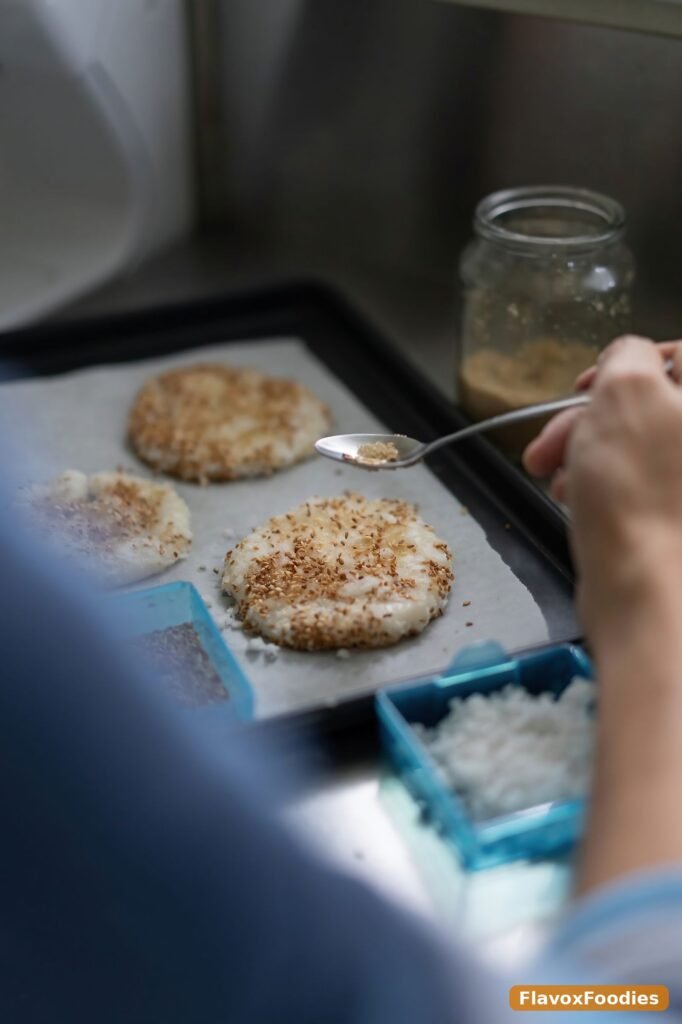
Now pour the binder over the crab meat, add the panko breadcrumbs, and fold everything together very gently with a spatula or a large spoon. Use a folding motion — scoop from the bottom of the bowl and turn the mixture over on itself — rather than stirring in circles. You want the crab to stay in nice big lumps, not break down into shreds. The mixture should just hold together when you squeeze a handful of it. If it feels too wet, add a tablespoon more panko. If it feels too dry and crumbly, add a teaspoon more mayonnaise. Do not keep mixing once it comes together — every extra stir makes the cakes denser.
Divide the mixture into eight equal portions and shape each one into a patty about 7cm across and 2cm thick. Cup the mixture gently in your hands and press it together, then flatten it slightly. Do not pack the patties too tightly — a gentle press is enough, and a looser patty cooks up lighter and more tender. Lightly coat each patty in the extra panko, pressing the crumbs on gently so they stick. Place the patties on a plate lined with baking paper, cover them, and put them in the fridge for at least 20 minutes. This chilling step is the single most important thing you can do for your crab cakes. It firms up the binder, so the patties hold their shape in the air fryer instead of spreading or crumbling.
While the patties chill, make the remoulade. Put all the remoulade ingredients in a small bowl and stir them together until smooth. Taste it and adjust — a little more lemon juice if you want it sharper, a little more hot sauce if you want it spicier, a pinch more salt if it tastes flat. Cover it and put it in the fridge too. It will keep for up to five days, and the flavours actually improve after a few hours, so you can make it well ahead of time if you like.
When you are ready to cook, preheat the air fryer to 200°C (400°F) for three minutes. Lightly spray the air fryer basket with olive oil, and place the crab cakes in a single layer, leaving a little space between them so the hot air can circulate. Spray the tops of the cakes lightly with oil as well — this is what gives you that golden, crisp crust. Cook for 10 to 12 minutes, flipping the cakes gently halfway through, until they are deep golden brown on both sides and hot all the way through. Work in batches if your air fryer is small, and do not crowd the basket — crowded cakes steam instead of crisping. Serve immediately, with the remoulade and lemon wedges on the side.
Tips for the Best Crab Cakes
Do not overmix the crab. This is the rule I mentioned earlier, and it is worth repeating, because it is the difference between a light, delicate crab cake and a dense, rubbery one. Crab meat is already cooked, so it does not need to be worked or kneaded — it just needs to be held together. Fold the binder in gently, stop as soon as the mixture comes together, and handle the patties with a light touch when you shape them. If you can still see distinct lumps of crab in the mixture, you are doing it right. If the mixture looks smooth and uniform, you have gone too far. This Tasty crab cakes recipe uses the same gentle folding method, and it is worth watching if you are making crab cakes for the first time and want to see how light the touch should be.
Chill the patties, and do not skip this step. I know it is tempting to go straight from shaping to cooking, especially when you are hungry, but twenty minutes in the fridge makes an enormous difference. The egg and mayonnaise firm up as they chill, the panko absorbs a little moisture, and the patties hold together properly in the heat of the air fryer. Without chilling, the cakes are much more likely to spread, crack, or fall apart when you flip them. If you are really short on time, ten minutes in the freezer will do the job almost as well — just do not forget them in there.
Do not overcrowd the air fryer basket. This is true for almost everything you cook in an air fryer, but it matters even more for crab cakes, because they need hot air flowing all around them to crisp up properly. If the cakes are touching each other, the sides where they touch will stay pale and soft, and the cakes may stick together when you try to flip them. Cook in two batches if you need to, and keep the first batch warm in a low oven at 120°C (250°F) while the second batch cooks. It is better to spend an extra ten minutes than to end up with soggy cakes.
Use a light hand with the oil spray. A quick spray on the basket stops the cakes from sticking, and a quick spray on top helps the panko turn golden and crisp. But too much oil will make the coating greasy and heavy, which defeats the whole point of using the air fryer. Two short sprays are enough. And if your air fryer has a non-stick basket that is in good condition, you may not need to spray the basket at all — just the tops of the cakes. Once you have the technique down, you will find the air fryer is just as useful for other things. These air fryer BBQ chicken thighs use the same light-oil, high-heat method, and they are another good weeknight favourite.
Check for doneness by colour and temperature, not by time alone. Air fryers vary, and a cake that is done in ten minutes in one machine might need twelve in another. Look for a deep golden-brown crust on both sides, and if you have a food thermometer, the centre should read at least 74°C (165°F). The cakes should feel firm when you press them gently, not soft or wobbly. If they are browning too quickly on the outside, turn the temperature down to 190°C (375°F) for the last few minutes. If they are pale after ten minutes, give them another two minutes — they will catch up.
Variations to Try
For a spicy version, add a finely chopped red chilli or a teaspoon of sriracha to the binder, and a pinch of cayenne pepper to the panko coating. The heat sits in the background and gives the cakes a gentle warmth without overpowering the sweetness of the crab. Serve them with the remoulade as usual, but add an extra dash of hot sauce to the sauce as well. This version is particularly good as party food, because the spice makes people reach for another one.
For mini crab cakes, shape the mixture into sixteen small patties instead of eight large ones, and reduce the cooking time to seven or eight minutes. These are perfect as a starter for a dinner party, or as finger food at a gathering — serve them on a platter with a bowl of remoulade in the middle and a pile of cocktail sticks, and watch them disappear. The smaller size also makes them a good option for children, who often prefer a small cake they can pick up and dip.
For a lighter version, replace half of the mayonnaise in the binder with plain Greek yoghurt, and use wholemeal panko if you can find it. The cakes will be slightly tangier and a little less rich, but they will still hold together well and taste wonderful. You can also serve them over a big salad instead of with chips, which makes the whole meal feel lighter without losing any of the pleasure. If you like creamy sauces but want something different from remoulade, a simple garlic and herb yoghurt dip works beautifully too — the same kind of creamy pairing you find in this creamy garlic chicken with spinach, where the sauce does the same job of balancing a rich main dish.
For a gluten-free version, use gluten-free panko breadcrumbs, which are widely available now, and check that your Worcestershire sauce is gluten-free — most are, but it is worth checking the label. The rest of the ingredients are naturally gluten-free. The cakes will taste exactly the same, and nobody at the table will know the difference unless you tell them.
For a different flavour altogether, try adding a tablespoon of finely chopped fresh dill and a teaspoon of capers to the binder, and serve the cakes with a simple lemon and herb yoghurt sauce instead of remoulade. The dill gives the cakes a fresh, Scandinavian feel, and they are lovely served with rye bread and pickled cucumber. Or add a teaspoon of curry powder and a little chopped coriander for an Indian-inspired version, served with a mango chutney on the side. Once you have the basic technique, you can take the flavour in almost any direction you like.
Serving Ideas
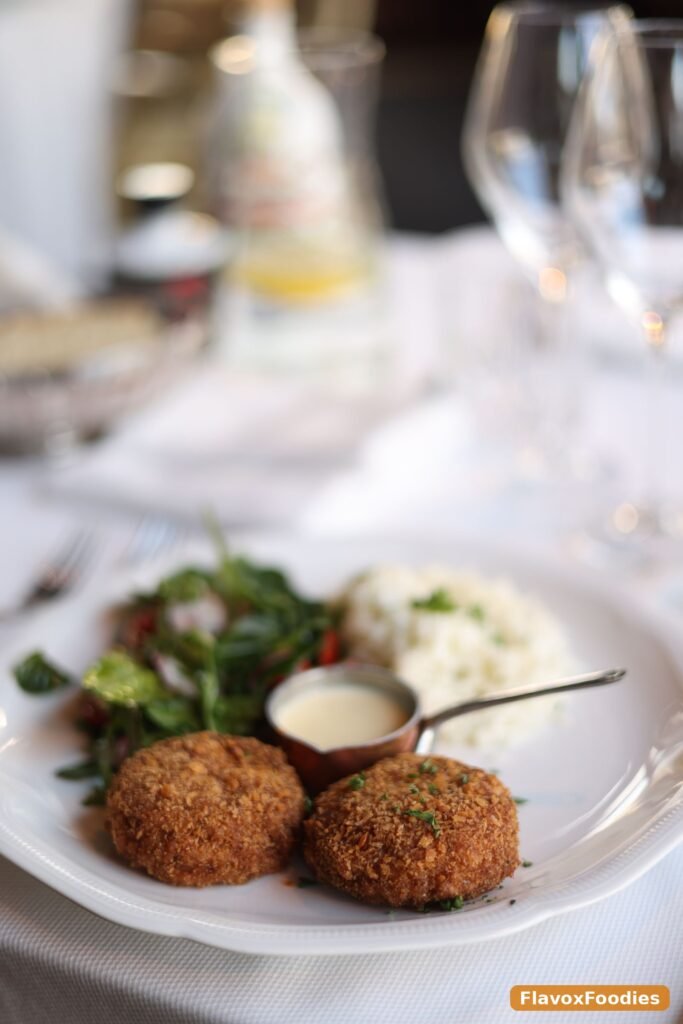
The classic way to serve crab cakes is as a starter, two cakes on a small plate with a spoonful of remoulade, a lemon wedge, and a little pile of dressed leaves. It is simple, it looks elegant, and it lets the crab be the star. A handful of peppery rocket with a sharp lemon vinaigrette is the perfect contrast to the rich, crisp cakes, and it takes about two minutes to put together. If you want to make the starter feel a little more substantial, add a few slices of good bread for mopping up the remoulade.
As a main course, crab cakes go beautifully with chips and a crunchy coleslaw. The chips give you something salty and crisp to contrast with the soft, sweet crab, and the coleslaw adds freshness and crunch. Sweet potato fries are a good alternative to regular chips, and they echo the sweetness of the crab in a way that works surprisingly well. A simple corn on the cob, brushed with butter and sprinkled with a little smoked paprika, is another easy side that feels like summer.
For something a bit more special, serve the crab cakes surf-and-turf style alongside a piece of grilled or roasted meat. It sounds unusual, but the combination of sweet crab and savoury meat is a classic for a reason, and it turns an ordinary dinner into something that feels like an occasion. These maple-glazed chicken drumsticks are a good partner — the sweet, sticky glaze works beautifully with the tangy remoulade, and the drumsticks are easy enough to cook while the crab cakes chill in the fridge.
And do not overlook the crab cake sandwich. Take a soft brioche bun, spread it generously with remoulade, add a crab cake, a leaf of lettuce, and a slice of tomato, and you have one of the best sandwiches you will ever eat. It is the kind of lunch that makes an ordinary day feel like a holiday, and it is a wonderful way to use up leftover cakes the next day. Serve it with a handful of crisps and a cold drink, and you will not need anything else.
Storage and Reheating
Leftover cooked crab cakes keep in the fridge for two days in an airtight container. Let them cool completely before you put them away, and put a sheet of baking paper between the layers if you are stacking them, so they do not stick together. The remoulade will keep for up to five days in the fridge in a sealed jar or container — give it a good stir before you use it, because the oil can separate slightly as it sits.
To reheat cooked crab cakes, the air fryer is by far the best method. Preheat it to 180°C (350°F), lay the cakes in a single layer, and cook for three to four minutes, until they are hot all the way through and the outside is crisp again. The microwave will heat them through, but it will also make the coating soft and soggy, so it is worth the extra few minutes to use the air fryer. You can also reheat them in a hot oven at 200°C (400°F) for six to eight minutes, on a baking tray lined with paper.
Uncooked crab cake patties freeze very well, and this is my favourite way to keep them. Shape the patties, coat them in panko, and lay them on a baking tray lined with paper. Put the tray in the freezer for an hour, until the patties are firm, then transfer them to a freezer bag or container with sheets of baking paper between the layers. They will keep for up to a month. Cook them straight from frozen — just add three or four minutes to the cooking time, and check that the centre is hot before you serve them. It is a wonderful feeling to know you have a batch of crab cakes in the freezer, ready for a quick dinner whenever you want one.
Do not freeze cooked crab cakes if you can avoid it. They will still be safe to eat, but the texture suffers — the coating goes soft when it thaws, and the crab inside can turn a little rubbery. If you do have cooked cakes left over that you cannot eat within two days, it is better to crumble them into a salad or a pasta dish than to freeze them. The flavour is still good, and you will get a much better meal out of them that way.
Frequently Asked Questions
Can I use tinned crab meat for these crab cakes?
You can, but I would not recommend it if you have a choice. Tinned crab meat tends to be watery and stringy, and it has a much weaker flavour than fresh or pasteurised lump crab meat. If you do use it, drain it very well, press it gently in a sieve to remove as much liquid as possible, and add an extra tablespoon of panko to the mixture to absorb the moisture. The cakes will still be tasty, but they will not be as delicate or as sweet as cakes made with lump crab meat. If fresh crab meat is hard to find where you live, look for pasteurised crab meat in tubs in the chilled fish section — it is a much better option than tinned, and it is widely available.
Why did my crab cakes fall apart?
The most common reason is that the patties were not chilled long enough before cooking. The binder needs time to firm up in the fridge, and if you skip the chilling step, the cakes are much more likely to spread or crumble in the heat. The second most common reason is overmixing — if you stir the crab too vigorously, the lumps break down and the mixture loses its structure. And the third reason is too much liquid in the mixture, usually from crab meat that was not drained properly. If your mixture feels very wet, add a little more panko, a tablespoon at a time, until it just holds together when squeezed. Next time, make sure you drain the crab meat well and chill the patties for the full twenty minutes.
Do I really need to chill the mixture before cooking?
Yes, and it is the single most important step in the whole recipe. Chilling firms up the egg and mayonnaise in the binder, lets the panko absorb a little moisture, and helps the patties hold their shape in the air fryer. Without chilling, the cakes are far more likely to spread out, crack, or fall apart when you flip them. Twenty minutes in the fridge is enough, but you can chill them for up to a day if you want to get ahead — just cover the plate tightly so the patties do not dry out. If you are really short on time, ten minutes in the freezer will do almost as well. Do not skip this step.
Can I make these crab cakes ahead of time?
Yes, and they are a great make-ahead dish. You can shape the patties and keep them in the fridge, covered, for up to 24 hours before cooking. You can also freeze the uncooked patties for up to a month — freeze them on a tray first, then transfer them to a freezer bag with baking paper between the layers. Cook them straight from frozen, adding three or four minutes to the cooking time. The remoulade can be made up to five days ahead and kept in the fridge in a sealed container. This makes crab cakes a wonderful option for a dinner party, because you can do all the work in advance and just cook them when your guests arrive.
What can I use instead of Old Bay seasoning?
Old Bay is the classic seasoning for crab cakes, but if you cannot find it, you can make a good substitute at home. Mix half a teaspoon of paprika, a pinch of celery salt, a pinch of mustard powder, a pinch of cayenne pepper, and a pinch of black pepper. That will give you a similar warm, savoury flavour. You can also use a Cajun seasoning blend, which has a similar profile with a little more heat, or a seafood seasoning from your supermarket’s spice aisle. Just avoid anything with a very strong single flavour, like a pure chilli powder or a curry powder, because it will overpower the delicate taste of the crab. And remember that the lemon zest and the fresh herbs are doing a lot of the flavour work too, so even a simple seasoning will still give you a delicious cake.
Can I bake these crab cakes instead of using an air fryer?
Yes, you can, though the texture will be slightly different. Preheat your oven to 220°C (425°F), place the crab cakes on a baking tray lined with paper, spray them lightly with oil, and bake for 12 to 15 minutes, flipping them gently halfway through, until they are golden brown and hot all the way through. They will be a little less crisp than the air fryer version, because the hot air in an air fryer circulates more intensely, but they will still be delicious. You can also shallow-fry them in a pan with a little oil for three to four minutes per side, which gives a lovely golden crust — just be gentle when you flip them, and do not crowd the pan.