
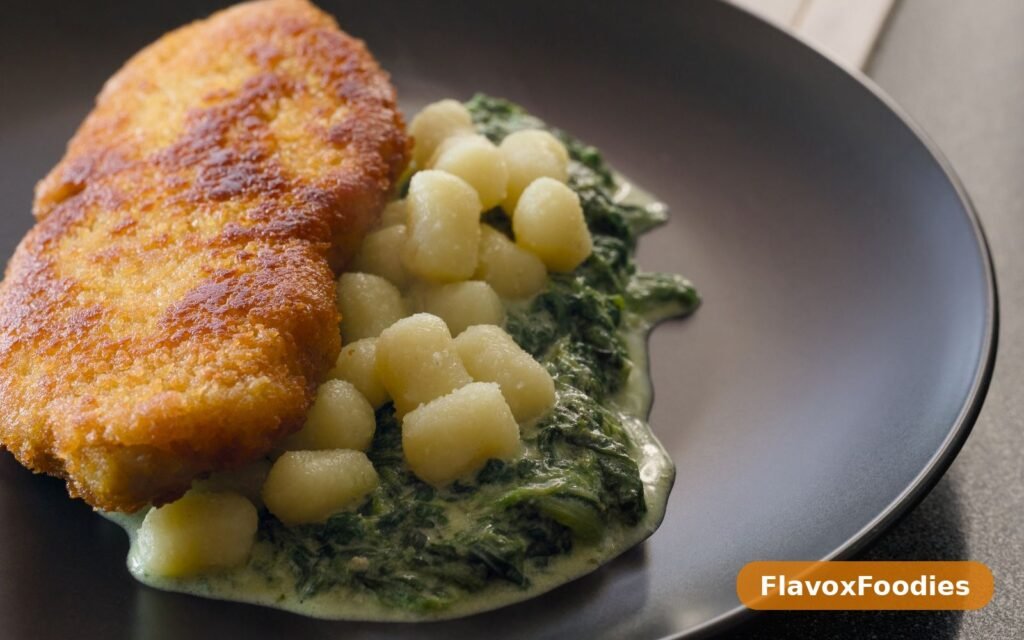

There is a particular kind of comfort that only a creamy pan sauce can provide. It is the dinner you want after a long day, when you are tired and a little bit cold and you need something warm, rich, and reassuring on the plate. This creamy garlic chicken with spinach is exactly that dinner. Tender chicken breasts, golden from the pan, simmered in a silky garlic cream sauce with handfuls of fresh spinach wilting gently into it — it is simple, it is generous, and it tastes like far more effort than it actually takes.
I have made this recipe more times than I can count, and it never fails to please. It is the one I reach for when I want dinner to feel like a treat without spending the evening in the kitchen, and it is the one I make when friends come over and I want them to think I have been cooking for hours. The truth is, it takes about thirty minutes from start to finish, and most of that is the chicken cooking quietly in the pan while I set the table and make a side dish. There is something deeply satisfying about a recipe that gives you so much for so little work.
The sauce is the heart of this dish, and it is worth understanding how it works, because once you do, you can make it again and again with confidence. It starts with the browned bits left in the pan after searing the chicken — those little golden pieces are concentrated flavour. A splash of stock lifts them off the pan, garlic and a little cream go in, and suddenly you have a sauce that is rich, smooth, and deeply savoury. The spinach wilts into it at the end, adding colour and a gentle freshness that keeps the richness from becoming too heavy. A squeeze of lemon at the finish brightens everything up, and a shower of Parmesan, if you like, adds a salty depth that ties it all together.
What I love most about this recipe is that it feels indulgent while still being a perfectly reasonable weeknight dinner. The spinach means there is a proper vegetable built right into the dish, not sitting sadly on the side, and the sauce is rich but not overwhelming, especially if you serve it with something simple like pasta or rice to catch every last drop. It is the kind of meal that makes an ordinary evening feel a little bit special, and that, to me, is what good home cooking is all about.
Why You’ll Love This Creamy Garlic Chicken
The first thing you will notice is how good it smells. Garlic warming in butter, chicken browning in the pan, cream bubbling gently — the kitchen fills with a smell that is warm and inviting, the kind that makes people wander in and ask what is for dinner. That alone is worth making it for. But the taste lives up to the smell. The sauce is creamy without being heavy, garlicky without being overpowering, and the spinach adds a fresh, green note that keeps everything balanced.
It is also a genuinely practical recipe. Everything happens in one pan, which means less washing up, and the whole thing is on the table in about half an hour. The ingredients are simple and mostly things you will already have — chicken, garlic, cream, stock, spinach, and a few seasonings. There is nothing exotic here, no ingredient you will have to hunt for in a specialist shop, and that is part of its appeal. Good cooking does not have to be complicated, and this recipe is proof of that.
Another reason to love it is how adaptable it is. If you do not have fresh spinach, frozen spinach works well too, as long as you thaw it and squeeze out the excess water first. If you want to make it lighter, you can use half cream and half milk, or swap the cream for a lighter alternative — the sauce will be a little thinner, but still delicious. If you want to make it richer, add a little more Parmesan, or a knob of butter swirled in at the end. The recipe bends to suit your mood and your cupboards, and that flexibility is what turns a good recipe into a regular one.
Finally, this is a dish that works for almost any occasion. It is comforting enough for a quiet night in, elegant enough for guests, and simple enough that you can make it when you are tired and not really in the mood to cook. Serve it over pasta for a hearty dinner, with mashed potatoes for pure comfort, or with crusty bread and a salad for something lighter. However you serve it, it will be welcomed.
Ingredients You’ll Need
Here is the full list. As always, a few notes on the ingredients that matter most, because small choices here make a real difference to the finished dish.
- 4 boneless, skinless chicken breasts (about 700g), pounded to even thickness
- 1 teaspoon fine sea salt, plus more to taste
- ½ teaspoon black pepper
- ½ teaspoon paprika
- 2 tablespoons olive oil
- 2 tablespoons unsalted butter
- 6 cloves garlic, thinly sliced
- 120ml chicken stock, low sodium if possible
- 240ml double cream (heavy cream)
- 50g Parmesan cheese, finely grated, plus extra to serve
- 150g fresh baby spinach, washed
- ½ teaspoon dried Italian herbs or dried thyme
- A pinch of chilli flakes (optional)
- Juice of half a lemon
- Fresh parsley, chopped, for serving
The cream is the ingredient that defines the sauce, so it is worth getting right. Double cream, or heavy cream as it is known in some countries, is the best choice because it is stable — it will not split or curdle when it simmers, even with a squeeze of lemon at the end. Single cream or half-and-half can work, but they are more delicate, and you will need to keep the heat very low and avoid boiling the sauce. If you only have single cream, add it at the very end, off the heat if possible, and warm it through gently rather than simmering it.
For the spinach, fresh baby spinach is ideal because it wilts quickly and has a mild, sweet flavour. You will be surprised how much it shrinks — 150 grams looks like a mountain in the bag, but it wilts down to almost nothing in the hot sauce, so do not be shy about adding the full amount. If you only have frozen spinach, thaw it completely and squeeze it very dry in a clean tea towel before adding it, or the sauce will become watery. And for the Parmesan, freshly grated is noticeably better than the pre-grated kind, which often contains anti-caking agents that can make a sauce grainy. If you can, grate it yourself — it takes a minute, and the sauce will be silkier for it.
How to Make Creamy Garlic Chicken with Spinach
The recipe follows a simple rhythm: sear the chicken, build the sauce in the same pan, then bring them back together. Once you have done it once, you will be able to do it without looking at the recipe. Here is the full method.
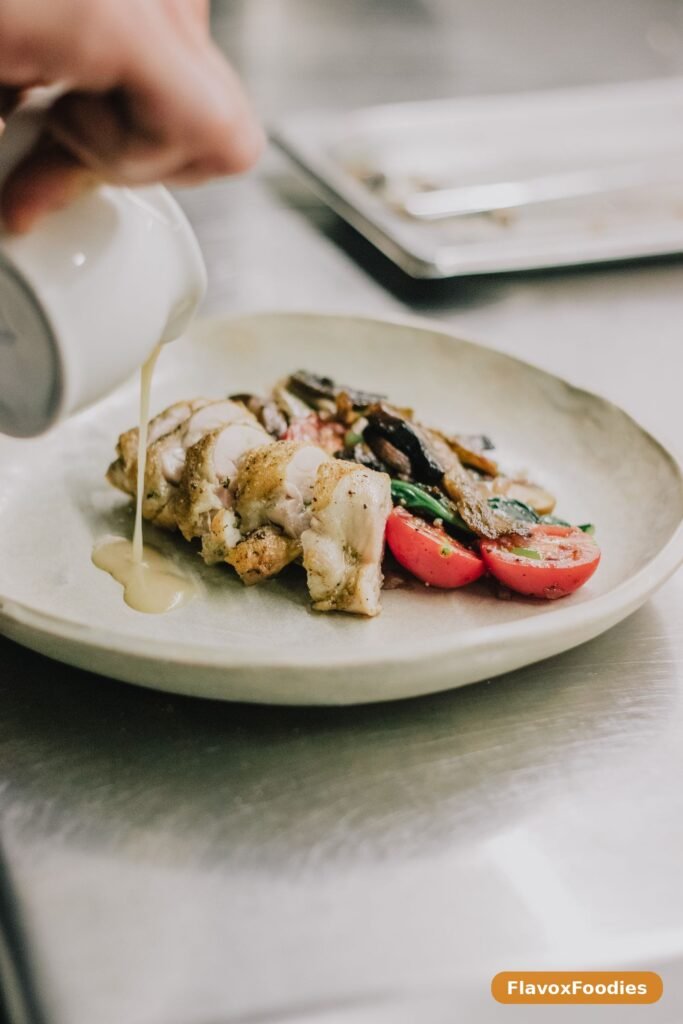
Start by preparing the chicken. Pat the breasts dry with paper towels and, if needed, even out the thickness by placing them between two sheets of cling film and gently tapping the thick end with a rolling pin. Season both sides with the salt, pepper, and paprika. This even thickness is important, because it means the chicken cooks at the same rate all the way through, and the thinner end does not dry out while the thicker end catches up. It is a small step, but it is the difference between chicken that is juicy throughout and chicken that is dry at one end.
Heat a large skillet over medium-high heat and add the olive oil. When the oil is hot and shimmering, lay the chicken breasts in the pan, leaving space between them. Cook undisturbed for five to six minutes, until the underside is a deep golden brown. Flip and cook the other side for another five minutes, until the chicken is nearly cooked through — it should reach about 74°C (165°F) at the thickest part, or be white through with clear juices if you are checking by cutting. Transfer the chicken to a plate and cover loosely with foil. It will finish cooking in the sauce, so do not worry if it is a touch under at this stage.
Turn the heat down to medium and add the butter to the same pan. When it has melted, add the sliced garlic and cook for about thirty seconds, stirring constantly, until it is fragrant and just starting to turn pale gold. Garlic burns quickly, so keep the heat moderate and do not walk away at this point. Add the chicken stock and use a wooden spoon to scrape up all the browned bits from the bottom of the pan. Let it bubble for two minutes, until it has reduced slightly.
Now pour in the cream and add the dried herbs and chilli flakes if you are using them. Stir well and let the sauce come to a gentle simmer — not a hard boil, just a lazy bubble around the edges. Let it cook for three to four minutes, stirring occasionally, until it has thickened slightly and coats the back of a spoon. Stir in the Parmesan a little at a time, letting each addition melt before you add more, and taste the sauce. Add a pinch of salt or pepper if it needs it.
Add the spinach to the pan in handfuls, stirring as it wilts. It will seem like a lot at first, but it collapses quickly — give it a minute or two, and it will all be folded into the sauce. Squeeze in the lemon juice, which brightens the sauce and keeps it from feeling too rich. Return the chicken to the pan, along with any juices on the plate, and spoon the sauce over the top. Let everything simmer gently together for three to four minutes, until the chicken is cooked through and the sauce is silky and clinging. Sprinkle with chopped parsley and extra Parmesan, and serve immediately.
Tips for a Silky, Smooth Sauce
A creamy sauce can be a little temperamental, but a few simple habits will keep yours smooth and silky every time. The most important is heat control. Cream does not like to be boiled hard — it can split, or become grainy, especially once you have added lemon juice or cheese. Keep the sauce at a gentle simmer, with small bubbles around the edges, rather than a rolling boil, and you will be fine. If the sauce ever looks like it is about to split, take the pan off the heat immediately and whisk in a small splash of cold cream; it will often come back together.
The second tip is about the Parmesan. Add it gradually, a small handful at a time, and let each addition melt fully before you add the next. If you dump it all in at once, it can clump together and make the sauce lumpy. Freshly grated Parmesan melts far more smoothly than pre-grated, so if you have a block, use it. And if your sauce ends up thicker than you would like, a splash of chicken stock or a little extra cream will loosen it beautifully — add it a tablespoon at a time until it reaches the consistency you want.
Another useful tip is to taste as you go. The stock, the Parmesan, and the salt you added to the chicken all contribute saltiness, so the sauce may not need much extra seasoning, or it may need a little more. Taste it after the cream has reduced and again after the Parmesan goes in, and adjust with salt, pepper, or lemon juice. Lemon juice is especially useful — a little at a time, tasting as you go, will lift the sauce without making it taste lemony. You are looking for brightness, not sourness.
Finally, do not overcook the spinach. It only needs a minute or two in the hot sauce to wilt completely. If you leave it simmering for a long time, it will lose its bright green colour and become dull and overcooked. Add it at the very end, stir it in, and take the pan off the heat as soon as it has wilted. The residual heat will finish the job, and the spinach will stay vibrant and fresh-tasting.
Variations to Try
This recipe is a wonderful base for experimenting, and there are many directions you can take it. One of my favourites is to add sun-dried tomatoes — chop a few and add them with the garlic for a sweet, tangy note that works beautifully with the cream and spinach. Mushrooms are another natural addition; slice them and cook them in the pan after the chicken comes out, before you add the garlic, letting them brown properly first. The earthy flavour of mushrooms is a lovely contrast to the rich sauce.
If you want to add a little more substance, try stirring in some cooked pasta directly into the sauce at the end, turning the whole thing into a one-pan pasta dinner. Tagliatelle or penne both work well — just cook the pasta separately, drain it, and toss it through the sauce with the chicken, adding a splash of pasta water if the sauce needs loosening. It is a complete meal in one pan, and it is wonderful. You could also try a version without cream, using the ideas in this guide to chicken dinner without heavy cream, which shows how to get a creamy feel from lighter ingredients.
For a different flavour profile, try swapping the Parmesan for a crumbly goat cheese, stirred in at the end until it melts into the sauce. It gives the dish a gentle tang that is quite different from Parmesan, and it pairs well with the spinach. Or add a handful of toasted pine nuts on top for crunch, which is a lovely contrast to the soft, creamy sauce. If you like a little heat, increase the chilli flakes, or add a pinch of cayenne pepper to the seasoning on the chicken. The recipe is forgiving, so trust your instincts and make it your own.
Serving Ideas
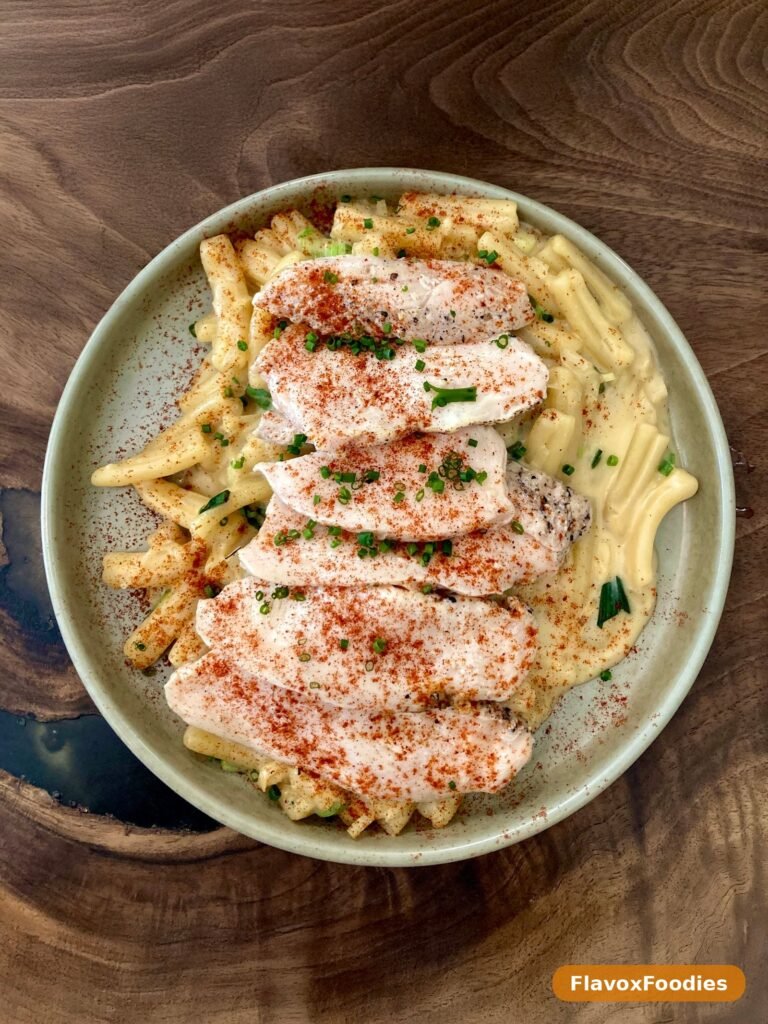
The sauce is the star here, so whatever you serve alongside it should be something that can catch it. Pasta is the most obvious choice — tagliatelle, fettuccine, or penne all work beautifully, and the wide ribbons of tagliatelle are particularly good at holding the sauce. Cook the pasta in well-salted water, drain it, and either serve the chicken and sauce over the top, or toss the pasta through the sauce in the pan. A little of the starchy pasta water stirred into the sauce will help it cling to the pasta even better.
Mashed potatoes are another wonderful partner, especially if you want pure comfort. A spoonful of buttery mash with creamy garlic chicken and spinach over the top is the kind of dinner that makes a cold evening feel warm. Steamed rice works too, and it is a good choice if you want something lighter. Crusty bread is almost essential, in my opinion — not as a formal side, but for mopping up the sauce, which is far too good to leave on the plate.
For a lighter meal, serve the chicken with a simple green salad dressed with lemon and olive oil, and a piece of bread. The salad provides a fresh, crisp contrast to the richness of the sauce, and the whole meal feels balanced rather than heavy. If you are serving this for guests, a small side of roasted vegetables — carrots, or green beans with a little garlic — looks beautiful and adds colour to the plate. And if you want to turn it into a pasta dish without the cream, this easy chicken pasta without cream is a good companion recipe to know.
Storage and Leftovers
This dish keeps well in the fridge for up to three days in an airtight container. The sauce will thicken as it cools, which is perfectly normal — when you reheat it, add a splash of cream, milk, or chicken stock and warm it gently over low heat, stirring occasionally, until the sauce loosens and becomes silky again. Avoid reheating it on high heat, because the cream can split if it gets too hot too quickly. The microwave works in a pinch, but heat in short bursts at medium power and stir between each burst.
I would not recommend freezing this dish, because cream sauces do not freeze well — they tend to separate and become grainy when thawed. If you do need to freeze it, the chicken itself freezes fine on its own, so you could freeze the cooked chicken separately and make a fresh sauce when you are ready to eat it. But honestly, this is a dish that is best eaten fresh, and the leftovers are so good the next day that freezing is rarely necessary.
Leftover chicken from this recipe is delicious sliced over a salad, or tucked into a sandwich with a little of the sauce. If you have a small amount left, shred it and stir it into a quick pasta dish with some extra cream and stock — it makes a fast lunch that tastes like you cooked it from scratch. For more ideas on making the most of leftover chicken, this guide to leftover chicken breast dinner ideas is full of practical suggestions.
Frequently Asked Questions
Can I use frozen spinach instead of fresh?
Yes, you can. Thaw the frozen spinach completely and squeeze out as much water as possible — really squeeze it, in a clean tea towel or with your hands, because any water left in the spinach will thin the sauce. You will need about 150g of frozen spinach to replace the fresh, and you should add it at the same point in the recipe, stirring it through the sauce until it is heated through. The flavour is very similar, though the texture is a little softer than fresh spinach. It is a perfectly good swap, and it means you can make this recipe any time, even when you do not have fresh spinach in the fridge.
How do I stop the cream sauce from splitting?
Keep the heat gentle. The sauce should simmer, not boil, and you should never let it bubble hard once the cream is in. Add the Parmesan gradually and off the boil if possible, and add the lemon juice at the very end, after the sauce has thickened. If the sauce does split, take the pan off the heat and whisk in a splash of cold cream — this will often bring it back together. Using double cream rather than single cream also helps a lot, because it is much more stable. Serious Eats has a helpful explanation of how pan sauces work and why temperature matters: https://www.seriouseats.com/how-to-make-pan-sauce
Can I make this with chicken thighs?
Yes, boneless skinless thighs work beautifully here, and they are actually more forgiving than breasts because they stay juicy even if they cook a little longer. Cook them for roughly the same time, perhaps a minute longer per side, until they reach 74°C (165°F) internally. The sauce works exactly the same way. Thighs have a slightly richer flavour, which some people prefer in a creamy sauce, so if you are a thigh person, go for it. The USDA poultry safety page has clear guidance on safe internal temperatures for all cuts of chicken: https://www.fsis.usda.gov/food-safety/safe-food-handling-and-preparation/poultry
What can I serve with creamy garlic chicken?
Pasta is the classic choice — tagliatelle, fettuccine, or penne — but mashed potatoes, steamed rice, and crusty bread are all excellent too. For a lighter meal, serve it with a green salad and bread, and let the sauce be the star. If you are planning a quick weeknight dinner around pantry ingredients, this collection of quick pantry meals with chicken has more ideas for building a complete meal without a special shopping trip.
Can I make this ahead of time?
You can cook the chicken and make the sauce a few hours ahead, then reheat them gently together just before serving. Store the chicken and sauce separately in the fridge if you can, and add the spinach fresh when you reheat, so it stays bright green and does not overcook. Reheat over low heat with a splash of cream or stock to loosen the sauce. It is not quite as perfect as freshly made, but it is very close, and it is a useful option if you are cooking for guests and want to get ahead.